

Reported by: Ijeoma G | Edited by: Oravbiere Osayomore Promise.
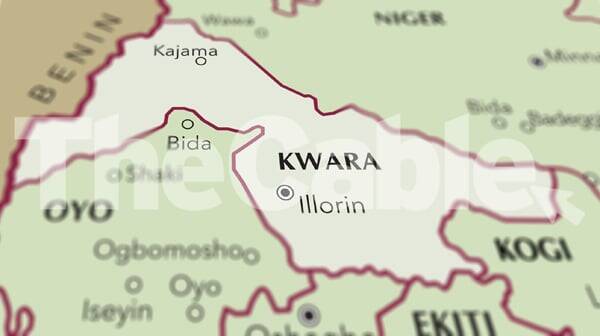
A brutal insurgent assault on the Woro and Nuku communities in Kaiama Local Government Area of Kwara State, Nigeria, has emerged as one of the most devastating attacks in the country’s recent history, leaving more than 200 people dead, scores injured, and dozens kidnapped in a wave of violence that has intensified fears of militant expansion beyond traditional conflict zones. The massacre, which unfolded in early February, has triggered nationwide condemnation, military deployments, and a growing humanitarian crisis as survivors and displaced residents strive to recover from the carnage.
The attack began on the evening of February 3, 2026, when hundreds of armed extremists stormed Woro and the neighbouring village of Nuku shortly before dusk. Villagers say the assailants, riding motorcycles and armed with rifles and explosives, surrounded the communities and blocked escape routes. Residents who had lived peacefully for generations were reportedly confronted with a chilling ultimatum from the militants: abandon their allegiance to the Nigerian state and accept the insurgents’ strict interpretation of Sharia law. When the villagers refused, gunmen opened fire, conducting organised executions, burning buildings, and dragging families into a night-long massacre that lasted well past midnight.
Eyewitness accounts and humanitarian reports detail harrowing scenes of indiscriminate killings. Some villagers were reportedly bound and shot at close range, while many homes, shops, and even the palace of Woro’s traditional ruler were set ablaze. Hundreds of residents fled into surrounding bushland to escape, and many who remained were killed or abducted. At least 38 people were taken captive, including women and children, with some reports indicating the number could be significantly higher. More than 50 people were seriously injured and hospitalised, and the terror forced a mass exodus of families into neighbouring communities, and even across borders into Benin.
The scale of the slaughter stunned security analysts and residents alike. Initial casualty figures varied widely, with some reports indicating at least 162 deaths, while United Nations and humanitarian agencies estimate over 200 people were killed, marking this incident as one of the deadliest attacks Nigeria has witnessed outside its northeast insurgency strongholds.
Responsibility for the massacre remains contested but is broadly attributed to extremist Islamist militant groups operating in northern and central Nigeria. President Bola Tinubu publicly blamed Boko Haram in statements following the attack, describing it as a ruthless effort to coerce villagers into accepting an extremist ideology. Local lawmaker Mohammed Omar Bio and other sources have suggested involvement by the Islamic State–linked Lakurawa faction, although no insurgent group has officially claimed responsibility. Security experts believe the attack may involve cells of Boko Haram or allied factions using the crisis to push further south from their traditional bases in the northeast and border regions.
The massacre in Woro and Nuku did not occur in isolation. Kwara State, long regarded as relatively calm compared with conflict-ridden areas farther north, has seen an unsettling rise in violence over the past year. Insurgent groups and armed bandits have increasingly targeted rural communities, exploiting weak security infrastructure and remote geography. Prior warnings of militant presence and messaging campaigns by the attackers were reportedly ignored or inadequately addressed, leaving communities vulnerable. Analysts later noted that militants had sent letters and pamphlets to Woro months before the attack, urging villagers to embrace their extremist mandate — warnings that went unheeded and ultimately foreshadowed the horrific violence that followed.
In the immediate aftermath, federal and state authorities were slow to secure the affected region due to its remote location and the scale of destruction. The Nigerian military and police were eventually mobilised, locating survivors, conducting search-and-rescue operations, and securing the perimeter to allow humanitarian access. President Tinubu ordered the deployment of an army battalion to Kaiama LGA to bolster security, underscoring the seriousness of the threat and the government’s pledge to protect vulnerable communities.
The humanitarian consequences have been staggering. An estimated 17,000 people were affected, with many losing their homes or fleeing to safer areas. Humanitarian agencies reported that 176 women and children were kidnapped, and at least 5,043 children under five were among the larger affected population. Immediate relief efforts have included emergency medical services, nutrition support, and distributions of dignity and maternity kits, although delivering aid has been hampered by ongoing concerns about security and safe access corridors.
The assault has sparked profound grief and anger across Nigeria. Community leaders and civil society organisations condemned the brutality and questioned how militants were able to operate with such impunity. Mass burials took place in Woro as residents struggled to cope with the scale of loss, and public mourning rituals drew attention to the human toll of extremist violence on families and entire villages.
Political leaders, including the governor of Kwara State, labelled the massacre a “cowardly and deliberate act of terror.” They emphasised that the violence was driven by ideological extremism rather than conventional banditry and criticised perceived gaps in security coordination that may have contributed to the vulnerability of remote communities. International actors, including the United States and other governments, also condemned the attack, reaffirming support for Nigeria’s counter-terrorism efforts and offering condolences to the victims’ families.
The attack in Woro and Nuku has renewed debate about Nigeria’s broader security challenges. The nation has battled violent extremism for more than a decade, particularly in its northeast, where Boko Haram and the Islamic State West Africa Province have perpetrated widespread violence, kidnappings, and forced displacements. The Kwara massacre underscores concerns that these militant movements may be expanding their influence into previously less affected regions, complicating efforts to contain the insurgency and protect rural communities.
Looking ahead, the government faces mounting pressure to strengthen security frameworks, improve early warning systems, and expand community protection measures. The scale and brutality of the attack have highlighted critical vulnerabilities in rural defence and raised urgent questions about how best to safeguard Nigeria’s diverse and dispersed populations against evolving militant threats. As investigations continue and security forces pursue leads to locate the kidnapped and apprehend those responsible, the wounds inflicted on Kwara’s communities will take years to heal — a stark reminder of the persistent human cost of conflict in parts of Nigeria.
📩 Stone Reporters News | 🌍 stonereportersnews.com
✉️ info@stonereportersnews.com | 📘 Facebook: Stone Reporters | 🐦 X (Twitter): @StoneReportNew | 📸 Instagram: @stonereportersnews
Add comment
Comments