

Reported by: Oahimire Omone Precious | Edited by: Oravbiere Osayomore Promise.
Nigeria’s agriculture sector, long recognised as a cornerstone of economic growth, employment, and food security, is being treated more as a budgetary cost than a strategic investment, according to Azubike Nwokoye, a Food Systems Specialist with ActionAid Nigeria. Speaking at the 47th National Council on Agriculture and Food Security (NCAFS) in Kaduna, Nwokoye emphasised the urgent need to reframe agricultural spending as a long-term investment capable of driving economic transformation, reducing food insecurity, and generating employment.
Nwokoye explained that many state and federal governments allocate limited resources to agriculture, with a significant proportion absorbed by recurrent costs such as salaries and administrative overheads. This leaves little for capital investments in critical areas like irrigation, storage, processing facilities, rural infrastructure, mechanisation, access to credit, and market linkages. By treating agriculture primarily as an expenditure, the sector’s potential for growth and productivity is largely untapped.
ActionAid’s analysis presented at the council revealed that strategic investments in agriculture could yield substantial economic returns. For instance, if states committed targeted funding toward agricultural value-chain development, the potential value generated could far exceed the initial investment, demonstrating the sector’s capacity to multiply income, boost state revenues, and stimulate rural economies.
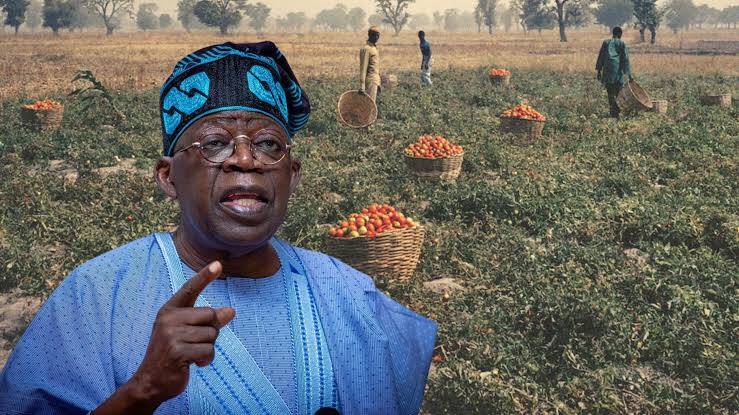
A key issue highlighted was post-harvest losses, which account for an estimated 40 to 50 percent of agricultural output annually. These losses, caused by inadequate storage, handling, and inefficient transportation systems, cost Nigeria trillions of naira each year and limit food availability, farmer income, and national economic gains. Nwokoye argued that addressing post-harvest losses should be a central focus of investment strategies, including the development of storage hubs, processing facilities, and improved rural road networks.
Budgetary allocations for agriculture remain below continental commitments such as the Maputo Declaration and the Comprehensive Africa Agriculture Development Programme (CAADP), which recommend that at least 10 percent of national budgets be dedicated to agricultural development. In practice, Nigeria often allocates less than two percent of its budget to agriculture, and much of that goes toward sustaining existing administrative functions rather than funding transformative projects.
Nwokoye also called for inclusive policies that empower women and youth in agriculture, noting that women constitute a significant portion of the agricultural workforce but often lack access to land, credit, technology, and decision-making roles. Engaging youth through agritech, value-added production, and entrepreneurship could generate substantial employment opportunities and innovations, provided proper investment frameworks and support mechanisms are implemented.
Recent government interventions, such as rural infrastructure development, insurance schemes, and mechanisation programs, have supported farmers to some extent. However, Nwokoye stressed that without a fundamental shift toward investment-oriented budgeting, these initiatives remain incremental and insufficient to fully unlock the sector’s potential.
The expert emphasised that policymakers must recognise agriculture as a strategic investment that can create multiplier effects across the economy, rather than a line item in a budget. This approach requires increased capital allocation, effective targeting of funds toward value-chain development, and consistent monitoring to ensure that investments deliver tangible results in productivity, income generation, and food security.
Nigeria’s rich agricultural resources, including fertile soils, diverse agro-ecologies, and millions of potential agripreneurs, remain underutilised due to underinvestment and inadequate policy focus. Reframing agriculture as an investment sector could unlock sustained economic growth, improve rural livelihoods, and enhance national food security.
📩 Stone Reporters News | 🌍 stonereportersnews.com
✉️ info@stonereportersnews.com | 📘 Facebook: Stone Reporters | 🐦 X (Twitter): @StoneReportNew | 📸 Instagram: @stonereportersnews
Add comment
Comments