

Reported by: Oahimire Omone Precious | Edited by: Oravbiere Osayomore Promise.
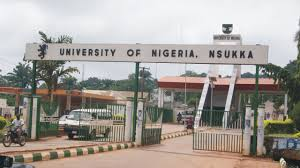
Postgraduate students of the University of Nigeria, Nsukka, in Enugu took to the streets in a determined protest over the deteriorating state of infrastructure and the absence of essential services on campus. The demonstration, which drew scores of students, highlighted growing frustration over long‑standing challenges that have hampered academic life and welfare at one of Nigeria’s foremost universities.
The students marched through key arteries of the Nsukka campus, chanting slogans and carrying placards that decried the lack of reliable electricity, potable water, and other basic amenities vital for scholarly work and everyday living. Many described the situation as untenable, saying that years of neglect have left postgraduate halls, lecture theatres, laboratories, and study spaces in a deplorable condition.
Speaking on behalf of the protesters, a representative of the postgraduate community lamented that inconsistent power supply has severely disrupted research work, extended fieldwork timelines, and complicated data analysis processes that depend on electricity. “We struggle with frequent power outages that stretch for days,” the student said. “It makes writing theses, running experiments, and even storing research data extremely difficult. Our intellectual work suffers because the basic facilities we need are just not there.”
In addition to electricity woes, the demonstrators drew attention to the acute scarcity of clean water within student hostels and academic precincts. Students said they rely heavily on privately sourced water — often at significant personal expense — because the university’s water systems have been in a state of disrepair for extended periods. They also pointed to poor sanitation in several parts of the campus as an escalating health concern.
The protesters called on the Vice‑Chancellor to urgently engage with student leaders and allocate resources to repair and upgrade campus utilities. They demanded a transparent timetable for infrastructure improvements and urged the university administration to collaborate with stakeholders — including alumni, government agencies, and private partners — to fast‑track solutions.
Some postgraduate students noted that research — a central component of their academic programmes — has been compromised by unreliable services. Laboratory equipment left idle, digital backups hampered by intermittent electricity, and a lack of quiet study spaces were among the grievances cited. For many, the protest was not only about immediate needs but also about preserving the quality and reputation of the University of Nigeria as a centre of academic excellence.
Reactions among undergraduates and other members of the university community were mixed but largely sympathetic to the postgraduate outcry. While some expressed concern about disruptions linked to the protest, many echoed the sentiment that systemic infrastructural decay has long afflicted the campus. Others called for broader reforms to ensure that student welfare is prioritised alongside academic programming.
The University of Nigeria has in recent years faced criticism from various quarters over crumbling facilities and insufficient investment in infrastructure. Alumni groups and academic staff associations have at times issued communiques urging the institution’s governing council and key leaders to address maintenance backlogs and modernise utilities to keep pace with evolving academic requirements.
Students’ protests across universities in Nigeria have often become catalysts for administrative action, with authorities moving to engage demonstrators and negotiate solutions. In this context, the postgraduate students’ march at Nsukka adds to a growing national discourse on the state of tertiary education and the imperative of improving learning environments.
Observers say that the urgency expressed by the protesters reflects deeper anxieties about academic productivity, quality of life on campus, and the broader educational ecosystem in the country. They note that while universities cultivate intellectual capacity, persistent infrastructure deficits risk undermining that mission and diminishing students’ competitiveness on both local and global stages.
At the time of reporting, the university’s administration had not issued a detailed response to the protest, though statements from officials are expected in the coming days. Student leaders have indicated they will pursue further engagement with the Vice‑Chancellor’s office to ensure their concerns are formally addressed.
The demonstration underscores the critical role of student voices in shaping institutional priorities and highlights the pressing need for sustained investment in essential infrastructure at Nigeria’s universities.
📩 Stone Reporters News | 🌍 stonereportersnews.com
✉️ info@stonereportersnews.com | 📘 Facebook: Stone Reporters | 🐦 X (Twitter): @StoneReportNew | 📸 Instagram: @stonereportersnews
Add comment
Comments