

Reported by: Ijeoma G | Edited by: Oravbiere Osayomore Promise.
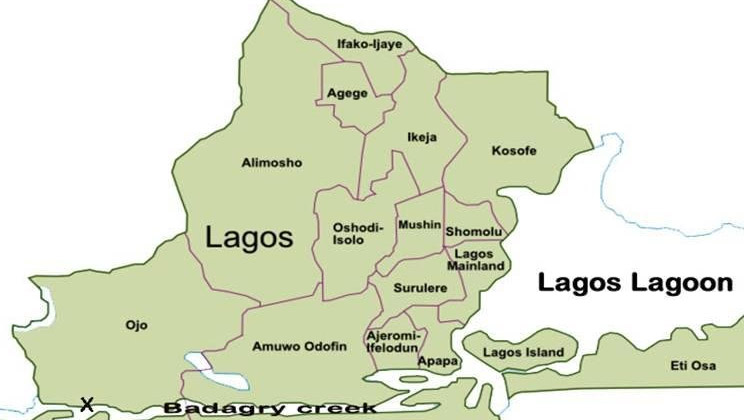
LAGOS, Nigeria — Heavy rainfall has triggered severe flooding in parts of Ijora Badia in Apapa Local Government Area of Lagos State, disrupting academic activities at a public primary school and forcing some pupils to remain at home after floodwaters submerged classrooms and surrounding areas. The situation has been linked by residents to a blocked canal reportedly caused by an ongoing construction and sand-filling project in the community.
Residents say the flooding began to worsen after construction activities by a private company allegedly obstructed a natural drainage channel that previously helped regulate water flow in the low-lying swampy area. The disruption has left parts of Ajeromi Nursery and Primary School inundated, making access difficult for both pupils and teachers, and raising concerns about the safety of children attempting to attend classes through flooded pathways.
During a visit to the affected community, floodwaters were observed covering sections of the school premises and nearby residential areas, with movement described as increasingly difficult. Some pupils who still attempted to attend school were seen wading through waterlogged grounds before reaching their classrooms, while others were reportedly kept at home by parents due to safety concerns.
Parents in the area expressed frustration over the situation, saying their children’s education has been significantly affected. One resident, who identified herself as a mother of school-aged children, said the flooding had made regular attendance nearly impossible and called for urgent government intervention to address the drainage challenge. Another parent noted that the disruption had persisted for several days, forcing families to reconsider schooling arrangements, although many said they could not afford to relocate their children to more distant schools.
Community members also reported that the flooding has not been limited to the school alone, with several homes across Badia East and West affected by rising water levels. According to local accounts, sand-filling activities linked to the construction project are believed to have redirected water flow into residential areas, overwhelming existing drainage infrastructure that was already under strain due to seasonal rainfall.
Residents further alleged that the construction project was carried out without adequate drainage planning or protective measures, a situation they say has contributed to worsening environmental conditions in the densely populated settlement. They warned that if urgent corrective action is not taken, the situation could escalate during peak rainy periods, potentially displacing more households and further disrupting essential services, including education and transportation.
Community leaders have raised concerns that the flooding crisis has been developing over several months, with reports indicating that the situation began to deteriorate significantly around the latter part of 2025. Since then, residents say water levels have continued to rise during rainfall, gradually encroaching on homes and public facilities, including the primary school now partially submerged.
A local community development representative stated that a significant number of houses have already been affected, with families forced to adapt to worsening living conditions or consider relocation. He added that the environmental pressure on the area has intensified due to ongoing land reclamation and construction activities, which he believes have altered the natural drainage pattern of the swampy terrain.
The issue has also raised broader concerns about urban planning and environmental management in Lagos State, where rapid development and land reclamation projects have frequently been associated with drainage challenges in low-lying communities. Environmental observers note that areas such as Ijora Badia are particularly vulnerable due to their swampy geography and high population density, making them highly dependent on properly functioning drainage systems to prevent flooding.
Education stakeholders have expressed concern over the impact of the flooding on school attendance and learning outcomes, particularly for younger pupils who are unable to safely navigate flooded routes to school. Some parents have already withdrawn their children from the affected school due to persistent waterlogging, though many families say they have limited alternatives due to financial constraints and proximity considerations.
The situation has also prompted calls for government intervention from community members, who are urging relevant authorities to inspect the construction site, assess the impact of sand-filling activities, and restore proper drainage channels to reduce flooding risks. Residents insist that without immediate action, the continued inundation could lead to further displacement, damage to infrastructure, and prolonged disruption of schooling for children in the area.
Officials from the state environmental authorities have acknowledged awareness of the concerns raised by residents, stating that the matter would be escalated to the appropriate department for assessment and response. However, as of the time of reporting, no formal remediation plan or timeline had been publicly announced.
Meanwhile, families in the affected community continue to grapple with the immediate consequences of the flooding, as children remain out of school and households struggle with water intrusion. Community leaders have reiterated their appeal for urgent intervention, emphasizing the need for sustainable drainage solutions and stricter oversight of construction activities in flood-prone areas to prevent further humanitarian and infrastructural impact in the densely populated Lagos community.
📩 Stone Reporters News | 🌍 stonereportersnews.com
✉️ info@stonereportersnews.com | 📘 Facebook: Stone Reporters News | 🐦 X (Twitter): @StoneReportNew | 📸 Instagram: @stonereportersnews
Add comment
Comments