

Reported by: Ijeoma G | Edited by: Oravbiere Osayomore Promise.
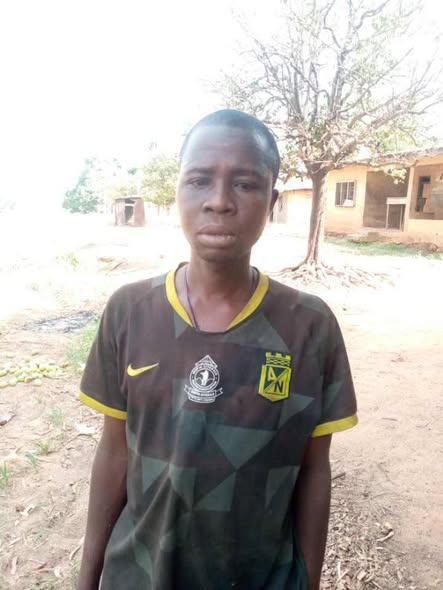
Troops of the Nigerian Army’s 12 Brigade, Lokoja, have rescued a kidnapped victim identified as Tosin during a coordinated operation in Okunran, Yagba West Local Government Area of Kogi State, in what authorities describe as a swift intervention following intelligence on the victim’s movement by abductors.
According to initial security sources, the victim was abducted in Idofian, a community in Kwara State, before being moved across state lines by suspected armed kidnappers. The rescue operation reportedly took place on April 14, 2026, when troops tracked the suspects’ movements and engaged in a follow-up mission that led to the victim’s release in Okunran.
Although full details of the operation remain limited, preliminary accounts suggest that the army acted on actionable intelligence that indicated the presence of the abductors within the Yagba West axis. Military personnel were said to have mobilized quickly, leading to a confrontation that forced the kidnappers to abandon the victim and flee into nearby terrain.
As of the time of filing this report, the condition of Tosin has not been fully disclosed by authorities, though security sources indicate that the victim has been taken into safe custody for medical evaluation and debriefing. Officials have also not confirmed whether any arrests were made during the operation or whether weapons were recovered from the scene.
The Nigerian Army has not yet released a formal statement detailing the circumstances surrounding the rescue, a situation that has become common in fast-moving security operations where field units often provide preliminary updates before official communications are issued through headquarters channels.
The incident underscores ongoing security challenges in the North-Central region of Nigeria, where cases of kidnapping for ransom have persisted across rural communities and major road corridors. Kogi State, in particular, occupies a strategic location connecting the northern and southern parts of the country, making it a frequent transit route for criminal groups operating across state boundaries.
Yagba West Local Government Area has, in recent years, experienced intermittent security concerns linked to bandit activity, including kidnappings targeting travelers, farmers, and rural dwellers. Security analysts note that the area’s proximity to forested regions and interstate routes has made it vulnerable to criminal infiltration and movement.
The rescue of Tosin adds to a series of military-led interventions aimed at disrupting kidnapping networks operating across Kwara, Kogi, Niger, and parts of Ekiti States. In several cases, victims have been rescued following intelligence-led operations that rely on tracking, surveillance, and collaboration with local informants.
Security experts say that such operations, while often successful in recovering abducted individuals, also highlight the evolving tactics of armed groups who increasingly exploit rural terrain and inter-state boundaries to evade capture. The ability of troops to respond quickly is considered a key factor in reducing the likelihood of ransom payments and prolonged captivity.
Community reactions in the affected areas have been mixed, with relief expressed over the safe return of the victim, alongside renewed calls for stronger security presence in vulnerable communities. Residents continue to urge authorities to increase patrols and establish rapid response mechanisms to prevent future incidents.
The broader context of kidnapping in Nigeria reflects a persistent national security concern, with rural communities bearing the brunt of attacks in recent years. Security agencies have repeatedly emphasized the importance of intelligence sharing, community cooperation, and coordinated military-police operations in addressing the threat.
While the rescue operation in Okunran is being viewed as a positive outcome, analysts caution that sustained efforts are required to dismantle the networks responsible for such abductions. They note that successful rescues, while important, must be accompanied by preventive measures that address the root causes and operational structures of kidnapping gangs.
Authorities are expected to release further details as investigations continue into the circumstances surrounding Tosin’s abduction and the movement of the suspects across state lines. For now, the focus remains on ensuring the victim’s full recovery and supporting ongoing security operations in the region.
The Nigerian Army has maintained that it remains committed to protecting civilians and responding to security threats across the country, particularly in areas identified as high-risk zones for kidnapping and related crimes.
As operations continue in Kogi and surrounding states, residents are being advised to remain vigilant and report suspicious activities to security agencies, as efforts intensify to curb the rising trend of abductions in the region.
Security observers say the operation reflects ongoing efforts across Nigeria’s North-Central region to respond to kidnappings that often rely on forest routes and inter-state boundaries. The 12 Brigade in Lokoja plays a key role in coordinating responses within Kogi State and supporting nearby jurisdictions when intelligence indicates movement of abductors across state lines.
Communities along the Kwara-Kogi axis have continued to report incidents involving kidnappings of travellers and rural farmers, driven in part by the area’s difficult terrain and limited security presence in remote locations. These conditions allow armed groups to move victims quickly between settlements and forest hideouts.
Analysts note that such groups often exploit knowledge of rural pathways linking multiple states, making coordinated patrols and intelligence sharing essential to disrupting their activities. Military responses in recent times have increasingly focused on rapid deployment and collaboration with local informants and vigilante networks to track suspect movements.
Residents in affected areas have raised concerns about the social and economic effects of repeated abductions, including reduced farming activity and heightened fear among rural populations. Many communities report limiting movement after dark and avoiding isolated roads due to security risks.
Security experts emphasize that while rescues such as this provide immediate relief, sustained progress depends on dismantling the networks and financial incentives behind kidnapping operations. They also highlight the importance of prosecution of suspects and improved intelligence-led policing to reduce recurrence.
The latest rescue adds to a series of similar operations in the region, underscoring the continued pressure on armed groups from military forces. However, authorities caution that isolated successes must be part of a broader, sustained strategy to ensure long-term stability and improved security across vulnerable areas.
Add comment
Comments