

By L. Imafidon
South Africa occupies a powerful place in African memory. It is remembered as the nation whose people endured one of the world’s harshest systems of racial oppression and whose eventual liberation became a continental victory. The fall of apartheid in 1994 was not only a South African achievement; it was celebrated across Africa as proof that injustice, however entrenched, could be defeated.
Yet decades after that victory, a contradiction continues to trouble many Africans: the repeated xenophobic attacks against fellow Africans living and working in South Africa. To many observers across the continent, this contradiction can be summarized in one phrase: friend in war, enemies in peace.
Before democracy, Black South Africans faced a system built on white minority domination. Land was taken, movement was restricted, voting rights were denied, jobs were racially reserved, and resistance was often met with imprisonment or violence. Apartheid was not an ordinary political dispute. It was a legal structure of exclusion backed by state force.
During that struggle, South Africa did not stand alone. African countries made sacrifices to support liberation movements. Zambia hosted exiled leaders. Tanzania opened training and diplomatic space. Angola and Mozambique became strategic fronts. Zimbabwe joined regional resistance efforts after independence. Botswana, Lesotho and Eswatini provided routes, shelter, and support despite economic vulnerability.
Nigeria played one of the strongest roles. It funded anti-apartheid causes, backed sanctions, granted scholarships, and used diplomatic pressure in support of majority rule. Across the continent, many ordinary Africans saw the South African struggle as their own struggle.
That history matters because it demonstrates that African solidarity was not symbolic. It involved money, security risks, diplomatic cost, and long-term commitment. Many states that were themselves poor still contributed to the freedom of Black South Africans.
After 1994, expectations were high. A democratic South Africa was expected to become a moral leader of Africa—an example of reconciliation, dignity, and continental unity. In many respects, South Africa did become a major political and economic force. But another reality also emerged: repeated attacks on migrants from other African countries.
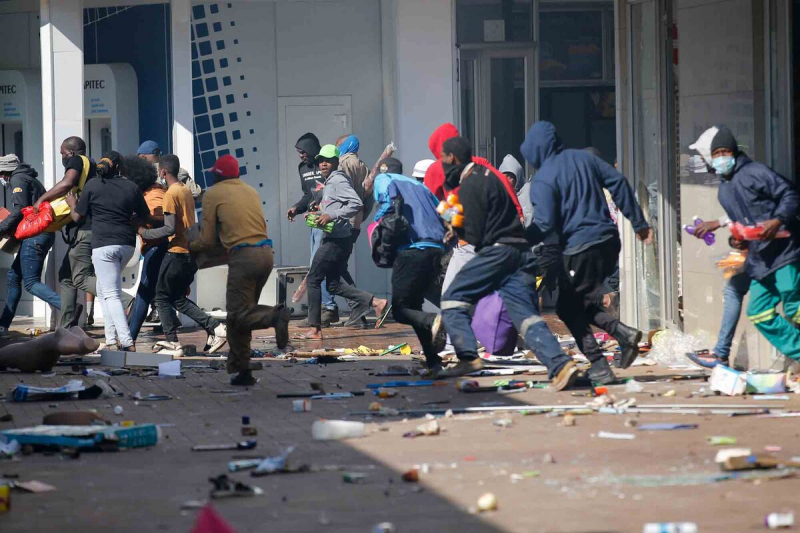
Over the years, Nigerians, Zimbabweans, Mozambicans, Somalis, Ethiopians, Ghanaians, Congolese and others have faced harassment, looting, beatings, displacement and, in some cases, death during xenophobic unrest. Businesses owned by African migrants have been burned or destroyed. Public rhetoric blaming foreigners for crime, unemployment, drugs, and pressure on services has intensified during periods of economic stress.
These events have deeply damaged South Africa’s standing across the continent.
The central criticism is not simply that crime occurred. Every country faces crime. The criticism is that people from countries that once supported South Africa’s liberation are now frequently treated as unwelcome intruders. Many Africans therefore ask a difficult question: how did a nation helped by Africa become hostile to Africans?
Supporters of South Africa often note that not all South Africans support xenophobia. That is true. Many citizens, churches, activists, unions, academics, and public officials have condemned such attacks. Many South Africans continue to defend migrant rights and reject mob violence. That distinction is important.
However, repeated incidents over many years have created a continental perception problem. When violence becomes cyclical, and when anti-foreigner rhetoric gains visibility, other Africans do not judge only individual attackers—they judge the broader national atmosphere.
Another irony is often overlooked. Much hostility is directed at fellow Black Africans, while many white South Africans—whose communities benefited historically from the old system and who still remain part of the country’s social and economic structure—continue to live in South Africa as citizens. This is not an argument against any citizen’s right to remain. It is a reminder of historical perspective.
South Africa’s deepest unresolved problems—inequality, unemployment, land imbalance, poverty, service delivery failures, crime, and elite corruption—were not created by Nigerian traders, Zimbabwean workers, Ghanaian artisans, or Somali shopkeepers. Redirecting anger toward migrants risks targeting symptoms while leaving structural causes untouched.
That is why some Africans now describe the situation as hypocrisy. In the years of struggle, Africa stood with Black South Africans against exclusion. In the years of peace, some Black South Africans have excluded fellow Africans.
The diplomatic damage is real. Public anger against South Africa now circulates heavily on social media across many countries. Boycott calls, hostile commentary, and deep resentment appear whenever new attacks occur. Trust has weakened.
Whether that online hostility becomes wider real-world tension depends on future choices. If xenophobic violence continues, political and social consequences could grow. If it ends and genuine continental reconciliation is pursued, relations can recover.
South Africa remains too important to Africa to be reduced to this contradiction. It has the institutions, history, and moral legacy to choose a better path.
But memory cannot be selective. South Africans should not forget that when they were under siege, Africa stood beside them. They should not forget that those now called foreigners were once allies in a common struggle. And they should not forget that peace built on forgetting solidarity can quickly become isolation.
📩 Stone Reporters News | 🌍 stonereportersnews.com
✉️ info@stonereportersnews.com | 📘 Facebook: Stone Reporters News | 🐦 X (Twitter): @StoneReportNew | 📸 Instagram: @stonereportersnews
Add comment
Comments