

Reported by: Ijeoma G | Edited by: Oravbiere Osayomore Promise.
A Nigerian man, Patrick Nwaokwu, has been sentenced to 21 months in a United States federal prison after authorities uncovered his role in a widespread scheme involving the sale of fraudulent nursing certificates, a case that has raised serious concerns about patient safety and the integrity of healthcare systems.
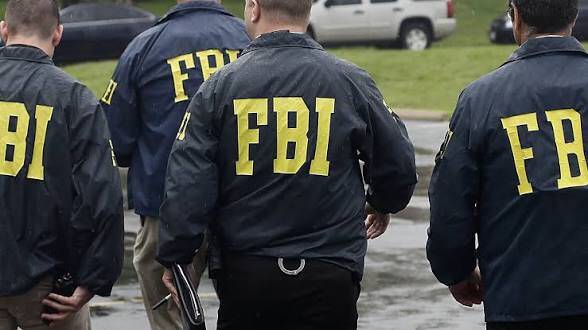
Nwaokwu, 55, based in Laurel, Maryland, was sentenced after pleading guilty to wire fraud. In addition to his prison term, the court ordered that he serve two years of supervised release upon completion of his sentence. The conviction follows a detailed investigation conducted by U.S. federal agencies, including the Federal Bureau of Investigation and the Department of Health and Human Services Office of Inspector General.
According to prosecutors, Nwaokwu played a central role in a network that produced and distributed fake nursing diplomas and academic transcripts to individuals seeking to enter the healthcare profession without completing the required training. The fraudulent documents enabled buyers to apply for professional licenses and, in some cases, secure employment as nurses in healthcare facilities across the United States.
The scheme, which operated between 2018 and 2021, involved multiple collaborators and extended across several states. Investigators revealed that the operation exploited institutions that had either lost accreditation or were being misused to generate illegitimate credentials. By presenting these documents as authentic, the conspirators created a pathway for unqualified individuals to bypass regulatory requirements.
One of the key tactics used in the scheme involved backdating certificates to make it appear as though recipients had graduated before certain institutions lost their licenses. This allowed the documents to pass initial scrutiny by licensing authorities, who relied on the information provided to process applications.
Nwaokwu and his associates also worked with individuals linked to a Florida-based nursing school to distribute fake Registered Nurse and Licensed Practical Nurse certificates. The operation targeted individuals eager to enter the healthcare field quickly, offering them a shortcut that bypassed the rigorous academic and clinical training typically required.
Court records show that the conspirators charged substantial sums for these documents. Fake Registered Nurse certificates were sold for as much as 17,000 dollars, while Licensed Practical Nurse credentials ranged between 6,000 and 10,000 dollars. In addition to providing the documents, the group coached buyers on how to navigate the licensing process, including how to complete examination applications in ways that would align with the fabricated records.
Participants in the scheme were instructed to list specific institutions on their applications for the National Council Licensure Examination, a key requirement for practicing nurses in the United States, while leaving out certain details that could later be manipulated. This deliberate strategy allowed many applicants to evade detection during the initial stages of credential verification.
Authorities estimate that the scheme generated more than 1.5 million dollars in illegal proceeds. However, beyond the financial aspect, prosecutors emphasized the potential danger posed by the operation, noting that unqualified individuals may have provided medical care to unsuspecting patients.
Officials described the actions of those involved as reckless, highlighting the risks associated with allowing individuals without proper training to work in sensitive healthcare roles. The case has intensified concerns about the effectiveness of existing systems used to verify professional credentials, particularly in high-demand sectors like nursing.
The investigation also led to the prosecution of other individuals connected to the scheme. One co-conspirator was previously sentenced to 13 months in prison, while additional cases linked to the broader network have been pursued as authorities continue to dismantle similar operations.
Legal experts note that Nwaokwu’s sentence reflects a combination of factors, including his guilty plea and cooperation with investigators. While the sentence may appear relatively short compared to the scale of the fraud, it still represents a significant penalty and serves as a warning to others involved in similar activities.
The case forms part of a wider effort by U.S. authorities to clamp down on fraudulent educational and licensing schemes, particularly those that affect critical public services. In recent years, increased demand for healthcare workers has exposed vulnerabilities that criminal networks have sought to exploit.
Regulators are now under pressure to strengthen verification processes, with calls for improved oversight of educational institutions and the adoption of more robust systems for authenticating credentials. Some experts have suggested the use of centralized digital databases and stricter cross-checking mechanisms to prevent similar incidents in the future.
For Nigeria, the case has drawn attention to the activities of a small number of individuals whose actions abroad can have wider reputational implications. While the vast majority of Nigerian professionals in the diaspora are law-abiding, high-profile cases such as this often attract significant public scrutiny.
As Nwaokwu begins his prison term, the case stands as a reminder of the serious consequences of fraud, particularly when it intersects with public health and safety. It also underscores the need for continued vigilance and reform within systems responsible for certifying and regulating professionals in essential sectors.
📩 Stone Reporters News | 🌍 stonereportersnews.com
✉️ info@stonereportersnews.com | 📘 Facebook: Stone Reporters News | 🐦 X (Twitter): @StoneReportNew | 📸 Instagram: @stonereportersnews
Add comment
Comments