

Reported by: Ijeoma G | Edited by: Oravbiere Osayomore Promise.
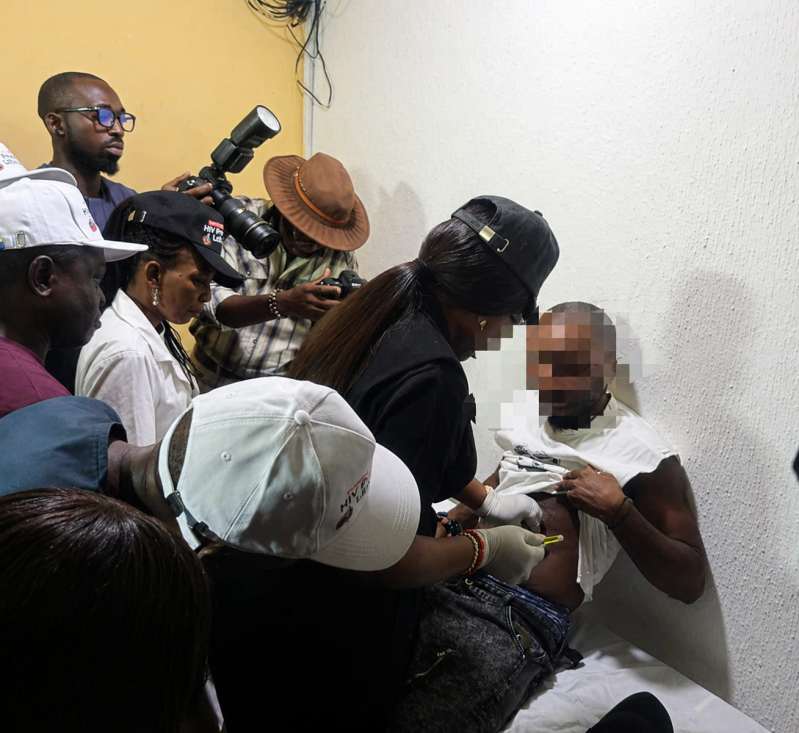
Nigeria’s Federal Capital Territory has taken a major step in expanding HIV prevention efforts with the arrival and rollout of more than 4,000 vials of a new long-acting injectable drug designed to prevent infection, offering residents free access as part of a broader national health intervention.
The development forms part of the introduction of Lenacapavir, a groundbreaking pre-exposure prophylaxis injection that is administered once every six months, marking a significant shift from traditional daily oral HIV prevention medication. Health authorities say the new approach is expected to improve adherence, reduce stigma, and expand access to prevention services, particularly among high-risk populations.
The Federal Capital Territory Administration confirmed that the doses have been received and are being deployed across designated public health facilities in Abuja. The intervention is part of a pilot phase targeting selected states and the FCT, where health systems have been prepared to handle the rollout. The injection will be provided free of charge to eligible residents, aligning with national efforts to reduce new HIV infections and strengthen public health outcomes.
The introduction of the injectable drug follows Nigeria’s participation in a global initiative supported by international health partners, including the World Health Organization and the Global Fund. Nigeria is among a small group of early adopter countries selected to deploy the drug, reflecting both the scale of its HIV burden and its commitment to advancing innovative prevention strategies.
Health officials say the new drug represents a critical addition to Nigeria’s HIV prevention toolkit. Unlike daily oral PrEP, which requires consistent adherence, the injectable option is administered only twice a year, making it more convenient for users and potentially increasing uptake among those who struggle with daily medication routines. Clinical studies have demonstrated high levels of effectiveness in reducing the risk of HIV acquisition when used as prescribed.
The rollout in Abuja is linked to a broader national plan that has secured approximately 52,000 doses for initial deployment across eight states and the Federal Capital Territory. Authorities say the phased implementation is designed to ensure quality control, adequate training of healthcare workers, and proper monitoring of outcomes.
Officials involved in the programme have emphasized that the injection is strictly preventive and is intended for individuals who are HIV-negative but at substantial risk of infection. These include key populations such as sero-discordant couples, sex workers, and others considered vulnerable based on epidemiological data.
The Federal Ministry of Health and Social Welfare has described the initiative as part of a comprehensive strategy aimed at ending HIV/AIDS as a public health threat by 2030. The plan includes expanding prevention options, increasing testing coverage, improving treatment access, and addressing structural barriers such as stigma and discrimination.
Public health experts say the introduction of long-acting injectable prevention could significantly change the trajectory of HIV control in Nigeria. One of the major challenges with existing prevention methods has been adherence, with many individuals unable or unwilling to take daily pills consistently. The new injection offers a discreet alternative that reduces the burden of daily compliance and minimizes the risk of missed doses.
In the Federal Capital Territory, preparations for the rollout have included training healthcare providers, upgrading facilities, and conducting awareness campaigns to educate the public about the new option. Authorities have also stressed the importance of proper counseling to ensure that recipients understand that the drug does not cure HIV but rather prevents infection when used correctly.
Demand for the injectable has already begun to rise, even before full-scale deployment. Reports from health workers indicate strong interest among residents, particularly those seeking more convenient and private prevention methods. However, officials have cautioned against misconceptions, noting that some individuals mistakenly believe the injection offers complete immunity or can replace other preventive measures.
To address this, the government is integrating the injectable into a broader combination prevention strategy that includes condom use, regular testing, and existing oral PrEP options. Health authorities have reiterated that no single method is sufficient on its own and that a comprehensive approach remains essential.
Nigeria continues to face one of the largest HIV epidemics globally, with an estimated 1.9 million people living with the virus. While significant progress has been made in reducing new infections over the years, prevention remains a key challenge, particularly among young people and vulnerable groups.
The introduction of the injectable drug is expected to accelerate progress by expanding prevention coverage and offering individuals more choices tailored to their needs. It also reflects a growing emphasis on innovation in public health, as countries seek more effective ways to tackle persistent health challenges.
For residents of Abuja, the availability of over 4,000 vials represents immediate access to a potentially life-changing intervention. Health officials say the distribution will be carefully managed to ensure that those most in need are prioritized, while also maintaining transparency and accountability in the process.
As the rollout progresses, authorities will monitor uptake, effectiveness, and any potential side effects, with the goal of scaling up the programme nationwide if successful. Early indications suggest that the initiative could play a pivotal role in reducing new infections and moving Nigeria closer to its goal of ending HIV as a public health threat within the next decade.
The arrival of the injectable in the Federal Capital Territory marks not just a medical advancement but a strategic shift in how HIV prevention is approached in Nigeria, signaling a move toward more flexible, user-centered solutions in the fight against the epidemic.
📩 Stone Reporters News | 🌍 stonereportersnews.com
✉️ info@stonereportersnews.com | 📘 Facebook: Stone Reporters News | 🐦 X (Twitter): @StoneReportNew | 📸 Instagram: @stonereportersnews
Add comment
Comments