

Reported by: Ijeoma G | Edited by: Oravbiere Osayomore Promise.
Iran has formally refused Washington’s core demand to dismantle its nuclear infrastructure, rejecting a key pillar of the proposed peace deal to end the Gulf war, according to multiple reports on Sunday, May 10, 2026. Tehran’s counterproposal, delivered through Pakistani mediators, offers to transfer a portion of its highly enriched uranium stockpile to a third country, possibly Russia, but only under strict return guarantees and without any physical dismantlement of its nuclear sites at Natanz, Fordow, or Isfahan.
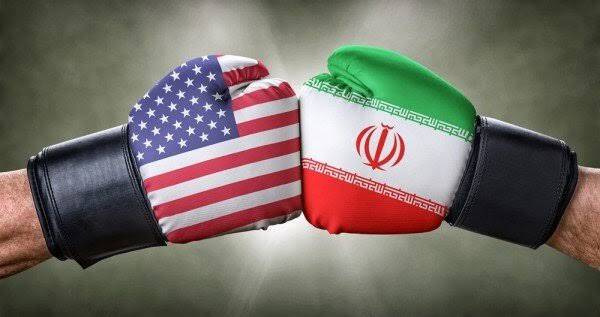
The response sets up a direct confrontation with President Donald Trump, who quickly dismissed the Iranian offer on his Truth Social platform as “TOTALLY UNACCEPTABLE.” The impasse threatens to collapse fragile diplomatic momentum aimed at ending a ten‑week war that has disrupted global oil supplies through the Strait of Hormuz.
Iranian officials, speaking through semi‑official Tasnim News Agency, denied some details of the Western media reports but reaffirmed that a complete cessation of hostilities and comprehensive sanctions relief remain the only core conditions for peace. Tehran insists that the United States must first lift all sanctions on crude oil sales, unblock Iranian overseas assets, remove its naval blockade in the Gulf of Oman, and allow Iranian management of the Strait of Hormuz before any substantive nuclear negotiations can commence.
The U.S. demands, publicly outlined by the Trump administration, include the cessation of all uranium enrichment for 20 years, the full dismantlement of major nuclear sites, and the removal of Iran’s entire enriched uranium stockpile, terms Tehran views as national capitulation.
According to a report by The Wall Street Journal citing sources familiar with the Iranian response, Tehran is willing to transfer a significant portion of its highly enriched uranium to a third country, subject to strict return guarantees if future negotiations collapse or if Washington withdraws from any eventual agreement. Iran also proposes diluting part of its stockpile domestically rather than surrendering the material outright.
The rejection has dashed hopes of a rapid conclusion to the war, which began on February 28, 2026, and has already caused hundreds of casualties and sent oil prices soaring above $120 per barrel. The Strait of Hormuz remains effectively closed, trapping over 1,500 commercial vessels and 22,500 mariners in the Persian Gulf. As the diplomatic stalemate deepens, both sides have warned that the alternative is continued bombing and blockade.
📩 Stone Reporters News | 🌍 stonereportersnews.com
✉️ info@stonereportersnews.com | 📘 Facebook: Stone Reporters News | 🐦 X (Twitter): @StoneReportNew | 📸 Instagram: @stonereportersnews
Add comment
Comments