

Reported by: Ijeoma G | Edited by: Oravbiere Osayomore Promise.
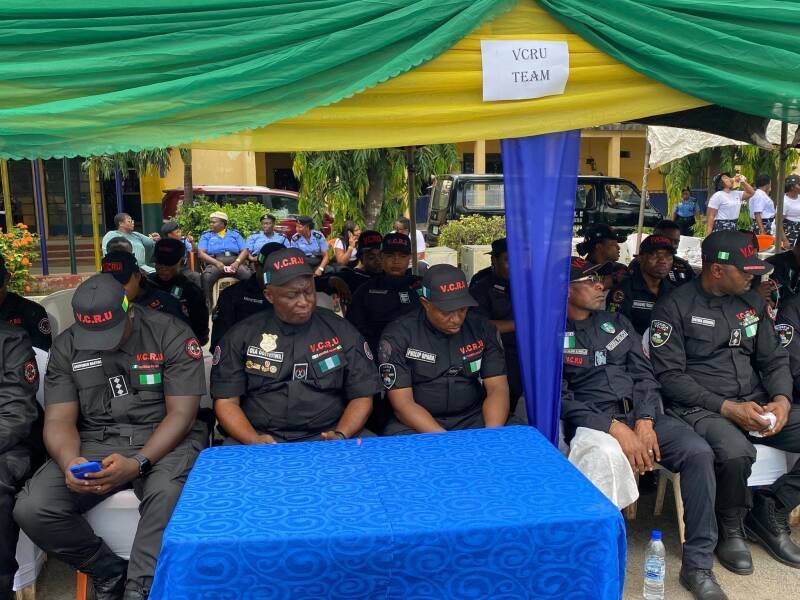
The Imo State Commissioner of Police, Audu Garba Bosso, has officially disbanded the state's anti‑kidnapping unit popularly known as Tiger Base, along with the Scorpion Unit and the Lion Squad, replacing them with a newly established Violent Crime Response Unit (VCRU) in a sweeping reform aimed at restoring public trust and improving professionalism in tactical policing. The announcement was made on Wednesday, May 13, 2026, at the Police Command Headquarters in Owerri, the state capital, marking one of the most significant policing overhauls in the state in recent years. The move followed sustained public outcry and mounting allegations of human rights abuses, including torture, extrajudicial killings and extortion, levelled against the now‑defunct units by human rights organisations and civil society groups.
Bosso, who spoke during the inauguration ceremony, said the changes were in compliance with a directive from the Inspector‑General of Police, Olatunji Rilwan Disu, to reposition tactical operations nationwide and strengthen accountability within the force. The VCRU has been mandated to proactively tackle violent crimes, including armed robbery, kidnapping, terrorism, cultism, unlawful possession of firearms, and other serious offences through intelligence‑led policing, rapid response operations, and enhanced collaboration with communities and sister security agencies. “The inauguration of the VCRU reflects our commitment to professional policing, public safety, and improved service delivery to the people of Imo State,” the police commissioner stated.
According to the command, personnel for the new unit were carefully selected based on competence, discipline, integrity and operational experience. Bosso disclosed that the operatives had undergone intensive specialised training in tactical operations, intelligence gathering, crisis management, human rights compliance and professional conduct to ensure effective and lawful service delivery. The VCRU will operate strictly within the provisions of the law while upholding the dignity and rights of citizens, with a mandate that includes swift response to violent crime, elimination of corruption, and strict avoidance of interference in civil matters.
In a move aimed at boosting transparency and public confidence, the command also inaugurated a Civilian Oversight Board for the VCRU. The board comprises representatives of religious organisations, traditional rulers, civil society organisations, the Nigerian Bar Association (NBA), and the Nigeria Union of Journalists (NUJ). The board is mandated to receive public feedback, monitor the unit’s operations, and provide independent oversight to strengthen accountability in police operations. The launch ceremony featured the unveiling of the VCRU logo and operational dress code, alongside goodwill messages from stakeholders.
Governor Hope Uzodinma, represented by the Chief Principal Security Officer, CSP Gboyako Shaba Adamu, commended the initiative and pledged continued support for security agencies in combating insecurity across the state. The event drew top government officials, heads of security agencies, members of the Police Community Relations Committee, youth organisations and human rights groups.
However, the reform has not been without controversy. A human rights activist and Executive Director of the Rule of Law and Accountability Advocacy Centre (RULAAC), Okechukwu Nwanguma, criticised the Imo State Police Command for retaining the commander of the disbanded Tiger Base to head the newly inaugurated VCRU, despite longstanding allegations of atrocities linked to the former tactical squad. “The sad thing is that the same commander of the disbanded Tiger Base is retained as the commander of the ‘new’ unit, in spite of the avalanche of allegations of atrocities by personnel under his command,” Nwanguma said. “Old wine in new bottle.” Critics insist that retaining the leadership of the defunct Tiger Base raises serious concerns about whether the newly created unit represents genuine reform or merely a rebranding of a controversial police outfit accused of torture, extortion, unlawful detention, and other human rights violations.
The decision to disband Tiger Base followed months of intense scrutiny. In February 2026, Amnesty International released a damning report titled “Tiger Base of Atrocities: Human Rights Violations by Nigeria Police Anti‑Kidnapping Unit Owerri,” which documented systematic abuse, torture, extrajudicial killings, extortion, and arbitrary detention. The report described severe overcrowding at the unit’s detention facility, where more than 70 detainees were reportedly crammed into cells measuring about 12 feet by 12 feet, with no windows and only one overflowing toilet. Former detainees described being beaten with iron rods and cables, cut with knives and machetes, and suspended with ropes. The report also alleged the existence of a thriving illegal Point of Sale operation within the detention facility, where relatives of detainees were required to withdraw and transfer money on the premises to secure release. In some instances, detainees were allegedly taken from their cells and shot. One survivor recounted, “If you survive Cell 1, it is only by God’s grace. Many people disappeared after being moved there; nobody ever saw them again.”
The Nigerian Bar Association (NBA) had also called for an immediate and independent investigation into allegations of human rights abuses linked to Tiger Base. The resolution was adopted during the National Executive Council meeting of the NBA held in Awka, Anambra State, on May 7, 2026. The NBA said it was disturbed by claims that repeated calls for intervention and accountability had not received adequate attention from relevant authorities, and stressed that if proven, such actions would amount to serious violations of constitutional rights, including the rights to life, personal liberty, dignity of the human person, and fair hearing.
The disbandment of Tiger Base follows an earlier directive from the Inspector‑General of Police in March 2026, which ordered the disbandment of all police tactical squads nationwide, including units operating under names such as “Lion, Tiger, Scorpion squads and others by whatever names called.” The IGP’s directive had mandated that such units cease operations in their current form and be restructured to improve professionalism and public accountability.
Observers believe the scrapping of Tiger Base and the creation of the VCRU may signal a new chapter in tactical policing in Imo State, especially amid increasing calls for accountability and respect for human rights. However, the retention of the unit’s former commander has cast a shadow over the reform, with civil society groups and human rights activists demanding a thorough investigation into past abuses before any new unit can be trusted. The Imo State Police Command has yet to respond to the criticism regarding the commander’s retention.
As the VCRU begins its operations, residents have been urged to support the unit with timely and credible information while remaining vigilant and law‑abiding. The police command has assured the public that the new unit would operate with professionalism and strict adherence to the rule of law to guarantee improved security across the state. Whether the reforms will succeed in restoring public confidence remains to be seen, but the decision to retain the former Tiger Base commander has already sparked fresh controversy.
📩 Stone Reporters News | 🌍 stonereportersnews.com
✉️ info@stonereportersnews.com | 📘 Facebook: Stone Reporters News | 🐦 X (Twitter): @StoneReportNew | 📸 Instagram: @stonereportersnews
Add comment
Comments