

Reported by: Oahimire Omone Precious | Edited by: Pierre Antoine
ASABA, Delta State — Fresh internal tensions have erupted within the All Progressives Congress (APC) in Delta State following protests by aspirants over alleged endorsement and imposition of candidates ahead of the party’s forthcoming primaries, deepening concerns about internal democracy within the state chapter.
The controversy spans multiple constituencies, including Ndokwa/Ukwani Federal Constituency and Isoko North, where party meetings intended to consolidate support for aspirants reportedly broke down amid accusations of manipulation and exclusion.
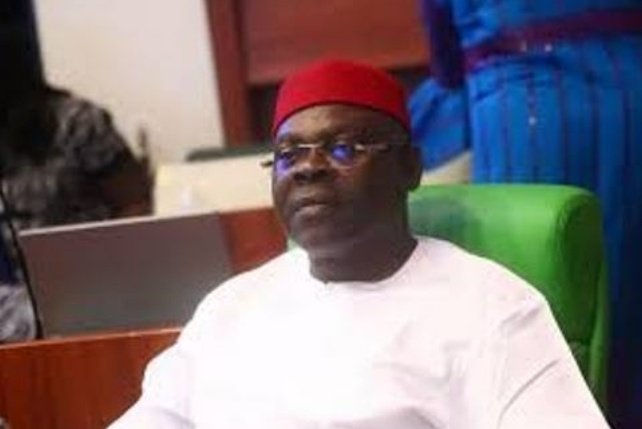
In Ndokwa/Ukwani Federal Constituency, former lawmaker Hon. Ossai Nicholas Ossai raised concerns over what he described as attempts by some party leaders to disenfranchise eligible members during the primaries. He alleged that there were moves to reduce the number of accredited voters, warning that such actions would undermine fairness in the selection process.
Ossai, a former three-term member of the House of Representatives who previously represented the constituency, insisted that any attempt to manipulate delegate participation would be resisted by his supporters. His position reflects ongoing friction within the constituency over candidate selection procedures, particularly as the APC prepares for internal elections that will determine its flagbearers for the 2027 general elections.
Recent political developments in the constituency show that Ossai has remained a central figure in APC realignments. Party stakeholders had earlier endorsed him as a consensus candidate for the 2027 House of Representatives race following meetings involving ward leaders and grassroots groups across the area. However, despite that earlier consensus arrangement, emerging disagreements appear to have reignited tensions over how the primaries will be conducted.
The dispute is also linked to broader debates within the APC in Delta State over whether to adopt direct, indirect, or consensus-based primary methods. Ossai himself has publicly supported direct primaries, arguing that the approach strengthens internal democracy by allowing wider participation of party members in candidate selection processes.
In a separate flashpoint, tensions escalated in Isoko North Local Government Area after a stakeholders’ meeting convened to endorse aspirants reportedly descended into disorder. The meeting was initially organised to demonstrate unity among party members and streamline candidate selection ahead of the primaries.
The crisis reportedly began when a motion was introduced to adopt Orobosa Ashakah as the sole APC House of Assembly aspirant for the constituency. The proposal, however, immediately triggered resistance from other aspirants present at the meeting.
Female aspirant Princess Anebo, alongside another contender, openly rejected the endorsement process, describing it as an attempt to impose a candidate without due consultation or democratic procedure. Their rejection sparked heated exchanges among attendees, with several party members also questioning the legitimacy of the endorsement exercise.
The meeting reportedly became chaotic and was disrupted for several hours as disagreements intensified, reflecting deeper divisions within the party’s local structure over how candidates should emerge.
Political observers say the unfolding crisis in Delta APC is not isolated, noting that intra-party disputes over primaries have been a recurring challenge in the state and across Nigeria’s major political parties. In previous election cycles, similar disagreements over candidate selection methods in Delta APC have led to parallel factional alignments and legal disputes, particularly during governorship and legislative primaries.
Within the Ndokwa/Ukwani axis, political tensions are further heightened by competing interests among aspirants seeking to control the party structure ahead of the 2027 elections. The presence of established political figures like Ossai, combined with emerging aspirants, has intensified contestation over endorsement and delegate influence.
At the Isoko North level, the breakdown of the endorsement meeting underscores ongoing struggles over consensus-building mechanisms within the party. While endorsement meetings are often used to signal unity, they have increasingly become points of contention when aspirants perceive bias or predetermined outcomes.
Party leadership at the state level has not yet issued a formal response addressing the latest allegations of imposition or the disruptions reported during constituency meetings. However, party insiders suggest that reconciliation efforts may be necessary to prevent further escalation ahead of the primaries.
Analysts warn that if unresolved, such disputes could affect the APC’s cohesion in Delta State, potentially weakening its electoral competitiveness. Internal divisions over primaries have historically led to voter apathy, factional defections, and post-primary litigation in similar contexts.
As the APC moves closer to its primaries schedule, attention is now focused on whether state and national party leadership will intervene to enforce a more transparent and unified process across constituencies.
For now, tensions remain high, with aspirants and supporters in Ndokwa/Ukwani and Isoko North continuing to contest the legitimacy of ongoing endorsement efforts and candidate selection arrangements.
Stone Reporters News | stonereportersnews.com
info@stonereportersnews.com | Facebook: Stone Reporters News | X (Twitter): @StoneReportNew | Instagram: @stonereportersnews
Add comment
Comments