

Reported by: Oahimire Omone Precious | Edited by: Oravbiere Osayomore Promise.
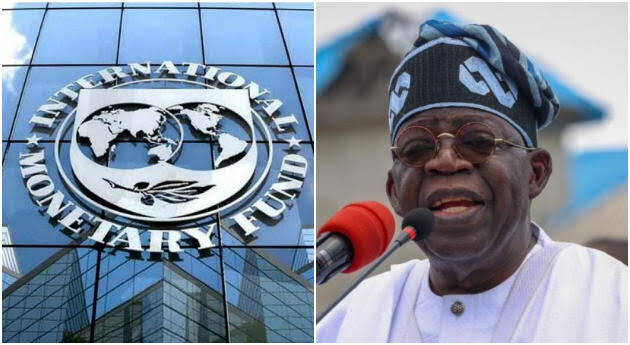
A stark fiscal storm is gathering over Nigeria. The International Monetary Fund has sounded a loud alarm, warning that the country’s public external debt could spike by a staggering $20.7 billion to reach $72.6 billion by the time voters go to the polls in the 2027 presidential election. The projection, contained in the IMF’s 2026 Article IV Consultation report released on Tuesday, June 9, 2026, outlines a near 40 percent increase in just two years. The global lender specifically cited spending pressures tied to rising poverty, widespread food insecurity, and the political demands of an election season as drivers that could widen fiscal deficits and force the government to borrow even more heavily on international markets.
The numbers laid out by the IMF are daunting. It estimates that public external debt will climb from $51.9 billion in 2025 to $66.5 billion in 2026 before peaking at $72.6 billion in 2027. Beyond the government’s own obligations, the Fund projects that Nigeria’s total external debt stock, which includes private sector borrowing, will explode from $109.3 billion in 2025 to a massive $132 billion by 2027. To put these figures into a deeply troubling context, the IMF noted that the nation’s debt-to-exports ratio is expected to rocket past the 100 percent threshold, rising from 82.9 percent to a critical 104.3 percent during the same period. For context, such a high ratio signals that the country is earning significantly less from its exports than it owes to foreign creditors, a red flag for long-term solvency.
The real-time consequences of this borrowing spree are already bleeding into the nation’s finances. The Fund’s analysis shows that debt servicing is cannibalizing the federal budget, leaving little room for critical development. Interest payments alone are forecast to jump from $2 billion in 2025 to $3 billion by 2027, but the true weight is felt in the domestic currency. The IMF starkly estimated that interest payments consumed an unsustainable 53.2 percent of Federal Government revenue in 2025 and will hover above 52 percent through 2027.
Facing this widening gap, the government is eyeing a controversial $5 billion Total Return Swap borrowing arrangement with First Abu Dhabi Bank, which the Senate approved in April. However, the IMF has issued a strong caution against this path, describing such derivative instruments as “opaque” and fraught with danger. Christian Ebeke, the IMF’s Resident Representative for Nigeria, warned that the structure exposes the government to severe financial risks, including margin calls if the naira depreciates further or interest rates spike, which could inadvertently shackle the country’s monetary and exchange rate policies. The Fund urged Nigeria to stick to more transparent and stable options like Eurobond issuances or tapping into cheap multilateral loans instead.
Even as it sounds the alarm, the IMF acknowledged that President Bola Tinubu’s bold macroeconomic reforms—including the removal of the costly fuel subsidy and the liberalization of the exchange rate—have strengthened the nation’s buffers. It noted that Nigeria’s gross reserves have surged to a 17-year high of $50 billion. However, the Fund warned that these macro gains have failed to trickle down to ordinary citizens, as poverty remains entrenched at 63 percent and 27 million Nigerians face acute food insecurity, a gap that could trigger social unrest amid economic strain.
The grim projections have ignited a fierce political firestorm. Opposition leader and Nigeria Democratic Congress presidential candidate Peter Obi has directly criticized the Tinubu administration, accusing it of “imprudent borrowing” and demanding an account for the ballooning debt. The Presidency has fought back, with presidential aide Olusegun Dada arguing that the reported debt increases are “mathematical impacts of currency devaluation” rather than fresh reckless spending. Meanwhile, the African Democratic Congress has raised the stakes, declaring that the government is “mortgaging Nigeria’s future” as it plans to spend a staggering $11.6 billion on debt service alone in 2026.
As Nigerians prepare for a presidential election, the IMF has delivered a sobering verdict: the nation’s finances are on an unsustainable path, and the tough reforms that have stabilized the macroeconomy have left millions of citizens poorer. With the clock ticking toward 2027, the question is no longer whether Nigeria will borrow more, but whether it can afford the price of its own debt.
📩 Stone Reporters News | 🌍 stonereportersnews.com ✉️ info@stonereportersnews.com | 📘 Facebook: Stone Reporters News | 🐦 X (Twitter): @StoneReportNew | 📸 Instagram: @stonereportersnews
Add comment
Comments