

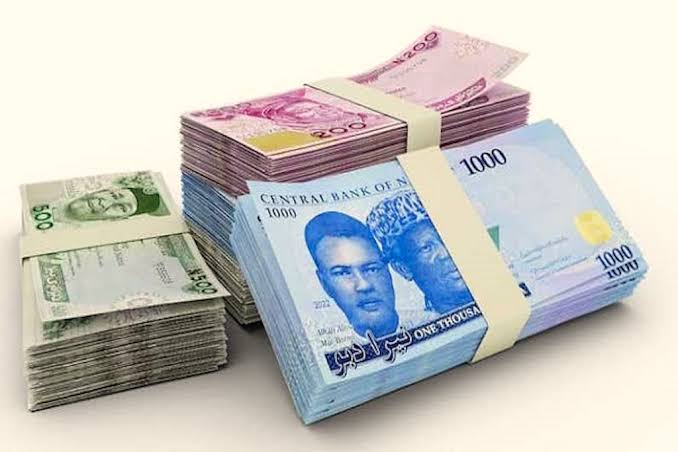
The Federal Government has indicated that the current national minimum wage of N70,000 may require a review, acknowledging concerns that the amount no longer adequately reflects prevailing economic conditions affecting workers across Nigeria.
The position was made public in June 2026 as discussions over workers’ earnings and the rising cost of living intensified. The Federal Government, through ongoing engagement on wage policy, said the N70,000 minimum wage benchmark introduced after the 2024 wage adjustment may need to be reassessed in response to changes in the economy. The development comes amid concerns from labour groups and workers that inflation and higher living costs have reduced the purchasing power of the current wage.
The current minimum wage was introduced following negotiations between the Federal Government and organised labour as part of efforts to improve workers’ welfare and respond to economic pressures.
Since its implementation, the N70,000 wage has remained a major subject of national discussion, with labour unions arguing that the amount has been affected by increases in the prices of food, transportation, housing and other essential needs.
The latest indication of a possible review has renewed debate about whether the existing wage structure is sufficient for Nigerian workers and whether another adjustment is necessary.
Organised labour has repeatedly raised concerns that the economic environment has changed significantly since the current wage was approved.
Workers’ representatives have pointed to the impact of inflation on household income, saying that many employees struggle to meet basic responsibilities despite the increase from the previous minimum wage.
The Federal Government’s acknowledgement of the need for a possible review suggests that wage discussions may return to the centre of national policy conversations.
However, any adjustment to the minimum wage would likely involve consultations between government officials, labour unions and other stakeholders.
The process of determining a national minimum wage requires balancing workers’ welfare with the ability of businesses and government institutions to sustain increased wage obligations.
Nigeria’s minimum wage system affects millions of workers across federal, state and private-sector employment.
While federal workers are directly affected by national wage decisions, implementation at state level depends on individual state governments and their financial capacity.
Labour advocates have often argued that a minimum wage should reflect the actual cost of living rather than only economic projections.
They have maintained that increases in wages must take into account the prices of essential goods and services available to ordinary citizens.
The discussion comes at a time when many households continue to adjust to economic changes following major policy reforms introduced in recent years.
The removal of fuel subsidy and other economic measures have contributed to changes in transportation costs and household expenses.
These factors have increased pressure on workers and have become central issues in conversations around wages and living standards.
Government officials have previously warned that wage adjustments must be approached carefully to avoid creating further economic difficulties.
Employers, particularly small and medium-sized businesses, have also expressed concerns about the impact of higher labour costs on operations.
Any future review of the minimum wage is expected to involve examining broader economic indicators, including inflation trends, productivity and national revenue.
The Federal Government has maintained that wage decisions must consider the overall stability of the economy.
Labour groups, however, have continued to insist that workers require improved earnings to cope with current economic realities.
The debate reflects a wider challenge facing many countries where governments attempt to balance rising living costs with sustainable wage policies.
In Nigeria, the minimum wage has historically been reviewed periodically through negotiations between government and labour representatives.
The current wage framework was established after extensive discussions between stakeholders seeking to address workers’ demands.
A fresh review would require another round of negotiations and agreement among the parties involved.
The outcome of such discussions could affect millions of workers and influence broader economic conditions.
Analysts have often noted that increasing wages without addressing inflation may reduce the impact of salary adjustments.
They argue that wage policies must be supported by measures that improve productivity, control inflation and strengthen economic growth.
The Federal Government’s latest position has therefore placed the focus not only on the amount workers receive but also on the wider economic environment.
For many workers, the issue remains whether future adjustments will provide meaningful improvement in their standard of living.
As discussions continue, attention will be on government actions and the response of organised labour.
A possible review of the N70,000 minimum wage could become a major policy issue in the coming months as Nigeria continues to address economic pressures affecting households and businesses.
📩 Stone Reporters News | 🌍 stonereportersnews.com
✉️ info@stonereportersnews.com | 📘 Facebook: Stone Reporters News | 🐦 X (Twitter): @StoneReportNew | 📸 Instagram: @stonereportersnews
Add comment
Comments