

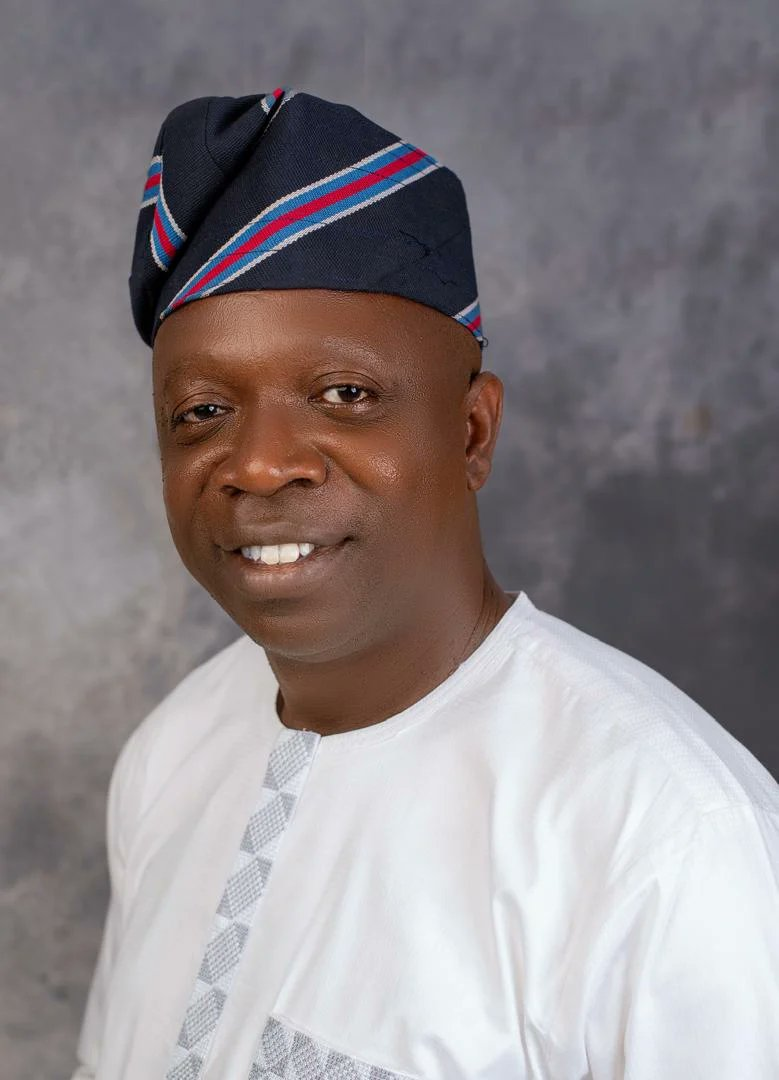
A former Osun State lawmaker, Olatunbosun Oyintiloye, has called for a broader restructuring of Nigeria’s security system, arguing that creating state police alone will not adequately address the country’s security challenges.
Oyintiloye made the remarks while speaking on security concerns and policing reforms in Nigeria. He argued that beyond state-level policing, the country requires specialised security units such as highway police and tourist police to protect citizens, travellers and visitors across different parts of the country.
The former lawmaker said the security situation in Nigeria requires a more comprehensive approach that focuses on different environments and threats rather than relying on one policing structure.
According to him, highways across the country require dedicated security attention because they serve as major routes for transportation, commerce and movement of people.
He said a specialised highway police system would help address crimes associated with major roads, including attacks on travellers, robbery and other forms of insecurity affecting motorists.
Oyintiloye also highlighted the need for tourist police, arguing that areas with tourism potential require security arrangements designed specifically for protecting visitors and supporting the growth of the tourism sector.
He said improving security around tourist locations would encourage more local and international visitors to explore Nigeria’s cultural and natural attractions.
The former lawmaker’s comments come amid ongoing national discussions about the structure of policing in Nigeria and calls for reforms to improve security delivery.
The debate over state police has continued for years, with supporters arguing that local policing structures would improve intelligence gathering and allow security agencies to respond faster to community concerns.
However, critics of state police have raised concerns about funding, training, coordination and the possibility of political interference. The Nigeria Police Force has previously expressed concerns about whether states have the resources and structures required to manage independent police commands effectively.
Oyintiloye’s position differs from those who believe state police alone can solve Nigeria’s security problems.
He argued that security challenges occur in different forms and locations, meaning different specialised units are needed to respond effectively.
Nigeria’s highways connect major cities, states and economic centres, making road security an important part of national safety.
Security incidents on major roads have in the past raised concerns among commuters, transport operators and businesses that depend on road movement.
The former lawmaker said a dedicated highway policing system could improve surveillance and response time on major routes.
He also stressed that security should support economic development by creating an environment where businesses, travellers and investors can move freely.
The tourism sector, according to him, also requires greater attention because insecurity can discourage visitors and limit economic opportunities.
Nigeria has several tourism destinations across different regions, but security concerns have often been identified as one of the challenges affecting the sector’s growth.
Oyintiloye’s remarks form part of a wider national conversation about how Nigeria can modernise its security architecture.
The country currently operates mainly through federal security agencies, including the Nigeria Police Force, with state governments supporting security through various local initiatives.
The question of how policing responsibilities should be shared between federal and state authorities remains a major policy issue.
While some Nigerians support decentralising policing, others insist that reforms must include strong accountability measures to prevent misuse of security institutions.
Oyintiloye has previously spoken on security matters, including calls for changes that would bring security closer to communities.
His latest comments reflect concerns among some policymakers that Nigeria’s security challenges require multiple solutions rather than a single reform.
The discussion comes at a time when Nigerians continue to demand improved protection of lives and property.
Security remains a key issue affecting transportation, business activities, investment and public confidence.
Analysts have often argued that effective policing requires not only personnel but also training, technology, intelligence gathering and adequate resources.
A highway police structure, if introduced, would require clear responsibilities, proper funding and coordination with existing security agencies.
Similarly, tourist police would require specialised training in areas such as visitor protection, communication and emergency response.
The proposal adds another dimension to the ongoing debate over the future of security management in Nigeria.
For Oyintiloye, the solution lies in creating a security framework that responds to specific challenges rather than depending on one model.
The former lawmaker said Nigeria must continue to examine ways of improving security as the country develops.
The debate over policing reforms is expected to continue as government authorities, lawmakers and citizens discuss the best approach to securing communities and public spaces.
📩 Stone Reporters News | 🌍 stonereportersnews.com
✉️ info@stonereportersnews.com | 📘 Facebook: Stone Reporters News | 🐦 X (Twitter): @StoneReportNew | 📸 Instagram: @stonereportersnews
Add comment
Comments