

Reported by: Oahimire Omone Precious | Edited by: Oravbiere Osayomore Promise.
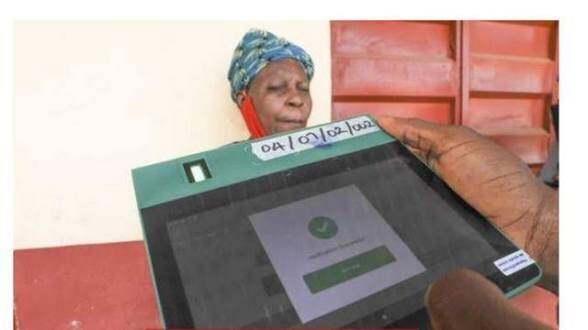
The Head of Research and Strategy at the Kimpact Development Initiative, Oluwafemi Adebayo, has raised fresh concerns over the technological integrity of the Bimodal Voter Accreditation System (BVAS), alleging that evidence from the Independent National Electoral Commission's own documents suggests the election devices may still be operating on Android 6 or Android 7, operating systems released in 2015 and 2016 respectively. Adebayo made the claim during an interview on ARISE Television's Morning Show on Friday, August 7, 2026, warning that if the claim proves correct, it raises critical questions about the security, intelligence, processing capability, and reliability of the technology expected to play a central role in Nigeria's 2027 general elections.
According to Adebayo, publicly available information about the device's software remains limited, making it difficult to determine precisely which Android operating system BVAS currently runs. However, he said that after reviewing INEC's own manuals and official documents, Kimpact discovered provisions indicating that election officers could identify voters through three different methods: the surname of the voter, the last six digits of the Voter Identification Number, and the BVAS scanning the QR code at the back of the Permanent Voter Card. He questioned why old PVCs would significantly affect accreditation when INEC had repeatedly maintained that BVAS primarily authenticates voters through biometric verification rather than the physical voter card, adding that the explanation offered by INEC Chairman Professor Joash Ojo Amupitan following technical issues during the August 1 mock accreditation exercise left several unanswered questions.
Beyond the accreditation process itself, Adebayo said Kimpact's investigation shifted to the technological foundation powering the BVAS devices. He argued that it was unacceptable for election technology equipment to still be operating on software platforms that are several years old, despite what he described as significant government budget allocations for electoral technology. He noted that older Android versions generally no longer receive regular security updates from Google, potentially leaving devices exposed to vulnerabilities that have been discovered and addressed in newer software releases. "If election technology is operating on outdated software, it is exposed to known security flaws that have already been patched in newer versions," Adebayo warned. "This is not just a performance issue; it is a security issue that could compromise the integrity of the electoral process."
The researcher also raised concerns about why the government would invest billions of naira in electoral technology while allowing the devices to run on outdated operating systems. He noted that INEC has consistently maintained that it is ready for elections through activities such as PVC distribution and mock accreditation exercises, but the true test of the commission's preparedness would only become evident on election day. His comments come amid continuing scrutiny of the performance of BVAS during Nigerian elections, with the technology facing criticism over issues including network connectivity, device performance, and delays associated with the transmission and uploading of election results. INEC has previously defended the reliability of BVAS and has made preparations, including the deployment of backup devices, ahead of upcoming elections.
Adebayo's allegations have added to the growing debate over the integrity of Nigeria's electoral technology, with civil society groups and political stakeholders calling for greater transparency and accountability in the deployment of BVAS. The Independent National Electoral Commission is yet to officially respond to the claims, but the researcher has called on the commission to conduct a comprehensive audit of its electoral technology systems to address the concerns raised. "Nigerians deserve to know that the technology being used to determine their electoral fate is secure, reliable, and fit for purpose," Adebayo said. As the 2027 general elections draw closer, the pressure on INEC to provide assurances about the security and reliability of its technology is likely to intensify.
📩 Stone Reporters News | 🌍 stonereportersnews.com
✉️ info@stonereportersnews.com | 📘 Facebook: Stone Reporters News | 🐦 X (Twitter): @StoneReportNew | 📸 Instagram: @stonereportersnews
Add comment
Comments