

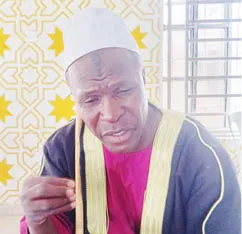
The management committee of a mosque in Bauchi State has removed its imam, Dahiru Abubakar, following allegations that he repeatedly used religious gatherings to campaign for President Bola Ahmed Tinubu’s re-election in 2027.
The incident occurred at Masjid Abdullahi Bin Zubbair in Madina Quarters, Bauchi metropolis, where Abubakar reportedly encouraged worshippers to support the president for another term while defending his administration against criticism over insecurity and economic hardship.
According to reports published on Thursday, October 22, 2026, the imam had repeatedly introduced political messages during sermons delivered after obligatory prayers, despite warnings from the mosque's management committee.
The disagreement reportedly intensified after Abubakar made similar remarks following the early morning Subhi prayer on Sunday, prompting the committee to review his conduct and remove him from his position.
The imam reportedly told worshippers that President Tinubu should not be held solely responsible for Nigeria's security and economic challenges, arguing that the country required prayers and divine intervention to overcome its difficulties.
Abubakar acknowledged making statements in support of the president but maintained that his preaching was intended to encourage religious devotion and discourage Nigerians from blaming political leaders for every national problem.
He explained that his sermons focused on the fear of God, personal responsibility and the need for citizens to pray for the country.
The cleric also referred to insecurity in other African countries, including Sudan, Chad and Mali, questioning whether Tinubu could reasonably be blamed for security challenges beyond Nigeria.
However, the chairman of the mosque management committee, Imam Abubakar Jibrin, said the decision to remove Abubakar went beyond his personal political preference.
Jibrin accused the former imam of repeatedly gathering people around the mosque to discuss politics and attempting to turn the religious premises into a platform for political activities.
He explained that the committee had held several meetings with Abubakar and warned him against using the mosque for political mobilisation.
According to the chairman, the committee believed that religious premises should primarily serve their intended purpose as places of worship, while political parties and their supporters should conduct campaign activities through appropriate political channels.
Jibrin maintained that the committee's objection was not directed specifically at President Tinubu or any other presidential candidate.
He said members were concerned about the repeated introduction of partisan political activities into the mosque despite earlier warnings.
The committee chairman also disclosed that another source of disagreement was Abubakar's reported proposal to rename the mosque in honour of the president.
According to Jibrin, the former imam wanted the facility's name changed from Masjid Abdullahi Bin Zubbair to Masjid Imam Bola Ahmed Tinubu.
The proposal was rejected by the management committee, which maintained that the mosque belonged to the community and could not be renamed at the insistence of an individual religious leader.
Jibrin said the committee members unanimously opposed the proposed change and resolved to retain the mosque's existing name.
He further confirmed that the committee had decided against reinstating Abubakar as imam.
The development has drawn attention to the relationship between religious leadership and political campaigning as Nigeria approaches the 2027 general elections.
Religious leaders frequently participate in public discussions about governance, insecurity, poverty and national development. However, disagreements can arise when religious gatherings are used to encourage support for particular political candidates.
In this case, the former imam defended his remarks as religious guidance and commentary on national challenges, while the mosque committee regarded his repeated political activities as inconsistent with its rules and expectations.
The available accounts do not establish that the Bauchi State Government or any political party directed the imam's removal.
Rather, the decision was attributed to the mosque's management committee following internal disagreements over his conduct.
There is also no verified indication that the committee endorsed an opposing presidential candidate or adopted a political position against Tinubu's re-election.
The dispute therefore centres on the use of a community religious institution for partisan political activities, rather than an officially declared position on the 2027 presidential election.
As political activities intensify ahead of the next general elections, the incident illustrates how disagreements over political expression can arise within religious institutions.
For the mosque management committee, the decision reflects its position that religious facilities should not become venues for partisan mobilisation.
For Abubakar, the removal followed his insistence that his messages about the president were connected to his broader religious teachings on prayer, national challenges and personal responsibility.
The committee has maintained that its decision is final, while the mosque is expected to continue operating under its existing name and management arrangements.
📩 Stone Reporters News | 🌍 stonereportersnews.com
✉️ info@stonereportersnews.com | 📘 Facebook: Stone Reporters News | 🐦 X (Twitter): @StoneReportNew | 📸 Instagram: @stonereportersnews
Add comment
Comments