

Published by Osasere Edomwonyi Ikpoba
The Nigeria Centre for Disease Control and Prevention has reported a troubling resurgence of Lassa fever across the country, with cumulative confirmed cases climbing to 1,035 and the death toll reaching 252 as of the end of epidemiological week 33. The latest situation report, made available in Abuja on Tuesday, September 1, 2026, revealed that 14 new confirmed cases were recorded between August 10 and August 16, marking a sharp increase from the four cases reported during the previous week. The case fatality rate has now risen to 24.4 per cent, significantly higher than the 18.6 per cent recorded during the same period in 2025, underscoring the growing lethality of the outbreak.
The fresh infections were concentrated in four states—Ondo, Bauchi, Edo, and Benue—which continue to bear the brunt of the epidemic. According to the NCDC, the 14 new cases represented an increase from four cases reported during epidemiological week 32, when infections were recorded only in Ondo and Edo states. By week 32, cumulative infections had reached 1,021, with 240 deaths and a case fatality rate of 23.5 per cent. The week 32 figure itself represented a decline from 17 confirmed cases recorded during epidemiological week 31, indicating persistent fluctuations in weekly transmission that have made the outbreak difficult to predict and contain.
By the end of week 33, the outbreak had spread to 23 states across 117 local government areas, reflecting the widespread nature of the disease. The geographical expansion of the virus has placed enormous strain on Nigeria's public health infrastructure, with health authorities scrambling to deploy resources to affected communities. The NCDC's situation report highlighted that five states—Bauchi, Ondo, Taraba, Benue, and Edo—accounted for 87 per cent of all confirmed cases recorded cumulatively by week 33. These same five states also accounted for 86 per cent of confirmed cases in week 32, maintaining their position as the epicentre of the outbreak. Among these, Ondo State has recorded the highest proportion of cases at 32 per cent, followed by Bauchi with 25 per cent, Taraba with 13 per cent, Edo with 10 per cent, and Benue with six per cent.
The demographic profile of those affected remains consistent with previous patterns. The NCDC reported that people aged 21 to 30 years remain the predominant age group affected by Lassa fever during both reporting weeks, a finding that has significant implications for public health interventions targeting young adults. The gender distribution is nearly equal, according to earlier reports, suggesting that the disease does not discriminate along gender lines. This age group represents the most economically active segment of the population, and the high infection rates among them threaten to compound the socioeconomic impact of the outbreak.
One of the most concerning aspects of the outbreak has been the infection of healthcare workers, who are on the front lines of the response. While the NCDC reported no new healthcare worker infections during weeks 32 and 33, the cumulative number of infected health workers in 2026 had previously reached 53, highlighting the continued risk faced by those responding to the outbreak. The agency had earlier developed a 30-day Healthcare Worker Protection Plan to reduce infections among frontline health workers in high-burden states, with support from the World Health Organisation and the US Centres for Disease Control and Prevention. The plan includes training frontline healthcare workers, strengthening infection prevention and control programmes, pre-positioning personal protective equipment, and providing technical support to investigate and mitigate healthcare worker infections.
The NCDC has identified several challenges contributing to the high case fatality rate, including late presentation of patients, poor health-seeking behaviour linked to the high cost of Lassa fever treatment and clinical management, poor environmental sanitation, and limited awareness in high-burden communities. The agency has recommended year-round community engagement on Lassa fever prevention and urged healthcare workers to maintain a high level of suspicion for the disease, ensure timely referral and treatment, and adhere to standard infection prevention and control procedures.
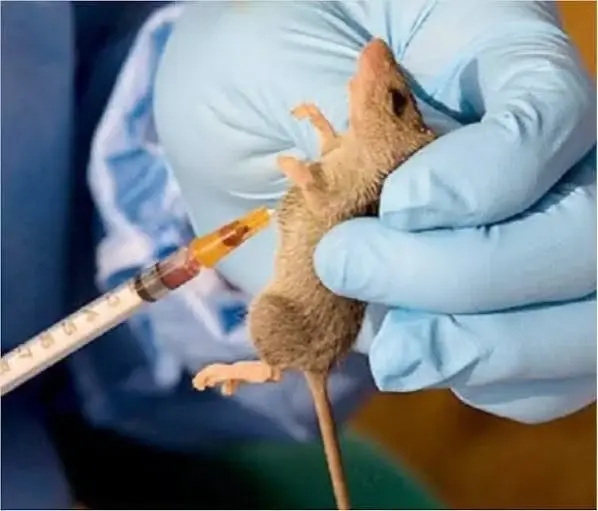
Lassa fever, a viral haemorrhagic disease first identified in 1969 in the town of Lassa in Borno State, is transmitted primarily through contact with food or household items contaminated by the urine or faeces of infected multimammate rats, which are common in rural areas of West Africa. Human-to-human transmission can also occur through contact with bodily fluids, making healthcare settings particularly vulnerable to secondary infections if proper precautions are not observed. Symptoms typically begin with fever, weakness, and headache but can progress to severe complications, including bleeding, respiratory distress, and organ failure if not treated early. Early diagnosis and treatment with ribavirin, the antiviral drug used to treat the disease, are critical to improving survival rates, but many patients in rural areas lack access to timely diagnosis and care.
The current outbreak represents one of the most severe Lassa fever epidemics Nigeria has experienced in recent years. The case fatality rate of 24.4 per cent is substantially higher than the 18.6 per cent recorded in 2025, indicating that the disease is becoming more lethal or that patients are presenting later for treatment. The total number of suspected cases has also risen to 6,960 in 2026, compared with 6,731 recorded during the corresponding period last year. This increase in suspected cases, combined with the rising confirmed case count, suggests that transmission is not slowing despite ongoing public health interventions.
The NCDC has assured the public that it will continue surveillance and response activities as Lassa fever remains a significant public health concern across affected states. The agency has called on state governments, health facilities, and communities to intensify efforts to prevent further spread of the disease. Key measures include improving environmental sanitation to reduce rodent populations, storing food in rodent-proof containers, avoiding contact with rats and their droppings, and seeking medical attention immediately if symptoms develop. The NCDC has also emphasised the importance of infection prevention and control in healthcare settings to protect both patients and health workers.
As the outbreak continues to evolve, the coming weeks will be critical in determining whether the recent increase in cases represents a temporary fluctuation or the beginning of a more sustained resurgence. For now, the NCDC's latest figures serve as a stark reminder that Lassa fever remains a persistent and deadly threat to public health in Nigeria, one that demands sustained vigilance, robust surveillance, and coordinated action at all levels of government and society.
📩 Stone Reporters News | 🌍 stonereportersnews.com
✉️ info@stonereportersnews.com | 📘 Facebook: Stone Reporters News | 🐦 X (Twitter): @StoneReportNew | 📸 Instagram: @stonereportersnews
Add comment
Comments