

Reported by: Oahimire Omone Precious | Edited by: Oravbiere Osayomore Promise.
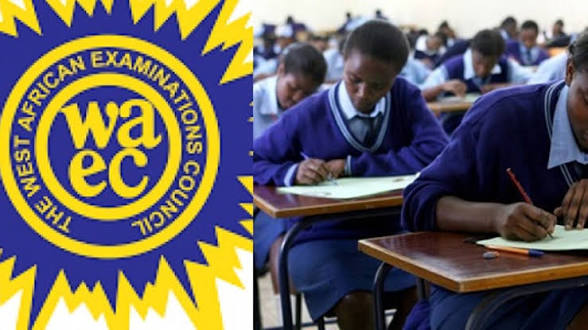
The West African Examinations Council has fired back at schools, parents, and social media critics questioning the credibility of the 2026 West African Senior School Certificate Examination results, insisting that no question paper was leaked and that a drop in malpractice is partly responsible for what some have described as unexpectedly low grades.
Amos Dangut, Head of the Nigeria National Office of WAEC, made the clarifications on Thursday, September 3, 2026, during a virtual dialogue organised by the Education Writers Association of Nigeria themed "Addressing Concerns over WASSCE Results, Other Matters". His comments came amid mounting pressure from schools and parents who have demanded a review of the results, alleging technical glitches and possible irregularities in the processing of the computer-based examination.
"There is a lot of misconception, misrepresentation of the truth about the scenario," Dangut said. He was categorical in his defence: "This very year, 2026, I can confidently tell the whole world that the WAEC examination did not leak". He attributed the decline in examination malpractice partly to measures introduced by the council, including computer-based testing, randomisation and serialisation of questions.
According to the council, the malpractice rate fell from 9.7 per cent in 2025 to 8.59 per cent in 2026, a decline of about 1.1 per cent. Dangut argued that the reduction in malpractice had angered individuals and platforms that previously profited from examination fraud. "The cyber rogue websites, cyber cafes that engage in fraudulent activities or malpractice, they did not thrive. So they were angered. They are part of the aggrieved people that are also fuelling this unnecessary controversy," he said.
The WAEC boss also linked the performance concerns to the new assessment methods. "You will also agree that if there is no malpractice, there is no leakage, definitely performance will be affected," he said. "Because many people that have been used to thriving well, doing well in an environment that allows growth of malpractice will not have that opportunity again".
WAEC released the 2026 WASSCE results on August 5, with 1,200,514 candidates, representing 61.54 per cent of the 1,950,726 candidates who sat the examination, obtaining credits in at least five subjects, including English Language and Mathematics. However, the results of 167,486 candidates, representing 8.59 per cent of the total, were withheld over alleged examination malpractice.
Despite WAEC's defence, several schools and parents have raised concerns, questioning unexpectedly low grades recorded by some high-performing students, particularly in English Language and Mathematics. Some schools reported that the results did not correspond with the students' academic records, mock examination performances and previous achievements. Two popular schools in Oyo and Ogun states confirmed that parents had raised issues with the results of their wards, with one school official telling Daily Sun that they suspected glitches affected their students' marks. A parent, Mr Lekan Sogunle, told the newspaper that his daughter, a valedictorian who dominated her class from JSS 1 to SS 111, recorded an outstanding result in junior WAEC, but her CB-WASSCE grades were unacceptable.
Dangut, however, dismissed suggestions that glitches affected the results, insisting that the examination body's marking, processing and moderation procedures remained credible. He urged stakeholders to seek clarification directly from the council rather than relying on unverified claims circulating on social media. He also acknowledged that the transition to new technology had not been without challenges, describing the situation as a "two-edged sword".
Dangut attributed delays experienced during the examination to late registration by schools and other logistical challenges. According to him, registration that should have been concluded by December 2025 was not completed until April 2026, affecting the printing of examination materials and other logistics. He also cited insecurity and the nationwide protests over the kidnapping of Oyo schoolchildren and teachers as factors that affected the smooth conduct of the examination.
WAEC has maintained that the results were produced through the same marking, moderation and auditing procedures that have guided its examinations over the years. The council said every candidate's script undergoes a multi-tiered system of marking, moderation and auditing, guided by standardised marking schemes and supervised by vetted subject experts to ensure objective and fair scoring. It also said it maintains procedures for candidates to submit queries or grievances through its offices nationwide and its verified online platforms.
The debate over the 2026 WASSCE results has highlighted the tensions surrounding the transition to computer-based assessment in Nigeria's examination system. While WAEC insists the reforms have strengthened the integrity of the examination, schools and parents remain unconvinced, demanding a review of results they consider inconsistent with their children's academic abilities. For now, WAEC has drawn a clear line: the results are credible, and those with concerns should follow the established channels to seek clarification.
📩 Stone Reporters News | 🌍 stonereportersnews.com
✉️ info@stonereportersnews.com | 📘 Facebook: Stone Reporters News | 🐦 X (Twitter): @StoneReportNew | 📸 Instagram: @stonereportersnews
Add comment
Comments