

The Federal Government has approved a ₦70,000 monthly transport allowance for public servants across all grade levels for six months, beginning in November 2026, following negotiations with the Nigeria Labour Congress (NLC). The intervention is intended to ease the financial pressure on workers struggling with rising transportation costs and the wider cost-of-living crisis.
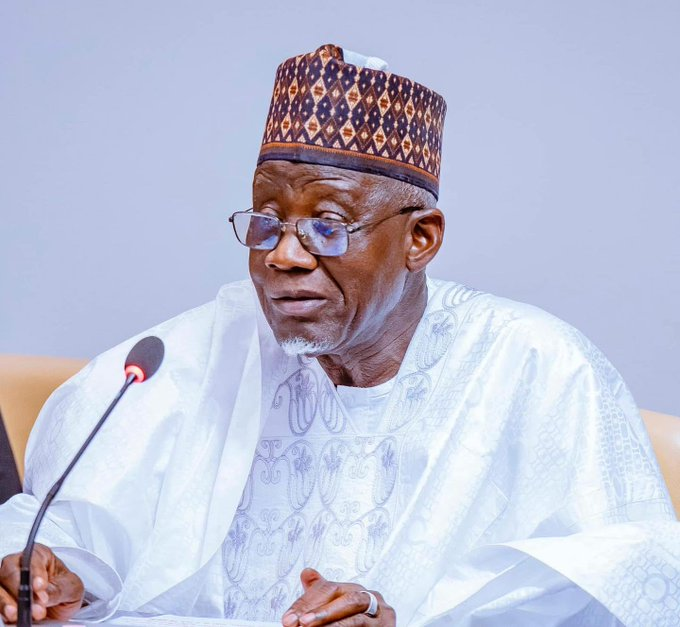
The agreement was reached on Tuesday, October 27, 2026, during a conciliation meeting between government officials and NLC representatives at the Federal Ministry of Labour and Employment in Abuja. The meeting, chaired by Labour and Employment Minister Muhammad Maigari Dingyadi, addressed outstanding welfare demands, minimum wage negotiations and allowances owed to different categories of public sector workers.
Under the agreement, eligible federal public servants are expected to receive ₦70,000 monthly for six consecutive months, representing a total of ₦420,000 per worker over the intervention period. The payment is scheduled to begin in November 2026 and continue through April 2027, provided the government implements the arrangement as agreed.
The memorandum of understanding stated that the transport intervention would be paid across all levels for six months. However, the agreement did not specify the exact payment dates, the total number of beneficiaries or the administrative arrangements for disbursing the funds.
The resolutions were documented in a memorandum signed by senior government and labour representatives, including NLC President Joe Ajaero, the Minister of Labour and Employment, the Director-General of the Budget Office and the Permanent Secretary responsible for service welfare in the Office of the Head of the Civil Service of the Federation.
The decision followed weeks of pressure from organised labour over declining purchasing power, increasing transport fares and unresolved commitments concerning public service remuneration. The NLC had repeatedly called for measures to protect workers against economic hardship and ensure that outstanding agreements were implemented.
The latest meeting followed an earlier conciliation session held on October 22, which was convened to address disagreements between the government and organised labour. The discussions formed part of efforts to prevent further deterioration in industrial relations and resolve grievances that could lead to additional labour action.
The transport allowance represents one of the most immediate concessions secured during the negotiations. Its introduction comes against the background of higher transportation and living costs following the removal of Nigeria's petrol subsidy in May 2023.
The subsidy removal substantially increased fuel prices and contributed to higher commuting and distribution costs. Workers travelling long distances to their workplaces have been particularly exposed to changes in transport fares, while households have also faced increased expenditure on food, electricity and other essential services.
Although the allowance could provide temporary financial relief, its effectiveness will depend on implementation and prevailing living costs during the payment period. The government has not indicated whether the intervention will be extended beyond April 2027 or incorporated into permanent salary arrangements.
Beyond transport support, the meeting produced agreements concerning outstanding allowances and other employment-related demands. The Federal Government approved the payment of arrears arising from the peculiar allowance, with the entitlement taking effect from May 1, 2026.
Under the arrangement, the accumulated arrears will be settled in three equal monthly instalments beginning in November. The agreement provides a timetable for clearing the outstanding obligations, although the total financial commitment was not disclosed in the published resolutions.
Another major concession concerns healthcare workers, who have repeatedly raised concerns about delayed allowances and remuneration.
The government agreed to settle 19 months of outstanding allowances owed to health workers within three months, beginning in December 2026. The commitment is expected to address a longstanding grievance within the public health sector, where disagreements over remuneration have contributed to industrial tensions.
However, the implementation of the healthcare agreement will require timely financial releases and coordination between the relevant ministries, departments and agencies. The memorandum did not disclose the total value of the outstanding payments.
The negotiations also addressed the national minimum wage, but government and labour representatives failed to reach agreement on the effective date for implementing a new wage arrangement.
Both sides nevertheless agreed to establish a Minimum Wage Negotiation Committee immediately and begin discussions on the unresolved issues.
The committee is expected to bring together representatives of government, organised labour and employers, providing a formal mechanism for further negotiations.
NLC Assistant Secretary-General Chris Onyeka described the discussions as productive but acknowledged that the outcome fell short of labour's expectations.
"It was productive, but not as we had expected," Onyeka said, reflecting the compromises involved in reaching the agreement.
The unresolved minimum wage question remains significant because temporary allowances do not necessarily address the underlying relationship between salaries and living expenses. A permanent wage adjustment would require separate negotiations and decisions about implementation and funding.
The meeting also considered demands for tax relief for workers. However, no immediate agreement was reached on the issue, with the parties recognising that taxation involves statutory requirements.
The matter will be referred to the NLC's National Executive Council for further consideration, leaving the proposed relief unresolved.
Agricultural workers' hazard allowances were another subject of discussion. The Federal Ministry of Agriculture and Food Security has submitted a list of proposed beneficiaries and associated financial requirements to the National Salaries, Incomes and Wages Commission for verification.
The commission is expected to complete the exercise within two weeks and subsequently provide an implementation framework.
Similarly, discussions concerning adjustments to the Consolidated Health Salary Structure resulted in an agreement for the commission to update the financial implications within three weeks.
The revised figures are intended to assist the Presidential Committee on Salaries in determining the appropriate response to the proposed adjustment.
The government and NLC also encouraged state and local governments to adopt the transport intervention and other welfare measures. However, the federal agreement does not automatically establish that every state or local government worker will receive the allowance.
Implementation outside the federal public service will depend on decisions by the relevant authorities and their capacity to finance the proposed payments.
The distinction is important because public sector employment conditions and funding arrangements differ across Nigeria's federal, state and local government structures.
Both parties agreed to reconvene after one month to assess progress in implementing the resolutions. That review will provide an opportunity to examine whether payments have commenced and whether outstanding commitments are being fulfilled.
For workers, the immediate concern is whether the promised allowance will reach eligible beneficiaries as scheduled. For organised labour, the agreement represents a partial achievement while negotiations continue over permanent wage improvements and other unresolved demands.
The government's commitment marks a significant development in its engagement with organised labour, but the practical impact will ultimately be determined by the timely release of funds and consistent implementation.
As November approaches, attention will shift from the announcement of the ₦70,000 transport intervention to its delivery, alongside the settlement of outstanding allowances and progress towards a new national minimum wage agreement.
📩 Stone Reporters News | 🌍 stonereportersnews.com
✉️ info@stonereportersnews.com | 📘 Facebook: Stone Reporters News | 🐦 X (Twitter): @StoneReportNew | 📸 Instagram: @stonereportersnews
Add comment
Comments