

Reported by: Ijeoma G | Edited by: Oravbiere Osayomore Promise.
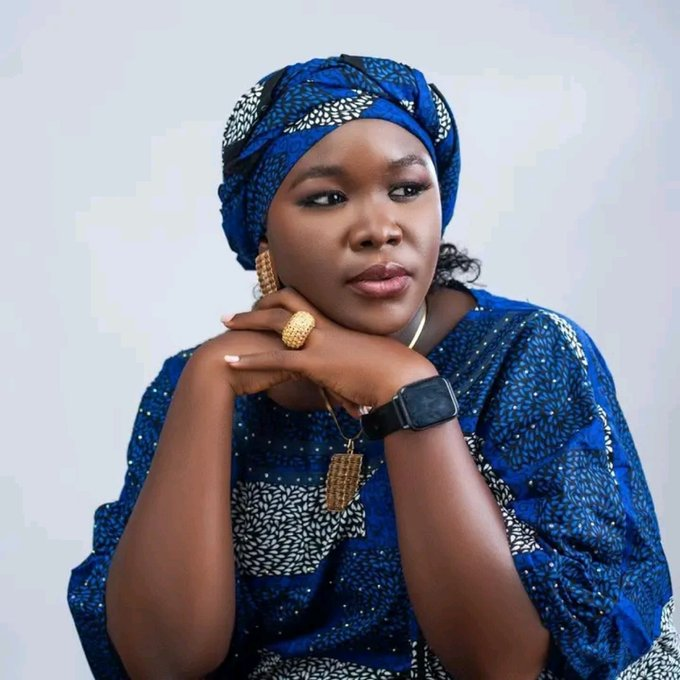
The Kaduna State Women Leader of the Peoples Democratic Party, Godiya Lolo, has resigned from her position and membership of the party, marking a notable development within the party’s state structure.
The resignation, announced on Tuesday, April 14, 2026, was communicated through internal party channels and later confirmed by local party sources familiar with the matter in Kaduna State.
Although the specific reasons for her resignation have not been publicly detailed, party insiders indicated that the decision follows a period of internal adjustments and ongoing restructuring within the state chapter of the Peoples Democratic Party.
Sources within the party described Lolo as a prominent figure in the Kaduna State chapter, particularly in mobilising women’s participation and grassroots engagement in party activities over recent years.
Her resignation is expected to trigger discussions within the state executive committee as the party moves to address leadership gaps and maintain organisational stability ahead of future political engagements in the state.
Within the broader political context in Kaduna State, the Peoples Democratic Party has in recent years faced internal disagreements, leadership contests, and periodic realignments, reflecting wider dynamics in Nigeria’s evolving opposition politics.
Political observers note that resignations from party leadership roles at the state level often reshape local power structures and may influence future alignments, especially in states where opposition parties are working to consolidate support bases ahead of electoral cycles.
As of the time of this report, there has been no formal statement issued by the Kaduna State chapter of the Peoples Democratic Party or by Godiya Lolo herself clarifying the circumstances surrounding the resignation, and it remains unclear whether any reconciliation efforts are underway within the party hierarchy.
Godiya Lolo has been recognised within party circles as part of the Kaduna State women’s political leadership structure, a segment often tasked with mobilisation, advocacy, and coordination of grassroots participation among female party members across local government areas.
Her role as Women Leader placed her in a strategic position within the state chapter, where she was involved in organisational activities, political outreach programmes, and internal party coordination efforts aimed at strengthening the party’s presence across communities.
Over time, women’s leadership structures within major political parties in Nigeria have played significant roles in voter mobilisation, campaign coordination, and civic engagement, particularly during election cycles at both state and national levels.
Weeks leading up to the resignation saw heightened political activities within Kaduna State’s opposition landscape, with parties engaging in internal consultations and preparations for future electoral contests, according to party observers.
PDP Kaduna leadership is expected to manage the transition process following the resignation, including potential replacement procedures and consultations with stakeholders across local government structures in the state chapter.
Some party members described the development as significant for internal organisation, noting that changes in leadership positions can affect coordination and influence within state-level political structures.
The Peoples Democratic Party remains one of Nigeria’s major opposition parties, with a long history of internal restructuring and leadership contests across various states, often reflecting the competitive nature of political organisation in the country.
Kaduna State has remained a politically significant region in northern Nigeria, often witnessing intense competition between major political parties, with party structures frequently undergoing realignments in response to evolving electoral dynamics.
Analysts suggest that leadership changes at the state level may influence party cohesion, particularly when such changes occur outside widely expected internal selection procedures.
In situations involving disputed or unclear leadership transitions, political parties typically rely on internal committees and national executive structures to resolve disputes and restore administrative order.
Women’s leadership roles within political parties are often seen as critical to inclusion and representation, and disruptions in such positions can affect broader participation dynamics.
Such resignations may also prompt internal reviews of appointment processes and governance structures within party organisations at the state level.
However, no official explanation has been provided by the party at the time of reporting, and details surrounding the resignation remain limited.
Party procedures typically require formal notification, documentation, and acceptance of resignations before leadership adjustments are finalised within state chapters.
The development has generated discussion among political observers in Kaduna, with attention focused on its potential implications for party organisation and future electoral readiness.
At the grassroots level, party members often view leadership stability as essential for coordination of campaigns, voter engagement, and mobilisation efforts across wards.
Frequent leadership changes can sometimes create uncertainty within party structures, particularly when transitions occur during sensitive political periods.
Within the Peoples Democratic Party, state chapters operate under guidelines set by national leadership, with internal offices responsible for women mobilisation, youth engagement, and grassroots coordination.
As the situation develops, party stakeholders are expected to engage in further consultations aimed at stabilising leadership structures and maintaining organisational continuity in Kaduna State.
Observers also note that internal party stability is often closely linked to the effectiveness of leadership coordination, particularly in competitive political environments where electoral positioning is continuously evolving.
In such contexts, party leadership transitions are often used as opportunities to reassess organisational structures, improve inclusiveness, and strengthen internal communication channels.
At present, the resignation of Godiya Lolo remains one of the latest developments within Kaduna State’s opposition political landscape, pending further official clarification from party authorities.
Party members and stakeholders continue to await formal communication regarding next steps, including possible replacement procedures and administrative restructuring within the state chapter.
Political developments such as resignations at senior party levels often prompt renewed scrutiny of internal democratic processes, particularly in relation to how leadership positions are filled, rotated, and managed within state structures. In Kaduna State, this latest resignation is expected to contribute to ongoing discussions about party cohesion, inclusiveness, and administrative efficiency as stakeholders evaluate the broader implications for organisational stability. While no additional details have been formally disclosed, attention remains focused on how the party will navigate the transition period and ensure continuity in its women leadership structure without disruption to existing mobilisation frameworks and community-level political engagement activities across the state.
The party is expected to issue further updates in due course.
📩 Stone Reporters News | 🌍 stonereportersnews.com
✉️ info@stonereportersnews.com | 📘 Facebook: Stone Reporters News | 🐦 X (Twitter): @StoneReportNew | 📸 Instagram: @stonereportersnews
Add comment
Comments