

Reported by: Ijeoma G | Edited by: Oravbiere Osayomore Promise.
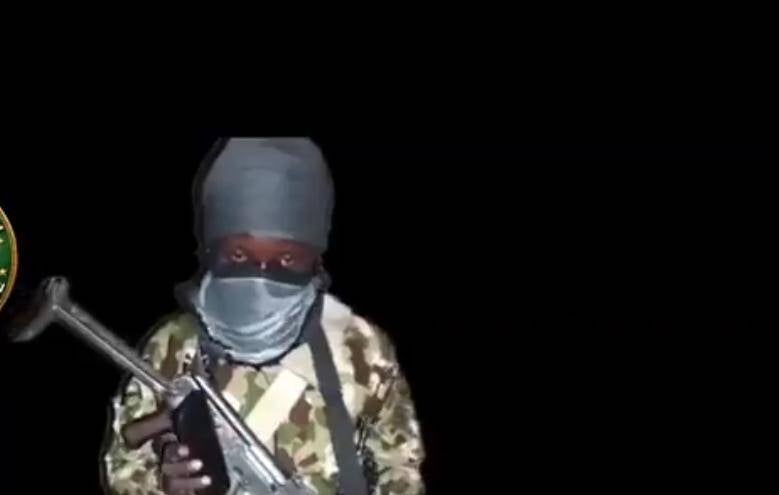
The 72‑hour deadline set by a faction of Boko Haram for the release of 416 abducted women and children has expired, and the terrorist group has declared that “there is no discussion” left, raising the spectre of a mass execution in Borno State. In a new video message released on Thursday, 30 April 2026, a masked spokesperson for the Jama’atu Ahlis Sunna Lidda’awati wal‑Jihad (JAS) faction warned that it would act on its threat to kill the captives or scatter them to unknown destinations. The group had earlier demanded a ransom of N5 billion and warned that any attempt at a military rescue would be met with force. The expiration of the ultimatum has triggered widespread panic among the families of the abducted victims, who were seized from the Ngoshe community in Gwoza Local Government Area on 4 March 2026.
In the latest video, first published by the Borno South Youth Alliance (BOSYA), the militant spokesman stated that all negotiations with authorities had collapsed. “The 72‑hour deadline we gave you has already expired … now there is no discussion,” the spokesman said, according to a transcript of the Hausa‑language message. The group also dismissed ransom talks, describing earlier financial figures as “unofficial” and insisting that money would not influence its position. It warned against any rescue attempt, claiming that a military operation could lead to further civilian casualties, and mocked government efforts to respond to the crisis. The chilling message has thrown into doubt the safety of the 404 captives who remain in the group’s hands after a small number managed to escape last week.
The abduction, one of the largest in Borno State in recent years, took place when heavily armed insurgents overran a military base in Ngoshe, killing an unspecified number of soldiers and civilians before carting away residents, mostly women and children. For weeks, the terrorists had kept the victims in an undisclosed location in the Sambisa Forest, a vast insurgent stronghold. On 10 April, the group released a video showing the hostages, who appeared visibly distressed but claimed they had not been harmed. That same day, BOSYA confirmed the number of captives as 416. On 20 April, the terrorists issued a final warning: pay N5 billion within 72 hours or the victims would be transferred to different locations where they might never be found. The group dared the Nigerian government to attempt a forceful rescue, declaring, “If the government believes it can rescue them by force, you are free to try.”
The 72‑hour deadline elapsed early on Thursday, 30 April. Shortly afterwards, the new video emerged, prompting frantic appeals from local leaders and humanitarian organisations. BOSYA, which had been acting as an intermediary between the terrorists and the authorities, said it had exhausted all opportunities to delay the threat. “There is growing fear that we may begin to witness executions,” the alliance said in a statement. “Our pleas and interventions have often been the only line standing between the execution of innocent women and children and their continued survival.” The alliance accused the federal and state governments of failing to respond adequately despite repeated appeals to President Bola Ahmed Tinubu, Vice President Kashim Shettima and Borno State Governor Babagana Umara Zulum.
The sense of dread is palpable in Ngoshe and in the displacement camps that house the families of the captives. Many of those families have already endured months of agony. An elder in the community, Mr John Gwoma, whose nephew is among the hostages, told the Daily Trust that the silence from authorities has been deafening. “We only hear about the insurgents’ demands on social media; we don’t know who is negotiating with them, either the state or the federal government,” he said. “My prayer is that they should not do anything to risk the lives of our loved ones.” Another father, Yakubu Bitrus Ngoshe, whose son was kidnapped, said he has not heard from the boy since the attack. “I narrowly escaped the Boko Haram kidnap. We were running together when they started shooting. I got to know he was captured in the video they released. Since then, I have not heard from him.”
The crisis has also drawn attention to the broader failure of counter‑insurgency efforts in the North‑East. Although the military has conducted airstrikes and ground operations in the Sambisa Forest and the Lake Chad region, the insurgents have repeatedly demonstrated their ability to launch devastating raids and hold large numbers of civilians hostage. In a separate development, 12 of the 416 captives managed to escape on 22 April, fleeing their captors and trekking for days before reaching a military post in Gwoza. The escapees were identified mostly as women and young children, including an 18‑month‑old baby, an infant of four months and a two‑month‑old child. Their freedom offered a flicker of hope, but the fate of the remaining 404 remains uncertain.
The Nigerian government has yet to issue a formal response to the latest video. The presidency, the Defence Headquarters and the Borno State Government have all remained silent, further fuelling anxiety among families and civil society groups. The silence stands in stark contrast to the public outrage that followed the Chibok schoolgirls’ abduction in 2014, when global attention helped pressure the government into negotiating a release. With less than a year to go before the 2027 general elections, the Tinubu administration appears reluctant to be seen negotiating with terrorists, yet the alternative – a military rescue operation – carries the risk of heavy casualties. As the hours tick by, the 404 captives remain in the hands of a group that has shown no mercy in the past. The families who wait can do nothing but pray and wonder whether anyone in power is listening to their pleas.
📩 Stone Reporters News | 🌍 stonereportersnews.com
✉️ info@stonereportersnews.com | 📘 Facebook: Stone Reporters News | 🐦 X (Twitter): @StoneReportNew | 📸 Instagram: @stonereportersnews
Add comment
Comments