

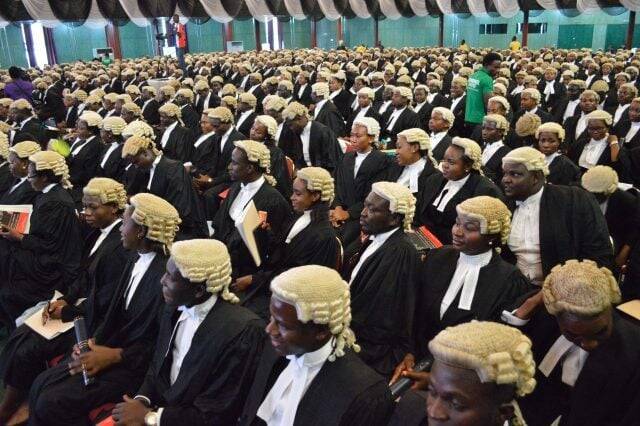
Babafemi Badejo, the national chairman of the Nigerian Bar Association (NBA) anti-corruption committee, has warned that corruption represents “professional suicide” for legal practitioners and continues to pose a serious threat to Nigeria’s institutional integrity and economic development.
Speaking in a statement released on Tuesday, Badejo emphasized that corruption within the legal profession undermines the justice system, weakens public institutions, and erodes the credibility of lawyers who are expected to uphold the rule of law. He stressed that once lawyers compromise ethical standards, they not only damage their individual careers but also contribute to broader systemic failure.
He noted that corruption has far-reaching consequences beyond the legal profession, describing it as a major factor responsible for weakening governance structures, discouraging both domestic and foreign investment, and deepening social inequality across the country. According to him, when public trust in legal and judicial institutions is eroded, the stability required for economic growth and democratic consolidation is significantly reduced.
Badejo’s comments come amid renewed calls for stronger accountability mechanisms within Nigeria’s justice system and professional bodies. The NBA has in recent years intensified internal campaigns aimed at promoting ethical compliance among its members, including disciplinary actions against lawyers found to have engaged in misconduct. These efforts are part of broader reforms seeking to restore confidence in the legal profession, which has faced criticism over instances of compromised judicial processes and professional misconduct.
He further argued that the legal profession occupies a central role in shaping governance and ensuring accountability, adding that lawyers are uniquely positioned to either strengthen or weaken democratic institutions depending on their adherence to ethical standards. In his view, corruption among legal practitioners creates a ripple effect that extends beyond courtrooms into government administration, business environments, and public service delivery.
The statement also highlighted the importance of institutional reforms that go beyond punitive measures. Badejo called for sustained ethics training, stronger enforcement of professional codes of conduct, and greater collaboration between regulatory bodies to ensure that corruption is not tolerated within the justice system. He stressed that prevention, rather than reaction, should guide anti-corruption efforts in the legal sector.
Observers note that Nigeria continues to grapple with widespread corruption challenges across multiple sectors, including public administration, law enforcement, and the judiciary. Efforts by institutions such as the Economic and Financial Crimes Commission (EFCC) and professional associations like the NBA have aimed to curb abuses, but systemic challenges and enforcement gaps remain persistent obstacles.
Within legal circles, there has been increasing recognition that restoring credibility requires both internal discipline and external oversight. Calls for transparency in judicial appointments, case handling, and professional licensing have grown louder in recent years, reflecting broader public demand for accountability.
Badejo’s warning underscores a growing consensus among reform advocates that the legal profession must take a leading role in Nigeria’s anti-corruption efforts. By framing corruption as a direct threat to professional survival, he reinforced the idea that ethical compliance is not only a legal obligation but also a critical safeguard for career longevity and institutional relevance.
As debates continue over the effectiveness of Nigeria’s anti-corruption framework, his remarks add to the pressure on professional bodies to strengthen enforcement and ensure that ethical breaches are met with swift and decisive consequences. The NBA, as the country’s leading legal association, is expected to remain central to these reform efforts as stakeholders push for a more transparent and accountable justice system.
📩 Stone Reporters News | 🌍 stonereportersnews.com
✉️ info@stonereportersnews.com | 📘 Facebook: Stone Reporters News | 🐦 X (Twitter): @StoneReportNew | 📸 Instagram: @stonereportersnews
Add comment
Comments