

Reported by Ariajegbe Sylvia Esezobor
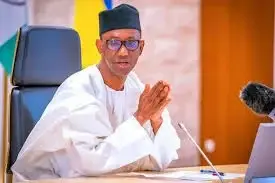
The National Security Adviser, Mallam Nuhu Ribadu, and the African Union have raised alarm over the growing use of social media platforms and cryptocurrency by terrorist groups to recruit members, radicalise vulnerable individuals and move funds across borders, warning that the digital transformation of terrorism demands a coordinated and intelligence-driven response from African states and the international community.
The warning was contained in Nigeria's position at the 1354th Virtual Meeting of the African Union Peace and Security Council at the Ministerial Level on Countering Terrorism and Violent Extremism in Africa, held on Tuesday, July 21, 2026. The Minister of Foreign Affairs, Ambassador Bianca Odumegwu-Ojukwu, who represented Nigeria, told the council that terrorist groups had become increasingly adaptive by exploiting emerging technologies, including drones and digital platforms, while relying on illicit financial networks, kidnapping for ransom and the illegal exploitation of natural resources to sustain their operations. She stressed that the growing sophistication of terrorist organisations urgently demanded coordinated, innovative and intelligence-driven responses by African states and the international community.
The minister highlighted Nigeria's experience, stating that the country had adopted a comprehensive counter-terrorism strategy that combines kinetic and non-kinetic measures. She said sustained operations had significantly degraded the operational capabilities of Boko Haram and the Islamic State West Africa Province, restored government authority in many affected communities, disrupted terrorist financing networks and facilitated the de-radicalisation, rehabilitation and reintegration of repentant former combatants. She also emphasised that addressing the root causes of violent extremism remained fundamental to achieving lasting peace and security, noting that Nigeria had continued to invest in education, critical infrastructure, youth empowerment and community resilience while engaging traditional and religious leaders, women and young people in preventing radicalisation and countering extremist narratives.
The AU's own assessments have identified virtual assets as an emerging channel for terrorist financing in Nigeria. The Nigerian Financial Intelligence Unit's Typologies Report on Terrorism Financing found that the attributes of anonymity and privacy inherent in cryptocurrency systems are what draw individuals with illicit intentions towards their use, and that the complete decentralisation of cryptocurrency offers advantages of security and convenience for entities involved in activities such as drug trafficking, arms dealing, terrorist activities, money laundering and tax evasion . The report noted that in the Nigerian context, the use of cryptocurrency is notably prevalent among the Indigenous People of Biafra, while recognising that the appeal of these attributes could make it a potential tool for other terrorist groups as well . Terrorist groups in Nigeria also derive funding from sympathisers, contributions from diaspora members, sales of souvenirs and cryptocurrency donations, alongside more traditional methods such as kidnapping for ransom, bank robberies and the imposition of taxes in areas they control .
The Financial Action Task Force's Immediate Outcome 9 mandates countries to ensure that terrorist financing offences are investigated and that persons who finance terrorism are prosecuted and subject to effective, proportionate and dissuasive sanctions . However, Nigeria has faced persistent challenges in prosecuting alleged terrorism financiers. A policy brief by the National Institute for Legislative and Democratic Studies found that although Nigerian security agencies arrested around 400 alleged financiers of Boko Haram in 2021 across multiple states, substantial delays persisted in prosecuting most of the offenders, with cases effectively stalled for several years despite alleged evidence . The brief noted that prolonged delays weaken counter-terrorism efforts, diminish deterrence, embolden criminal networks and erode public trust in security institutions .
The AU meeting endorsed recommendations aimed at strengthening intelligence-sharing and operational cooperation among member states, disrupting terrorist financing networks, enhancing the Continental Early Warning System, strengthening cybersecurity and developing continental guidelines for the responsible and ethical use of artificial intelligence in counter-terrorism efforts. Nigeria also called for stronger international cooperation to combat illicit financial flows, recover stolen assets and deny terrorist groups access to funding, logistics and other enablers of violence. The minister urged international partners to demonstrate zero tolerance for terrorism by preventing the transfer of arms, ammunition, drones, dual-use technologies and other sophisticated equipment to non-state actors.
Nigeria reaffirmed its commitment to regional cooperation through close collaboration with neighbouring countries and support for the implementation of the ECOWAS Regional Counter-Terrorism Strategy, the ECOWAS Early Warning and Response Network and the Multinational Joint Task Force, which it described as a model for regional security cooperation on the continent. The minister also called for intensified advocacy for the operationalisation of United Nations Security Council Resolution 2719 and its application to eligible African-led Peace Support Operations, including the Multinational Joint Task Force and the proposed ECOWAS Counter-Terrorism Force.
The political context of the warning is significant. The 2027 general elections are less than four months away, with the presidential and National Assembly elections scheduled for January 16, and the governorship and state assembly elections for February 6. Security has emerged as one of the central issues in the campaign, alongside the cost of living and the economy. President Bola Ahmed Tinubu is seeking a second term on the All Progressives Congress platform, while former Vice President Atiku Abubakar of the African Democratic Congress, former Anambra Governor Peter Obi of the Nigeria Democratic Congress and Oyo State Governor Seyi Makinde of the Allied Peoples Movement are among the major challengers. The government has consistently pointed to the expansion of military formations and the operational successes of security agencies as evidence of its commitment to addressing insecurity, while critics argue that attacks on communities and highways continue with alarming frequency.
For Nigeria and the wider continent, the warning from Ribadu and the AU underscores a fundamental shift in the nature of the terrorist threat. Terrorist groups no longer rely solely on physical networks and cash couriers; they exploit the same digital tools that have transformed commerce, communication and finance, using them to recruit, radicalise, fund and coordinate attacks. The response, as Nigeria argued at the AU, must be equally adaptive, combining enhanced cybersecurity, financial intelligence, regional cooperation and ethical guidelines for the use of emerging technologies in counter-terrorism. The coming months will determine whether African states can translate these commitments into the coordinated action required to deny terrorist groups the digital and financial space they have come to rely on.
📩 Stone Reporters News | 🌍 stonereportersnews.com
✉️ info@stonereportersnews.com | 📘 Facebook: Stone Reporters News | 🐦 X (Twitter): @StoneReportNew | 📸 Instagram: @stonereportersnews
Add comment
Comments