

Reported by Ariajegbe Sylvia Esezobor
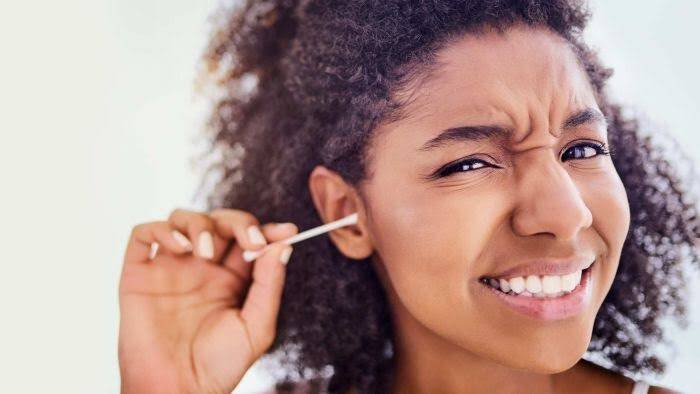
An ear, nose and throat specialist has warned Nigerians against using cotton buds to clean their ears, saying the practice pushes wax deeper into the ear canal, damages the eardrum and can cause hearing loss.
The warning was delivered during a public health sensitisation programme, where the specialist said ear wax, medically known as cerumen, is not dirt but a natural secretion that protects the ear canal from bacteria, fungi and foreign objects. "The ear is self-cleaning. You do not need to insert anything into it," the specialist said. "When you use a cotton bud, you are pushing the wax further inside, and over time, it accumulates and blocks the ear."
The warning echoes guidance from the World Health Organization, which states that the inside of the ear is self-cleaning and should not be cleaned with cotton buds or any other object. According to the WHO, cotton buds can push wax further into the ear canal and damage the eardrum, and the cotton may remain behind and cause infection. The organisation advises that only the outer part of the ear should be cleaned with a soft cloth or cotton, and that no object or fluid should be inserted into the ears unless prescribed by a health professional.
The specialist explained that ear wax has a protective function and migrates naturally out of the ear canal through a process aided by jaw movement. "Nature has a way of getting rid of wax once it finishes its function. We do not need to interfere with the process by using cotton buds," the specialist said. When cotton buds are inserted, they disrupt this natural migration pattern, causing wax to accumulate and become impacted. Impacted wax can lead to hearing loss, earache, a feeling of fullness in the ear, tinnitus and dizziness.
Beyond wax impaction, the specialist identified several other risks associated with cotton bud use. The tip of the bud can perforate the eardrum, especially if inserted too deeply or if the user's hand is jolted while the bud is in the canal. A perforated eardrum can cause conductive hearing loss and may not heal naturally, leading to chronic problems. The cotton wool itself can also detach and remain lodged in the ear canal, becoming a foreign body that serves as a focus for bacterial or fungal infection. The specialist said he had removed numerous cotton wool fragments from patients' ears over the years.
The warning is particularly directed at mothers who use cotton buds to clean their babies' ears. A separate expert at the University of Abuja Teaching Hospital has previously warned that mothers using cotton buds on their babies are exposing them to the risk of hearing loss. She explained that the brownish, creamy substance mothers try to remove is not dirt but wax, which fights bacteria and fungi and prevents the skin in the ear canal from disintegrating under the influence of water. "Nature has a way of getting rid of wax of the body, so we don't need to interfere with the process by using a cotton bud," she said.
The medical literature supports these warnings. A study published in the Journal of the Royal Society of Medicine found that ear injuries caused by cotton buds are commonly seen in ENT practice, and a significant proportion of patients surveyed were unaware that cotton buds can cause infections, wax impaction or perforations. A study of university students in Nigeria found that 98 per cent practiced self-ear cleaning, with 65 per cent using cotton buds. Of those, five participants reported ear injuries, including two perforated eardrums, with all injuries attributed to cotton buds.
The practice is deeply embedded in Nigerian culture, where many people believe that cleaning the ears with cotton buds is necessary for hygiene. A study of Nigerian youths found that 93.4 per cent practiced self-ear cleaning, and the majority believed it was beneficial. Researchers have called for health education campaigns targeted at families and schools, as well as legislation regulating the sale of cotton buds, to address the widespread misconception.
Instead of using cotton buds, the specialists recommend that individuals who experience ear blockage or discomfort should seek professional help. Ear wax that does not clear on its own can be removed by a trained healthcare professional using irrigation, microsuction or other safe methods. For those who wish to soften wax at home, olive or almond oil drops are recommended, but should not be used if there is a hole in the eardrum. "If you want to insert anything at all, insert your elbow," one surgeon advised, meaning nothing should be inserted into the ear.
The political context of the warning is less direct than its public health implications. The 2027 general elections are less than four months away, and health has emerged as a key issue in the campaign, with the government pointing to investments in healthcare infrastructure and the expansion of health insurance coverage as evidence of its commitment to improving the lives of Nigerians. However, the warning about cotton buds is a reminder that many health risks are preventable through simple behavioural changes and that public education remains an essential component of the health system. For Nigerians who have long relied on cotton buds as a routine part of personal hygiene, the message from the specialist and the WHO is clear: the ear is self-cleaning, and inserting cotton buds does more harm than good. The safest approach is to leave the ear alone and seek professional help if problems arise. As the specialist put it, nature has a way of getting rid of wax, and we do not need to interfere with the process.
📩 Stone Reporters News | 🌍 stonereportersnews.com
✉️ info@stonereportersnews.com | 📘 Facebook: Stone Reporters News | 🐦 X (Twitter): @StoneReportNew | 📸 Instagram: @stonereportersnews
Add comment
Comments