

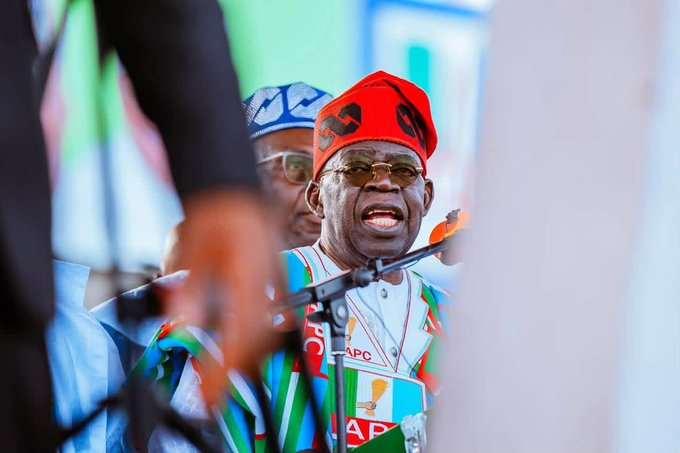
The youth wing of the All Progressives Congress (APC) in Imo State has passed a vote of confidence in President Bola Tinubu, pledging to mobilise voters across the state and the wider South-East in support of his re-election bid and other party candidates in the 2027 general elections.
The resolution emerged from a strategic stakeholders' meeting in Owerri, reported between October 29 and 31, 2026, and presided over by the state APC Youth Leader, Comrade Franklin Chukwuemeka Ibeh. Participants reaffirmed their loyalty to Tinubu, Governor Hope Uzodimma and the party's leadership while outlining plans to strengthen grassroots structures.
The group said its mobilisation would extend across Imo's 27 local government areas and 305 electoral wards. It promised to engage young voters, communicate government policies and encourage greater participation in party activities ahead of the elections.
Ibeh described the youth wing's support for Tinubu as unwavering, saying members remained committed to the President's Renewed Hope Agenda. He argued that the administration's programmes and the governor's development initiatives provided a foundation for expanding APC support.
The meeting also commended Seyi Tinubu, the President's son, and Minister of Youth Development Ayodele Olawande for their engagement with young Nigerians. Ibeh credited them with improving communication between grassroots party organisations and the federal government.
These assessments represent the party youth leadership's political position rather than independent findings about the effectiveness of government programmes.
The stakeholders resolved to strengthen local government and ward structures, improve supervision of mobilisation activities and involve younger members more directly in decision-making.
They also promised to respond to what they described as misinformation about the APC administration by publicising government projects, policies and achievements.
The resolution reflects the ruling party's efforts to consolidate its presence in the South-East, a region where electoral competition has historically involved several political parties and competing political interests.
Although the APC controls Imo State, its ability to translate state-level organisation into broader regional support will depend on voter participation, candidate selection, campaign effectiveness and public assessments of government performance.
The youth wing nevertheless expressed confidence that coordinated mobilisation could strengthen Tinubu's electoral prospects and support APC candidates seeking legislative and executive offices.
Participants praised Uzodimma, who chairs the Progressive Governors' Forum, for what they described as infrastructure development, youth engagement and efforts to strengthen party unity.
They argued that projects undertaken during his administration provided campaign issues through which the APC could seek support from residents.
However, the extent to which those projects influence voting decisions remains a matter for the electorate.
The meeting also addressed internal party discipline and political alliances, rejecting affiliations that participants considered inconsistent with APC membership.
In particular, the youth wing distanced itself from the reported Rainbow Coalition, insisting that the APC remained the only political platform it recognised in Imo State.
It warned members against political arrangements that could undermine party cohesion or weaken preparations for the coming elections.
The position illustrates concerns within the party about maintaining organisational unity as politicians and political groups consider alliances ahead of 2027.
Ibeh urged members to remain focused on the party's objectives rather than become distracted by disagreements over political associations.
The youth leadership also emphasised financial accountability, warning against the diversion of funds intended for political mobilisation.
It said officials responsible for managing campaign-related resources should account for their use and ensure that allocations reached their intended destinations.
The warning comes amid wider controversy surrounding the distribution of luxury vehicles to selected APC youth leaders.
National youth officials have defended the provision of Toyota Prado sport utility vehicles, arguing that the vehicles would improve transportation and strengthen grassroots political activities.
Critics have questioned the priorities behind the distribution, particularly during a period of economic pressure on Nigerian households.
The Imo youth wing rejected allegations that its state youth leaders had received the vehicles, describing those claims as misleading.
The differing accounts underline the importance of distinguishing between vehicles reportedly distributed to selected national or zonal officials and claims concerning individual state representatives.
Separately, national APC youth stakeholders have expressed support for the party's National Youth Leader, Dayo Israel, following disagreements over his leadership and the vehicle controversy.
Supporters credited Israel with expanding youth engagement, vocational training opportunities and organisational activities.
Other youth figures challenged aspects of his leadership, illustrating internal disagreements that the party must address while preparing for the elections.
The Imo meeting sought to present a united position despite those wider controversies.
Its emphasis on grassroots mobilisation also follows activities by other pro-Tinubu organisations operating in the state.
Earlier in October, the PBAT Door-to-Door Movement announced plans to promote the President's re-election campaign through local structures across Imo.
The group's state coordinator, Julius Egewusi, said the organisation intended to highlight federal interventions involving education, social welfare, infrastructure and skills development.
He cited student loans, cash transfers, vocational programmes and road projects as examples of initiatives that campaigners could present to voters.
Those claims were advanced by a political mobilisation organisation and should not be treated as independent verification of programme outcomes or beneficiary numbers.
The overlap between these initiatives and the youth wing's plans suggests that pro-government organisations are seeking to coordinate political messaging across communities.
However, their effectiveness will ultimately depend on whether residents consider the programmes relevant to their economic and social circumstances.
Nigeria's 2027 elections are expected to generate intense debate about living costs, employment, insecurity, infrastructure and the performance of public institutions.
Tinubu's administration has defended its economic reforms as necessary for long-term stability and investment, while opposition figures have criticised the financial pressures experienced by households.
For young voters, questions about employment opportunities, education, business development and political inclusion are likely to feature prominently in campaign discussions.
The Imo APC youth wing's pledge to increase participation therefore raises expectations that its activities will extend beyond political endorsements to substantive engagement with these concerns.
The group has not publicly provided a detailed budget, timetable or independent assessment mechanism for its proposed mobilisation programme.
Nor does its vote of confidence establish the preferences of young voters generally, including those who belong to opposition parties or remain politically unaffiliated.
Such resolutions are expressions of support by party members and do not substitute for electoral mandates.
Nevertheless, the decision demonstrates the importance the APC attaches to organised youth participation as the next general elections approach.
For Imo's political leadership, the challenge will be maintaining internal unity while persuading voters that the party's policies and candidates deserve renewed support.
For the youth wing, its stated priorities include expanding local structures, strengthening accountability and communicating the government's record.
The meeting concluded with a commitment to support Tinubu, Uzodimma and other APC candidates through coordinated grassroots activities.
Whether that mobilisation produces the electoral gains anticipated by party officials will be determined by voters when the elections take place.
📩 Stone Reporters News | 🌍 stonereportersnews.com
✉️ info@stonereportersnews.com | 📘 Facebook: Stone Reporters News | 🐦 X (Twitter): @StoneReportNew | 📸 Instagram: @stonereportersnews
Add comment
Comments