

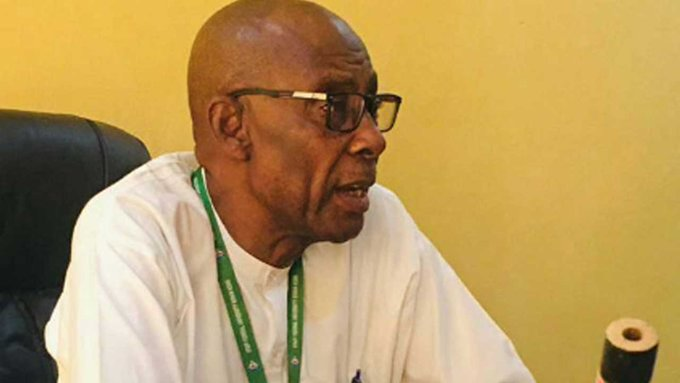
The Arewa Consultative Forum (ACF) has challenged President Bola Ahmed Tinubu's administration to acknowledge shortcomings in its economic reforms and provide Nigerians with realistic timelines for improvements in their living conditions. The influential northern sociocultural organisation argued that repeated assurances of future prosperity were insufficient without measurable progress in addressing poverty, declining purchasing power, rising household expenses and the financial difficulties confronting ordinary citizens.
The demand was made on Thursday, October 8, 2026, during an interview on ARISE Television's News Day programme by Professor Tukur Mohammed-Baba, National Publicity Secretary of the Arewa Consultative Forum. Speaking about economic conditions under President Tinubu, Mohammed-Baba criticised the government's assessment of its reform policies and questioned whether adequate consideration had been given to their consequences for Nigerian households, particularly those already experiencing severe financial difficulties.
The ACF spokesperson said the administration should openly recognise areas where its economic expectations had not materialised and explain what corrective measures would follow. He argued that acknowledging shortcomings would demonstrate accountability and provide a more credible foundation for rebuilding public confidence in government policies.
Mohammed-Baba specifically questioned the economic impact assessments undertaken before the reforms were introduced. He maintained that policymakers should have considered the circumstances of vulnerable households, including their ability to absorb increases in transportation, electricity, accommodation and other essential living expenses.
The criticism followed comments by Daniel Bwala, Special Adviser to President Tinubu on Policy Communication, who acknowledged that the administration's economic reforms had contributed to increased poverty while maintaining that significant economic progress had been achieved.
Speaking on Channels Television's Politics Today programme on Wednesday, October 7, Bwala defended the government's decisions, describing the hardship associated with economic restructuring as part of the difficult transition towards a more sustainable economy.
Mohammed-Baba responded by welcoming the acknowledgement, although his remarks carried a distinctly critical tone. He maintained that admitting the negative consequences of reforms represented only an initial step and should be accompanied by practical measures to reduce their impact.
The ACF spokesperson also challenged the administration's repeated appeals for patience, arguing that citizens deserved specific commitments rather than indefinite assurances that conditions would eventually improve.
He questioned how much additional time the government required and suggested that authorities should identify achievable objectives within clearly defined periods. According to him, some immediate interventions could be introduced within three months to demonstrate that the administration was responding to public concerns.
His criticism extended to agricultural production, where he highlighted the financial difficulties confronting farmers. Using an example of a farmer spending ₦50,000 on production but receiving only ₦40,000 from sales, Mohammed-Baba questioned the economic sustainability of agricultural activities under such conditions.
The illustration reflected his broader argument that economic policies should be evaluated through their effects on productive activities and household welfare rather than government revenue figures alone.
The organisation also expressed concern about what it considered an imbalance between the sacrifices demanded of ordinary Nigerians and those demonstrated by political leaders. Mohammed-Baba argued that public officials should show greater sensitivity to the difficulties experienced by citizens.
The disagreement comes against the background of major economic reforms introduced after Tinubu assumed office on May 29, 2023. His administration removed the longstanding petrol subsidy and pursued changes to Nigeria's foreign exchange system, measures intended to address fiscal pressures, improve market efficiency and strengthen economic stability.
Those decisions were followed by substantial increases in transportation and production costs, alongside wider inflationary pressures that reduced household purchasing power. Businesses also faced higher operating expenses, while consumers experienced rising prices for essential goods and services.
The Federal Government has consistently maintained that the reforms were necessary to address structural weaknesses inherited from previous administrations. Officials argue that maintaining costly subsidies and distorted foreign exchange arrangements would have prolonged fiscal instability and restricted resources available for national development.
In his October 1, 2026, Independence Day address, President Tinubu defended the reforms, explaining that they confronted longstanding economic weaknesses rather than creating them.
He pointed to improvements in economic growth, foreign exchange stability, public revenues and inflation indicators as evidence that the restructuring programme was producing results.
Tinubu also acknowledged that many families continued to struggle with food, school fees, medical expenses and transportation. He identified reducing living costs, improving agricultural productivity, strengthening infrastructure and expanding employment opportunities as priorities for the next phase of his administration's economic programme.
The president highlighted initiatives including direct assistance for vulnerable households, the Nigerian Education Loan Fund and consumer credit programmes as measures intended to extend economic opportunities and reduce financial pressure.
However, the ACF's position demonstrates the continuing disagreement over whether improvements in national economic indicators are translating sufficiently into better living conditions.
The organisation has previously criticised the social consequences of government economic policies. In November 2024, it warned that reforms should not deepen the poverty of the citizens they were intended to benefit, particularly in northern communities confronting economic hardship and insecurity.
Its latest intervention also comes as political organisations and public institutions increasingly assess the administration's performance ahead of the 2027 general elections.
Mohammed-Baba said the forum would consider governance, accountability, fairness and anti-corruption commitments when assessing political parties and candidates seeking public office.
He emphasised the importance of realistic political promises, warning against commitments that administrations could not reasonably fulfil within available resources and established timelines.
The World Bank has similarly acknowledged that Nigeria's economic reforms have strengthened important macroeconomic indicators while improvements in household welfare remain uneven. The distinction between economic recovery and immediate relief for vulnerable citizens remains central to discussions about the country's development priorities.
For Nigerians facing expensive transportation, electricity and housing, the debate concerns the practical consequences of government decisions. Improvements in fiscal balances or national output do not necessarily produce immediate reductions in the expenses households encounter daily.
The ACF has therefore placed particular emphasis on measurable outcomes, urging the government to explain what assistance citizens should expect, when interventions will be implemented and how progress will be assessed.
Its demands do not amount to a detailed alternative economic programme, but they establish a clear expectation that government communication should include acknowledgement of difficulties alongside evidence of improvement.
The administration, meanwhile, continues to defend the direction of its reforms and maintains that sustained implementation will support economic stability and broader prosperity.
The disagreement ultimately centres on the relationship between long-term economic restructuring and immediate public welfare. While government officials emphasise progress in stabilising the economy, the Arewa Consultative Forum is demanding greater accountability for the hardship experienced during that process.
As Nigeria approaches another election cycle, the organisation's intervention adds to scrutiny of the administration's economic record, particularly whether promised improvements can be demonstrated through affordable living costs, stronger public services and tangible relief for households.
📩 Stone Reporters News | 🌍 stonereportersnews.com ✉️ info@stonereportersnews.com | 📘 Facebook: Stone Reporters News | 🐦 X (Twitter): @StoneReportNew | 📸 Instagram: @stonereportersnews
Add comment
Comments