

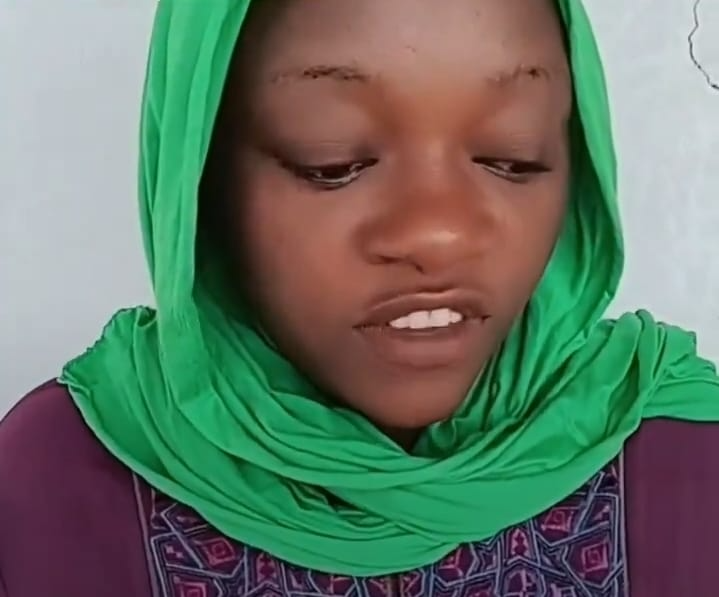
A public school teacher in Kwara State has rejected claims that she has gone into hiding following a legal dispute involving former Senate President Bukola Saraki and the Peoples Democratic Party (PDP). The controversy has intensified political disagreements over the treatment of civil servants who publicly discuss their experiences under previous administrations, with the All Progressives Congress (APC) accusing opposition figures of attempting to intimidate a teacher over her remarks.
The dispute came into public focus on Thursday, October 8, 2026, in Kwara State, following a statement by the state chapter of the APC concerning Mrs Olamide Ajia, a teacher associated with the State Universal Basic Education Board (SUBEB). The party accused Saraki and his political associates of intimidating Ajia after she reportedly discussed her experiences during the previous PDP administration on a radio programme. The APC specifically criticised a legal notice reportedly issued on Saraki's behalf.
The teacher's reported response, captured in the declaration that she was not running from anybody and that those seeking her knew where to find her, directly challenges suggestions that she had disappeared or was avoiding confrontation. However, the precise wording and circumstances of that declaration have not been independently established through an authenticated recording or statement.
The controversy concerns more than the personal disagreement between a teacher and a former political officeholder. It has revived longstanding arguments about public sector employment, teachers' salaries, political accountability and the extent to which civil servants can openly discuss their experiences under previous governments.
In its October 8 statement, the Kwara APC accused Saraki and his associates of resorting to intimidation rather than responding to criticisms of their administration's record. The party maintained that residents were entitled to recount their experiences and that disagreements over historical events should be addressed through evidence and public debate.
The APC also called on security agencies to protect citizens against intimidation and declared that it would use legitimate means to defend civil servants, including teachers, who faced threats because of their public statements.
Those accusations remain the position of the governing party. The existence of a legal notice does not, by itself, establish unlawful intimidation, and the specific allegations concerning Saraki require consideration of his response and the contents of the relevant correspondence.
Saraki, who governed Kwara State from 2003 to 2011 and served as Senate President between 2015 and 2019, remains a prominent PDP figure. His political influence has continued to feature in disputes over the performance of successive administrations, particularly the government of Governor AbdulRahman AbdulRazaq, which took office in 2019.
The historical disagreement includes allegations concerning salary arrears and conditions of service for teachers employed through SUBEB. The APC has repeatedly criticised the previous administration's management of education, while the PDP has challenged the governing party's account of the state's financial and administrative history.
In earlier public exchanges, the PDP argued that funds inherited by the AbdulRazaq administration could have been used to settle outstanding salary obligations. The APC, meanwhile, maintained that the current government had addressed longstanding payment difficulties and improved conditions for basic education teachers.
These competing claims require examination of payroll records, government financial statements and other official documents. Statements by either political party cannot independently establish the precise extent of unpaid salaries or responsibility for particular administrative decisions.
The teacher's involvement has added a personal dimension to the dispute. Unlike political officeholders, public school employees may have direct experience of salary payments, workplace conditions and administrative decisions affecting their livelihoods. Such experiences can contribute to public discussion, although individual accounts should be distinguished from comprehensive evidence about an entire administration.
The legal notice reportedly directed at Ajia also raises questions about the appropriate response to disputed public statements. Individuals who believe their reputations have been damaged may seek remedies through lawful procedures, while those receiving legal correspondence retain the right to respond, obtain representation and contest allegations.
The APC has characterised the reported notice as intimidation. That description remains an allegation rather than an established legal finding. The full contents of the notice, including the precise statements challenged and the remedies requested, have not been independently verified.
There is also no verified evidence establishing that Ajia fled Kwara State, changed her residence to avoid legal proceedings or became unavailable to authorities. Consequently, claims that she was running around or hiding should not be presented as established facts.
A separate legal confrontation between Saraki and the Kwara State Government provides additional context for the increasingly contentious political atmosphere. In June 2026, the government instituted criminal defamation proceedings against the former Senate President over comments concerning Governor AbdulRazaq's educational qualifications.
The proceedings arose from a statement Saraki published in April. His lawyers challenged the court's jurisdiction and maintained that his comments represented an exercise of freedom of expression and a right of reply.
On July 3, Justice M. O. Folorunso of the Kwara State High Court in Ilorin dismissed Saraki's preliminary objections and ruled that the court could hear the matter. The court also declined a prosecution request for a bench warrant against him.
Saraki subsequently instructed his legal representatives to challenge the jurisdiction ruling on appeal. That case is separate from the controversy involving Ajia, and its proceedings do not establish the merits of the allegations concerning the teacher.
The wider dispute illustrates how disagreements about previous governments can extend beyond elected politicians to ordinary public employees. It also underscores the importance of separating documented events, personal testimony, partisan allegations and judicial findings when assessing politically sensitive claims.
For Kwara residents, the underlying questions concern the historical treatment of teachers, accountability for public spending and whether citizens can discuss their experiences without inappropriate pressure. Resolving those questions requires evidence and opportunities for all affected parties to respond.
As of October 9, 2026, the verified public record establishes the APC's criticism of the reported legal notice against Ajia, but it does not independently confirm the alleged claim that she went into hiding or the precise circumstances of her reported denial.
The controversy therefore remains an unresolved disagreement involving political statements and a reported legal demand. Its significance lies in the continuing debate over public accountability, the protection of reputation and the ability of civil servants to participate in discussions about government performance.
📩 Stone Reporters News | 🌍 stonereportersnews.com ✉️ info@stonereportersnews.com | 📘 Facebook: Stone Reporters News | 🐦 X (Twitter): @StoneReportNew | 📸 Instagram: @stonereportersnews
Add comment
Comments