

Reported by: Althiea .P | Edited by: Bornet .k
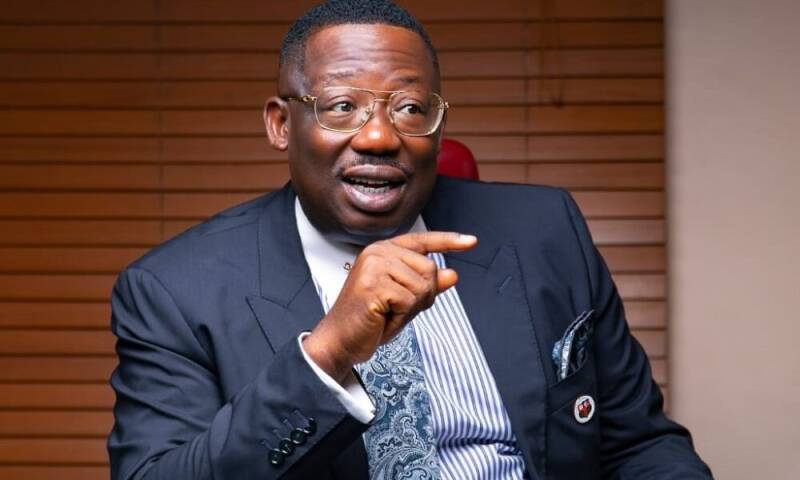
The controversy over Nigeria’s fuel subsidy policy has intensified after economic analyst and business leader Dele Kelvin Oye alleged that the Federal Government’s N17.5 trillion debt to the Nigerian National Petroleum Company Limited (NNPC) represents a continuation of the fuel subsidy system under a different description.
Oye, who is Chairman of the Alliance for Economic Research and Ethics Ltd/GTE and former President of the Organised Private Sector of Nigeria, argued that despite the government’s announcement in 2023 that petrol subsidy had been removed, the financial burden associated with subsidising fuel remains active through various accounting arrangements.
According to him, the liabilities recorded by NNPC under categories such as “energy security expenses,” “under-recovery” and other receivables from the federation amount to what he described as a hidden subsidy programme. He maintained that the arrangement has continued to place pressure on public finances while reducing the amount of revenue available to government.
The claim follows the release of NNPC’s 2024 financial statements, which showed significant obligations owed to the company by the federation. Oye said the figures demonstrated that the subsidy system had not disappeared but had instead been transformed into a more complex financial structure.
He stated that the government’s 2023 declaration of subsidy removal created expectations that Nigeria would end the long-running practice of using public funds to keep petrol prices artificially low. However, he argued that the current system still carries similar financial consequences, with liabilities continuing to accumulate.
“The subsidy did not vanish; it metamorphosed,” Oye said, arguing that the new terminology used to describe the expenses had made it difficult for Nigerians to fully understand the financial commitments involved.
The economic expert raised concerns about transparency and accountability in the petroleum sector, questioning why such large obligations had accumulated despite reforms introduced through the Petroleum Industry Act of 2021. The legislation was designed to improve governance, commercial efficiency and openness in Nigeria’s oil and gas industry.
Oye also questioned the sustainability of continuing petrol imports despite the completion of the Dangote Petroleum Refinery, which has a production capacity of 650,000 barrels per day and was expected to reduce Nigeria’s dependence on imported petroleum products.
He argued that allowing domestic refining capacity to operate effectively would help reduce foreign exchange pressures and strengthen energy security. According to him, the continued debate over fuel supply arrangements after the refinery’s commissioning highlights unresolved challenges in Nigeria’s petroleum sector.
The comments have added to ongoing national discussions about the impact of fuel pricing reforms introduced by President Bola Tinubu’s administration. The removal of petrol subsidy in May 2023 led to a sharp increase in fuel prices, transportation costs and general living expenses, triggering widespread concerns among households and businesses.
Supporters of subsidy removal have argued that the policy was necessary to reduce government spending and redirect funds towards infrastructure, social programmes and economic development. They have also maintained that previous subsidy systems were vulnerable to corruption and inefficiency.
However, critics have continued to question whether Nigerians have received sufficient benefits from the policy, particularly as inflation and the cost of essential goods have remained high.
NNPC has previously maintained that expenses classified as energy security costs are not the same as traditional fuel subsidies. The company has argued that such payments relate to broader responsibilities within Nigeria’s energy supply framework rather than a direct government subsidy on petrol prices.
Oye called for a comprehensive forensic audit of the energy security expenses and related financial claims, saying Nigerians deserve a clear explanation of the obligations being accumulated on behalf of the federation.
The debate comes at a time when Nigeria is attempting to balance economic reforms with the need to protect citizens from rising living costs. The government has repeatedly said its policies are aimed at creating a more sustainable economy, reducing dependence on oil revenues and encouraging private sector participation.
Meanwhile, business groups and economic stakeholders continue to call for greater transparency in the management of petroleum revenues, arguing that public confidence depends on clear information about government spending and financial commitments.
As Nigeria navigates the post-subsidy era, questions surrounding NNPC’s liabilities, domestic refining capacity and petroleum sector reforms are expected to remain central issues in economic discussions.
📩 Stone Reporters News | 🌍 stonereportersnews.com
✉️ info@stonereportersnews.com | 📘 Facebook: Stone Reporters News | 🐦 X (Twitter): @StoneReportNew | 📸 Instagram: @stonereportersnews
Add comment
Comments