

Reported by: Ijeoma G | Edited by: Oravbiere Osayomore Promise.
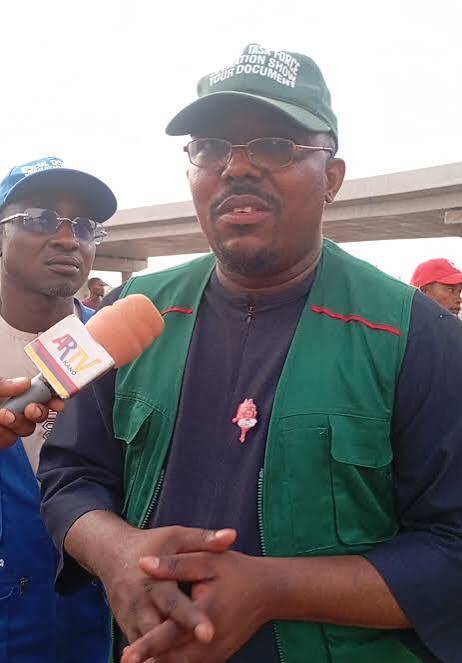
The Kano State Government has announced a total ban on hawking and scavenging activities on all bridges across the state, warning that anyone found violating the directive will face prosecution. The Chairman of the Kano State Special Taskforce on Illegal Structures, Dr. Dalhatu Aliyu Sani, gave the warning on Wednesday, July 29, 2026, during an inspection of Tal'udu Bridge as part of the committee's ongoing enforcement exercise across the Kano metropolis.
Dr. Sani directed all hawkers and scavengers operating under the bridge to leave the area immediately, stating that the government would no longer tolerate the misuse of public infrastructure. According to him, allowing people to occupy the bridges for trading and other unauthorised activities defeats the purpose for which they were built. "This place was not designated for hawking, scavenging, or as a football field. Anyone found violating these regulations will be prosecuted in accordance with the law," he said.
The enforcement exercise is aimed at reclaiming multi-billion naira public infrastructure from illegal commercial exploitation. The Tal'udu Bridge, representing a massive outlay of public capital, had progressively degenerated into a chaotic hub of informal commerce, with hundreds of hawkers, scrap metal scavengers, and unregulated traders establishing semi-permanent encampments beneath and along the flanks of the structure. The taskforce chairman stressed that the physical occupation of bridges accelerates structural wear and introduces profound safety risks for both the traders and legitimate motorists.
The taskforce chairman said the government was determined to restore order around public facilities and ensure that investments made with public funds are protected. He also urged residents to develop a better attitude towards public infrastructure, noting that cleaner and more organised cities are achieved when people obey environmental laws. "We must change our attitude, especially here in Kano, if we want to build a cleaner, safer, and more organised city," he added.
Drawing comparisons with countries that strictly enforce environmental laws, Dr. Sani noted that proper compliance with such regulations is essential to maintaining clean public spaces and preventing the misuse of government infrastructure. He cited Saudi Arabia and other developed nations as examples where strict enforcement of environmental laws makes it difficult for people to dump refuse carelessly or misuse public facilities.
The taskforce's intervention highlights a chronic administrative challenge plaguing rapid-growth cities: the encroachment of the informal economy onto critical public assets. When bridges and highways are repurposed as open-air markets, the original engineering specifications are violated. Accumulation of highly flammable refuse, illegal tapping of municipal power lines, and structural stress from unauthorised loads can drastically reduce the lifespan of concrete and steel infrastructure.
The Kano State Government has made it clear that it will not permit bridges constructed with billions of naira to be used as markets or locations for illicit activities. The taskforce chairman reaffirmed the state government's commitment to sustaining the enforcement exercise and ensuring that public facilities across Kano are preserved for their intended use. As the enforcement campaign continues across the Kano metropolis, the government has put hawkers, scavengers, and all residents on notice: the era of turning critical public infrastructure into informal markets and dumping grounds is over.
📩 Stone Reporters News | 🌍 stonereportersnews.com
✉️ info@stonereportersnews.com | 📘 Facebook: Stone Reporters News | 🐦 X (Twitter): @StoneReportNew | 📸 Instagram: @stonereportersnews
Add comment
Comments