

Reported by: Oahimire Omone Precious | Edited by: Oravbiere Osayomore Promise.
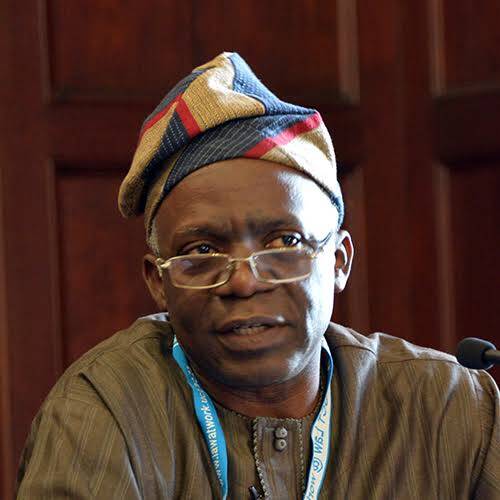
Constitutional lawyer and Senior Advocate of Nigeria, Femi Falana, has advised organised labour to broaden its struggle beyond wage increases by demanding the enforcement of existing social welfare laws that guarantee access to affordable housing, healthcare, education, and other socio-economic rights. Speaking on Tuesday, July 28, 2026, at the Second Symposium in Honour of Dr. Segun Osoba in Abuja, Falana argued that labour unions have focused too narrowly on minimum wage reviews, missing the opportunity to push for the implementation of policies and legislations that could significantly improve the living conditions of their members.
Falana specifically called on labour unions to insist on the enforcement of the National Housing Act, which allows the state to deduct three percent from the monthly wages of workers to fund a federal government-backed programme aimed at providing affordable and cheap houses for Nigerians. He lamented that an estimated 28 million Nigerians have no accommodation, let alone houses of their own. He also drew attention to the Pension Reform Act, noting that while pensioners are dying queuing for their pensions, the amount held in the pension fund account has hit N30 trillion. Rather than applying the fund to take care of retirees' entitlements, Falana said federal and state governments often resort to taking loans from the pension fund.
The legal icon criticised labour unions for seeking regular improvements in the minimum wage, describing the actions as a misplaced priority in the face of economic uncertainties. He argued that focusing solely on wage increases has robbed unions of the opportunity to also seek the enforcement of other social welfare policies and legislations that have been poorly implemented. He said: "For labour, rather than asking for minimum wage, we have tried to insist that beyond asking for improvement, labour should also insist that the National Housing Act which allows the state to deduct 3 percent from the monthly wages of workers to fund the Federal Mortgage Bank to provide affordable houses for workers".
Falana maintained that while Chapter II of the 1999 Constitution is generally regarded as non-justiciable, several Acts enacted by the National Assembly have transformed many of its socio-economic provisions into enforceable legal rights. He cited the Child Rights Act, Universal Basic Education Act, National Health Act, National Health Insurance Authority Act, National Social Investment Programme Act, and the Pension Reform Act as legislation that empowers Nigerians to hold governments accountable for the welfare of citizens. He lamented that billions of naira meant for basic education remain unaccessed because some state governments have failed to provide counterpart funding.
The symposium, themed "Segun Osoba, Radical Historiography and the Defence of the Common People," attracted academics, labour leaders, students, civil society organisations, and development partners. Prof. Jibrin Ibrahim, in his presentation, traced Nigeria's governance crisis to the gradual abandonment of nationalist ideals, arguing that the country's political elite had increasingly prioritised personal enrichment over public service.
Falana's intervention comes amid growing agitations by workers for a wage review to cushion the effect of harsh living conditions. The Nigeria Labour Congress (NLC) has declared the current N70,000 minimum wage a "poverty wage" that no longer reflects Nigeria's economic realities due to rising inflation and the increasing cost of living. Labour leaders have indicated they intend to formally open discussions with the federal government ahead of the July 2026 wage renegotiation deadline.
The human rights lawyer's call for a broader approach to workers' welfare reflects a growing recognition that wage increases alone cannot address the multifaceted challenges facing Nigerian workers. With rising inflation, soaring food prices, expensive housing, and higher healthcare expenses significantly eroding workers' purchasing power, Falana's appeal for unions to demand the enforcement of existing welfare laws offers a potential pathway to more comprehensive improvements in the living conditions of Nigerian workers. As labour unions prepare for negotiations with the government, the question remains whether they will heed Falana's advice and expand their demands beyond the minimum wage to include the full range of socio-economic rights guaranteed by Nigerian law.
📩 Stone Reporters News | 🌍 stonereportersnews.com
✉️ info@stonereportersnews.com | 📘 Facebook: Stone Reporters News | 🐦 X (Twitter): @StoneReportNew | 📸 Instagram: @stonereportersnews
Add comment
Comments