

Reported by: Ijeoma G | Edited by: Oravbiere Osayomore Promise.
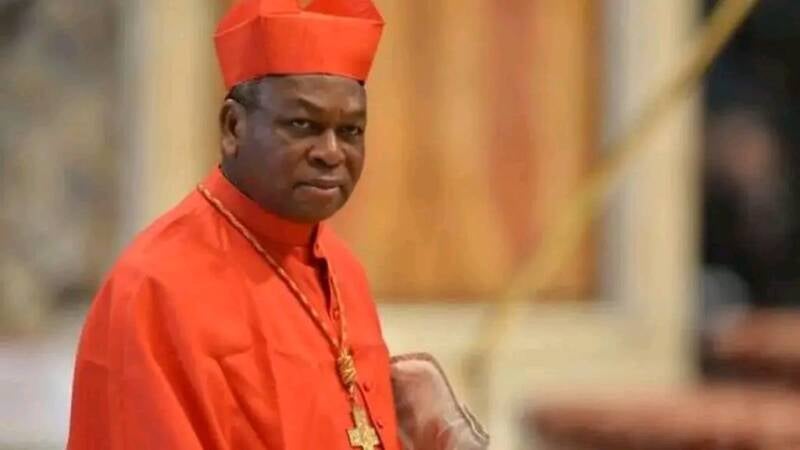
Archbishop Emeritus of the Catholic Archdiocese of Abuja, Cardinal John Onaiyekan, has revealed that President Bola Tinubu firmly rejected the concerns raised by the Catholic Bishops' Conference of Nigeria (CBCN) during a closed-door meeting at the State House, declaring that the President insisted the economy was performing well and the nation was on the right track despite the bishops' warning that "Nigeria is bleeding." Speaking on Friday, July 31, 2026, during an interview on Arise Television's Prime Time programme, Onaiyekan disclosed that the bishops had used the July 28 meeting to present what they described as the true state of the nation, which they believed differed sharply from the rosy reports often presented to the President by those around him.
The meeting, which took place on Tuesday, July 28, 2026, brought together President Tinubu and a 19-member delegation of senior Catholic clerics, including Cardinals John Onaiyekan and Peter Okpaleke, Archbishop Ignatius Kaigama of Abuja, Archbishop Alfred Martins of Lagos, Bishop Matthew Kukah of Sokoto, and other members of the conference, led by CBCN President Archbishop Matthew Ndagoso of Kaduna. According to Onaiyekan, the bishops presented a detailed memorandum reflecting the collective position of the conference after extensive consultations across the country, raising concerns about the worsening economic conditions, persistent insecurity, and what they described as the creeping danger of a one-party dominant state threatening Nigeria's democracy.
Recounting the exchange, Onaiyekan said the bishops spoke frankly about the hardships facing Nigerians and the reality of a nation in distress. "When the nation is bleeding, you cannot expect a polite meeting with the Head of State. We had to let him know," he told Arise TV. "We told him the economy is not helping our poor people; he told us the economy is doing fine. Frankly speaking, he told us quite clearly that he did not agree with us." The cardinal stressed that the bishops had no political ambitions but felt a moral duty to speak truthfully about the country's challenges rather than present an overly optimistic picture. "We are not politicians running for office. We are religious leaders who feel we have a duty—not just to preach our religious doctrines, but also to address the lives of our people," he said.
Onaiyekan revealed that the President did not respond favourably to the bishops' concerns, and that he was not surprised by Tinubu's reaction. "The President rejected our concerns about the country. Nigeria is bleeding. I was not surprised that he was not looking very happy, nor were those with him," the cardinal stated. "We knew that what we said was different from the kind of reports the President often receives from many people around him, and that is one of the things that worries us. There are so many people around Mr. President giving him a rosy picture of the country, but that is not the reality. We believe it is our duty to help him appreciate the true situation in which we find ourselves."
The cardinal's remarks come just days after President Tinubu, in his address to the bishops, declared that Nigeria had overcome its most difficult economic challenges and was now on the path to sustained stability and prosperity. The President had told the clerics: "I can tell you categorically that this country has been placed on a sound footing. The economy has recovered. The fears of bankruptcy and the dark tunnel of uncertainty we inherited have given way to renewed hope. The economy has been rescued from bankruptcy." Tinubu had also pointed to the uninterrupted academic calendar in public universities as evidence of progress, stating: "You cannot say a four-year university programme is no longer four years. ASUU is not on strike. They are no longer bringing agony into our homes. For me, that is an answered prayer."
However, Onaiyekan dismissed the President's reassurances, insisting that the bishops had a responsibility to speak the truth even when it was uncomfortable. "That was the reality we presented, even though I knew it was not what he wanted to hear, and he made his position very clear," he said. He added that the bishops were satisfied that Tinubu listened because he responded directly to the issues raised, but they were not expecting him to agree with their assessment. "We didn't expect him to agree with us. We have done our duty, we have delivered our message, and we have a feeling that somehow, along the line, somebody will show him a few of the things we said," Onaiyekan remarked.
Beyond the economy and security, the cardinal also addressed the bishops' warning against the emergence of a one-party dominant state, arguing that democracy depends on credible elections and a level playing field for all political actors. Responding to Tinubu's defence of the Independent National Electoral Commission (INEC), Onaiyekan maintained that public doubts about the commission's neutrality would persist as long as its leadership continued to be appointed by the President. He called for reforms to strengthen confidence in the electoral process and urged Tinubu to protect Nigeria's democratic institutions. "Nigerians deserved better governance, and government should focus more on solving the country's problems than celebrating its achievements," he said.
Onaiyekan also expressed concern that too few people within government were willing to tell the President the truth, describing the lack of honest feedback as a major national problem. "That is one of the things that worries us," he said, adding that the bishops deliberately presented the realities confronting Nigerians rather than offering a favourable picture of the country. The cardinal's revelations have intensified scrutiny of the Tinubu administration's engagement with religious leaders and its handling of the country's multiple crises, coming just days after the President had used the same meeting to project confidence in his economic and security policies.
The clash between the bishops and the President highlights the growing disconnect between official narratives and the lived experiences of millions of Nigerians grappling with soaring inflation, widespread insecurity, and deepening poverty. As the 2027 general elections draw closer, the Catholic bishops' intervention—and Onaiyekan's subsequent public account of the meeting—has added the moral weight of the Church to the chorus of voices demanding accountability and honest governance. For the cardinal, the message was clear: the bishops have done their duty. Whether the President will heed their warning remains to be seen.
📩 Stone Reporters News | 🌍 stonereportersnews.com
✉️ info@stonereportersnews.com | 📘 Facebook: Stone Reporters News | 🐦 X (Twitter): @StoneReportNew | 📸 Instagram: @stonereportersnews
Add comment
Comments