

Reported by: Ijeoma G | Edited by: Oravbiere Osayomore Promise.
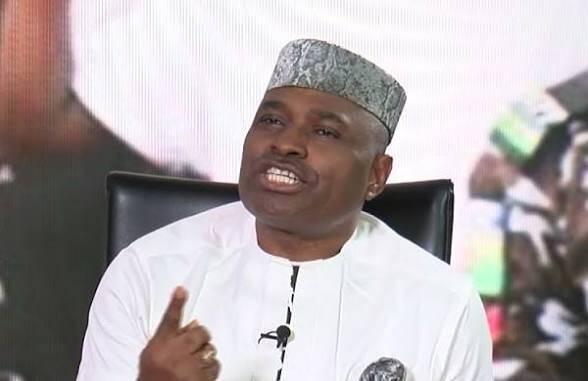
A chieftain of the African Democratic Congress (ADC), Kenneth Okonkwo, has launched a blistering attack on the National Assembly over its handling of the investigation into the controversial Presidential Foreign Intervention Promotion Council (PFIPC) scandal, describing the reported conclusion of the probe without interrogating President Bola Tinubu's Chief of Staff, Femi Gbajabiamila, and the purported Director-General of the council, Adeniyi Adeyemi, as a "rape of justice" and a "caricature of the independence of the legislature." In a strongly worded post on his X handle on Saturday, August 1, 2026, the former Nollywood actor and ADC stalwart argued that no investigation should reach conclusions without giving those accused an opportunity to respond, insisting that natural justice demands that no man be condemned unheard.
Okonkwo's intervention came amid growing public scrutiny of the PFIPC scandal, which has exposed significant vulnerabilities in Nigeria's public service system and raised questions about how a fictitious agency managed to secure official recognition, government accommodation, and a budgetary allocation of over ₦1.3 billion in the 2026 Appropriation Act. The scandal, which the Presidency has publicly disowned, has been the subject of parallel investigations by the Independent Corrupt Practices and Other Related Offences Commission (ICPC), the Nigeria Police Force, and the House of Representatives Ad Hoc Committee. However, Okonkwo expressed dismay that the National Assembly appeared to be wrapping up its inquiry without hearing from the two key figures at the centre of the controversy.
In his post, Okonkwo rejected the explanation reportedly attributed to the Inspector-General of Police, Tunji Disu, that Adeyemi could not be produced before the investigative hearing because of a court order remanding him in custody. Okonkwo dismissed the explanation as "absurd" and a violation of the separation of powers, arguing that the legislature is a separate arm of government that cannot be legitimately stopped from performing its constitutional duties by the order of another branch. He further questioned why Gbajabiamila, who is not in detention, was not invited to testify before the lawmakers, asking pointedly: "If Adeyemi is in detention, is Femi also in detention? Why did the National Assembly not question Femi, who is not in detention?"
The ADC chieftain maintained that any findings of the National Assembly that condemn Adeyemi or Gbajabiamila without hearing from them would be a nullity and laughable, adding that the legislature's handling of the matter had turned Nigeria into a joke. He urged Nigerians to use the 2027 general elections to end what he described as "insanity" by ensuring that their votes count and by holding their leaders accountable at the ballot box.
The PFIPC scandal first came to public attention in July 2026 when the Presidency issued a statement denying the existence of the council and directing the ICPC to investigate the matter. President Bola Tinubu ordered the anti-corruption agency to conduct a thorough investigation into the activities of the "Presidential Foreign Intervention Promotion Council" and all related matters, directing that the investigation be concluded and a comprehensive report submitted to him within 30 days. The President's directive followed the discovery of the fictitious PFIPC, which he said was never established by the Federal Government and had no basis in any law, presidential instrument, executive approval, or other lawful act of government.
The investigation revealed that the purported agency had obtained office accommodation within the Federal Secretariat in Abuja, appeared in official government documents, secured budgetary provisions, opened accounts with the Central Bank of Nigeria and other financial institutions, and had public servants posted to work with it. The controversy deepened after Adeyemi alleged that he paid ₦400 million to a person he believed to be Gbajabiamila in exchange for an appointment letter naming him as head of the council. Gbajabiamila has consistently denied the allegations, describing them as false and defamatory, and has filed a defamation suit against Adeyemi. The ICPC has since questioned Gbajabiamila, who voluntarily appeared before the commission on July 20, 2026, and provided his testimony. However, Okonkwo's criticism suggests that the National Assembly's probe has not been sufficiently thorough or transparent, and that the legislature has failed to exercise its constitutional oversight functions effectively.
Okonkwo's blistering critique of the National Assembly adds to the growing chorus of voices demanding accountability over the PFIPC scandal, and his call for Nigerians to use the 2027 elections to punish lawmakers who fail to uphold their constitutional duties has resonated with many who are frustrated with the apparent impunity with which the scandal has been handled. As the investigation continues and the various probes unfold, the pressure on the National Assembly to demonstrate fairness, transparency, and a commitment to due process has never been greater. For Okonkwo, the message is clear: the legislature cannot claim to be an independent arm of government while failing to assert its authority and hold the executive accountable, and Nigerians must be prepared to wield their power at the ballot box to end the culture of impunity that has come to define the country's political landscape.
📩 Stone Reporters News | 🌍 stonereportersnews.com
✉️ info@stonereportersnews.com | 📘 Facebook: Stone Reporters News | 🐦 X (Twitter): @StoneReportNew | 📸 Instagram: @stonereportersnews
Add comment
Comments