

Reported by: Ijeoma G | Edited by: Oravbiere Osayomore Promise.
A fresh wave of tension has gripped the Maraba area, a satellite town on the outskirts of Abuja, as members of the proscribed Islamic Movement of Nigeria (IMN), popularly known as Shiites, commenced a nationwide protest on Monday, August 3, 2026. The protest, which has drawn the attention of security agencies, is believed to be linked to the health challenges of the group's embattled leader, Sheikh Ibrahim El-Zakzaky, who has been in detention for several years.
Intelligence sources confirmed that the IMN had mobilised its members for a coordinated action across the country, with Maraba—a busy commercial and residential hub straddling the Federal Capital Territory and Nasarawa State—identified as one of the key flashpoints. The protest comes just weeks after a Federal High Court in Abuja dismissed charges against 35 Shiite members who were arrested during a previous demonstration, a ruling that had temporarily eased tensions. However, the group's leadership has continued to push for the release of El-Zakzaky and his wife, who have been held in custody despite multiple court orders granting them bail.
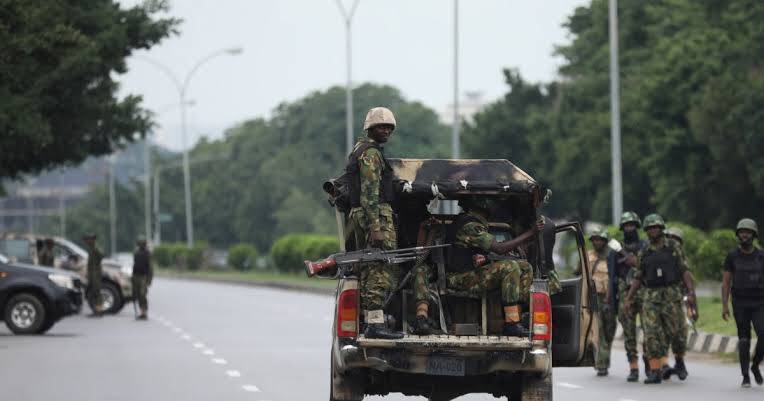
In Maraba, early reports indicated that protesters gathered at strategic locations along the Nyanya-Mararaba Expressway, a major arterial road that connects the FCT to the North-Central region. The protest caused significant traffic disruptions, with commercial vehicles and private cars forced to divert to alternative routes. Security operatives, including armed police officers and personnel from other agencies, were deployed to the area to prevent a breakdown of law and order. The heavy presence of security personnel along the Mararaba–Nyanya axis has been a recurring feature of Shiite protests, with authorities often mounting roadblocks and conducting vehicle searches to prevent violence.
The IMN, which has been outlawed by the Nigerian government since 2019 for advocating an Islamic revolution, has a history of clashing with security forces during its processions. In previous protests, members have been accused of blocking roads, burning flags, and engaging in confrontations with the police, leading to casualties on both sides. The group, however, insists that its demonstrations are peaceful and aimed at drawing attention to the plight of its leader and the broader cause of social justice.
Residents of Maraba and neighbouring communities have expressed frustration over the recurring protests, which often leave them stranded and unable to go about their daily activities. In past incidents, residents of Maraba and Nyanya were forced to trek long distances after commercial vehicles stayed off the roads due to the protests. The situation has led to calls for the government to find a lasting solution to the crisis, either by releasing El-Zakzaky or by engaging in meaningful dialogue with the group's leadership.
As the protest continues, security agencies have warned against any attempt to disrupt public peace. The Inspector-General of Police has reiterated that the IMN remains proscribed, and any gathering by the group is illegal. Troops have also been placed on standby in some states to prevent the protest from escalating into violence. However, the group's members have shown resilience in the past, often defying bans and security deployments to hold their processions.
The situation in Maraba remains fluid, with no official casualty figures or arrests reported as of the time of this update. However, the protest has once again highlighted the unresolved tensions between the Shiite movement and the Nigerian state, a conflict that has persisted for over a decade. For the residents of Maraba, the day has brought yet another disruption to their already challenging lives, as they navigate the intersection of political activism and daily survival.
📩 Stone Reporters News | 🌍 stonereportersnews.com
✉️ info@stonereportersnews.com | 📘 Facebook: Stone Reporters News | 🐦 X (Twitter): @StoneReportNew | 📸 Instagram: @stonereportersnews
Add comment
Comments