

Reported by: Oahimire Omone Precious | Edited by: Oravbiere Osayomore Promise.
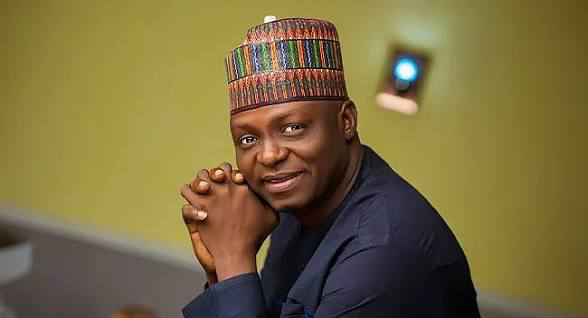
The ghost of the Osun State governorship election defeat is casting a long shadow over the All Progressives Congress as the party's National Chairman, Professor Nentawe Yilwatda, made an unprecedented public apology to aggrieved members and stakeholders in Oyo State on Thursday, August 20, 2026, in what political observers see as a desperate move to prevent a repeat of the devastating loss that still stings the ruling party. Yilwatda, speaking during the inauguration of the APC campaign office in Ibadan, accepted full responsibility for the party's internal processes that left many aspirants feeling excluded, hurt or unfairly treated during the recent primary elections. The apology, broadcast on national television, marked a significant departure from the party's usual defensive posture and came just days after the APC suffered a humiliating defeat in the Osun governorship election held on August 15, 2026.
The timing of Yilwatda's apology is impossible to ignore. Just four days before his Ibadan address, the Independent National Electoral Commission had declared Governor Ademola Adeleke of the Accord Party the winner of the Osun governorship election, with the incumbent polling 511,067 votes to defeat the APC candidate, Bola Oyebamiji, who managed 444,815 votes. Adeleke won in 19 of the state's 30 local government areas, while the APC could only muster victory in 11. The defeat was particularly damaging because it exposed deep internal divisions within the Osun APC, where stakeholders have since blamed former Governor Gboyega Oyetola's alleged exclusionary appointments and unilateral candidate selection for the party's poor performance. In an open letter to President Bola Tinubu dated August 18, the Osun APC Stakeholders Forum argued that the party's loss was principally due to Oyetola's concentration of federal appointments among his allies and kinsmen while marginalising other critical tendencies within the party.
Yilwatda's apology in Oyo appears to be a direct response to the Osun debacle, with the national chairman seemingly determined to avoid a repeat of the same mistakes that cost the party a crucial state. "If anybody is hurt, if anybody is injured, if anybody is prevented or excluded in any form or the other, we take responsibility," Yilwatda declared, adding, "On TV, before Nigerians, we take responsibility for all that has happened. I appeal to everybody that we are sorry". The national chairman urged members at the polling unit, ward and local government levels to treat the disagreements as an internal family matter and prioritise reconciliation and unity ahead of the 2027 general elections. He also assured Oyo APC stakeholders that the national leadership was taking the state seriously because of its strategic importance and large voting population, which he said was second only to Lagos.
The crisis in Oyo State stems from the party's recent primary elections, which saw Senator Sharafadeen Alli emerge as the governorship candidate. However, some aspirants have alleged that the process was flawed and that Alli's candidacy was imposed on them, leading to divisions and discontent within the state chapter. The aggrieved aspirants have expressed their grievances to the party's national leadership, calling for a review of the primary process and greater transparency in the selection of candidates. Yilwatda's apology and acceptance of responsibility mark a significant shift in the party's approach to the crisis, as the APC seeks to heal internal wounds and present a united front ahead of the 2027 elections. The national chairman's decision to publicly apologise and take responsibility for the mistakes of the party's internal processes suggests a recognition that the party cannot afford another Osun-style defeat, particularly in a state as strategically important as Oyo.
The Osun election has clearly shaken the APC leadership to its core. Beyond the numerical defeat, the party's loss in Osun exposed fundamental weaknesses in its internal cohesion and candidate selection processes. The allegations of exclusion and marginalisation that have emerged from Osun are strikingly similar to the grievances now being voiced by aggrieved aspirants in Oyo. In both states, the party's internal processes have been criticised for being dominated by a small group of powerful individuals who allegedly imposed candidates without adequate consultation with the broader party base. The Osun APC Stakeholders Forum's letter to President Tinubu specifically highlighted how the alleged pattern of exclusion alienated the party's grassroots and deprived it of support from critical stakeholders and communities across the state's three senatorial districts. This is precisely the scenario that Yilwatda appears determined to prevent in Oyo.
The APC governorship candidate in Oyo State, Senator Sharafadeen Alli, commended Yilwatda for fulfilling commitments made during his engagement with governorship aspirants and other stakeholders. Alli said Yilwatda's intervention had produced significant progress within two days, describing the development as beyond what stakeholders had previously been able to achieve. "We cannot thank you enough for what you have come to do. What you have achieved successfully in two days, we have not been able to accomplish," Alli said. He assured the national chairman that the Oyo APC would continue to work towards strengthening the party and securing victory in the 2027 elections. However, the absence of some key stakeholders, including 2023 governorship candidate Teslim Folarin and former deputy governor Adebayo Adelabu, from the reconciliation meeting raises questions about whether the apology will be sufficient to heal the deep wounds within the Oyo APC.
Political analysts have noted that the APC's internal disputes in Oyo State are not isolated, as the party has faced similar challenges in other states following the conduct of primary elections. The National Working Committee has been under pressure to address the grievances of aggrieved members and ensure that the party remains united ahead of the 2027 general elections. Yilwatda's public apology and acceptance of responsibility signal a willingness by the party leadership to acknowledge mistakes and work towards resolving the grievances of its members. However, the true test of the party's commitment to reconciliation will be in its actions, not just its words. The APC must demonstrate that it is serious about addressing the grievances of its members and ensuring that the party's internal processes are transparent, fair, and inclusive. The Oyo crisis serves as a reminder of the challenges facing political parties in Nigeria, where internal disputes often threaten to undermine electoral prospects and weaken democratic institutions.
As the APC moves towards the 2027 elections, the party's leadership will be closely watched to see how it manages internal disputes and maintains cohesion among its diverse factions. Yilwatda's apology and acceptance of responsibility represent a significant moment in the party's history, demonstrating a willingness to acknowledge mistakes and seek forgiveness from aggrieved members. However, the shadow of Osun looms large, and the party's ability to resolve the crisis in Oyo will be a test of its leadership and its commitment to internal democracy. The APC cannot afford another defeat like the one suffered in Osun, and Yilwatda's apology appears to be a recognition of this uncomfortable truth. Whether the aggrieved members of the Oyo APC will accept the apology and work towards unity remains to be seen, but one thing is clear: the party's leadership has finally acknowledged that internal discord comes at a heavy electoral price.
📩 Stone Reporters News | 🌍 stonereportersnews.com
✉️ info@stonereportersnews.com | 📘 Facebook: Stone Reporters News | 🐦 X (Twitter): @StoneReportNew | 📸 Instagram: @stonereportersnews
Add comment
Comments