

Reported by: Oahimire Omone Precious | Edited by: Oravbiere Osayomore Promise.
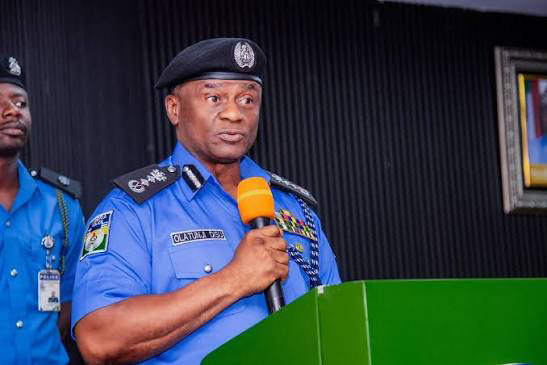
The Inspector-General of Police, Olatunji Rilwan Disu, has issued a stark and unequivocal warning to political actors across Nigeria, declaring that the police will not tolerate the recruitment or mobilisation of young Nigerians for political violence, thuggery, or intimidation ahead of the 2027 general elections. Disu delivered the warning on Thursday, August 20, 2026, while declaring open the National Youth Leadership and Security Dialogue at the Police Resource Centre in Jabi, Abuja. The three-day event, themed "Different Contexts, Common Aspirations," was organised by the Nigeria Police Force to commemorate the 2026 International Youth Day under the National Youth Security and Peacebuilding Initiative. The IGP's remarks come against the backdrop of rising political tensions and recent pre-election violence in Osun State, where multiple fatalities were recorded in the build-up to the August 15 governorship election.
In a direct and unflinching address to political leaders, Disu appealed to them to refrain from using young Nigerians as instruments of destruction. "I therefore appeal to political leaders and actors across the political spectrum: do not recruit our young people to fight your political battles. Do not arm them. Do not finance violence. Do not incite them against their fellow citizens. Do not encourage them to commit crimes today and promise to protect them tomorrow," he said. The police chief stressed that Nigeria cannot build a secure and prosperous future by destroying the generation expected to inherit that future. He warned that the police would not protect acts of violence committed under the guise of political participation, and that the law would take its course against anyone who crosses that line.
Disu's warning extended beyond physical confrontations to the digital space, where he said political violence has evolved into new forms. "It can begin on a smartphone. Misinformation, disinformation, hate speech, cyberbullying, impersonation, deepfakes, online intimidation, and coordinated digital attacks," he said. "These are increasingly capable of damaging reputations, inflaming communities, provoking real-world violence and undermining public confidence in democratic institutions." The IGP urged young Nigerians to see their digital footprints as part of their citizenship, advising them to verify information before forwarding messages, establish facts before publishing allegations, and remember that there is a human being behind every screen. "Before you share inflammatory content, ask yourself one question: 'Will this build Nigeria or burn Nigeria?'" he charged.
The police chief also reminded youths that politicians who contest elections may eventually reconcile after campaigns, but young people bear the permanent consequences of electoral violence. "When the campaign is over, political actors may reconcile. When political rivals disagree, they may eventually shake hands. But the young Nigerian who loses his or her life to electoral violence does not return home. The person who is arrested must face the law. The person permanently injured carries the scars. The family whose property is destroyed bears the loss," Disu said. He urged youths not to allow anyone to use their youth to fight a battle that ultimately destroys their own future, emphasising that politicians contest elections, but young people live with the consequences of those elections.
The IGP's warning comes amid growing concerns over the use of youths as political thugs and enforcers in Nigeria's electoral processes. The recent Osun governorship election, which saw Governor Ademola Adeleke re-elected, was marred by violence that resulted in multiple deaths and injuries. The police have, however, insisted that the various clashes and killings were cult-related rather than politically motivated, a position that has been disputed by opposition parties and civil society organisations. The IGP's reference to the Osun violence in his address underscored the urgency of his warning and the need for proactive measures to prevent a recurrence in the 2027 elections.
Disu also cautioned youths against allowing themselves to be used as tools for political thuggery, stressing that they would bear the consequences long after politicians had settled their differences. He outlined five key directives for young Nigerians: do not allow yourself to be recruited for violence; do not carry a weapon for anybody's political ambition; do not become an instrument of misinformation, hate or digital intimidation; participate actively, peacefully and lawfully in democracy; and protect your future, because your future is Nigeria's future. The IGP said the police had a responsibility to provide a safe and peaceful environment for citizens to exercise their rights and participate in free, fair and credible elections, but warned that the police would not protect acts of violence committed under the guise of political participation.
The National Youth Leadership and Security Dialogue, which brought together youths, security stakeholders and government officials, was designed to build a partnership between the police and young Nigerians. Disu said the programme was not simply about telling young people what not to do, but about building a partnership that provides them with constructive alternatives. He said the Nigeria Police Force wanted to engage youths as partners in building safer communities, preventing violence, combating cybercrime, promoting responsible digital citizenship, protecting vulnerable persons and strengthening peaceful democratic participation. The IGP also launched the police campaign, "Think Before You Click. Verify Before You Share," urging young Nigerians to verify information before sharing it.
In his goodwill message, the Minister of the Federal Capital Territory, Nyesom Wike, represented by Adamu Gwari, commended Disu for creating opportunities for young Nigerians to contribute to national development. The Minister of Youth Development, Ayodele Olawande, represented by Despan Kwardem, praised the IGP for recognising youth development as a national security priority. The National President of the National Association of Nigerian Students, Comrade Akinteye Babatunde Afeez, commended the Nigeria Police Force for bringing youths and security stakeholders together, saying dialogue, mutual respect and community partnership were essential to building trust and sustainable peace. The Force Public Relations Officer, CSP Anietie Iniedu, said engaging young Nigerians was part of the Force's non-kinetic operations, stressing that modern policing was impossible without the cooperation of the people.
The IGP's warning has drawn mixed reactions from political stakeholders. While some have applauded the police chief for taking a firm stance against political violence, others have expressed skepticism about the police's ability to enforce the warning given the history of political thuggery in Nigeria's electoral processes. The police have, however, insisted that they are committed to ensuring a peaceful and credible electoral process in 2027, and that anyone found guilty of recruiting youths for political violence will face the full weight of the law. As the country prepares for the 2027 elections, the IGP's warning serves as a reminder that the stakes are high, and that the police will not hesitate to act against those who threaten the peace and stability of the nation.
📩 Stone Reporters News | 🌍 stonereportersnews.com
✉️ info@stonereportersnews.com | 📘 Facebook: Stone Reporters News | 🐦 X (Twitter): @StoneReportNew | 📸 Instagram: @stonereportersnews
Add comment
Comments