

Reported by: Oahimire Omone Precious | Edited by: Oravbiere Osayomore Promise.
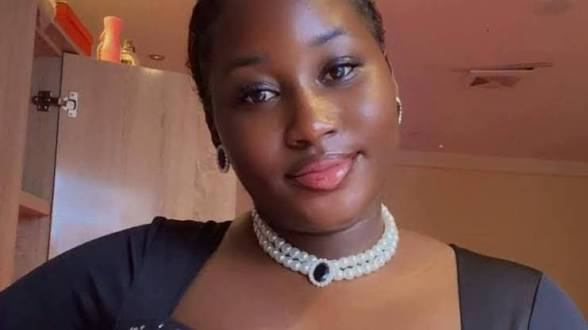
The body of Miss Mary Habila, the 26-year-old nurse who died under controversial circumstances at the country home of Minister of Works Senator David Umahi in June 2026, has been quietly laid to rest in Kaduna State, ending a weeks-long legal and medical standoff that pitted her grieving family against the police and the minister over the conduct of an autopsy. The burial, which took place on Friday, July 17, 2026, at the Deeper Life Bible Church in Nok, Jaba Local Government Area of Kaduna State, was conducted without the post-mortem examination demanded by both the Ebonyi State Police Command and the minister to determine the exact cause of her death. And this was confirmed by Sahara Reporters today.
The quiet interment marks a somber conclusion to a case that sparked widespread public outrage, raised uncomfortable questions about the conduct of public officials, and exposed the deep chasm between family tradition, investigative procedure, and the pursuit of justice in Nigeria.
Habila, a staff member of the David Umahi Federal University of Medical Sciences who was on secondment to the Federal Ministry of Works as a physiotherapist, died on June 27, 2026, in a guest house within the minister's sprawling residence in Umunaga, Uburu, Ohaozara Local Government Area of Ebonyi State. She was one of two young women from Kaduna State who had accompanied the minister to his hometown. According to police reports, a distress call was made to the Ohaozara Divisional Police Officer on the day of the incident, reporting a medical emergency involving Habila. However, by the time the DPO arrived at the David Umahi Federal Teaching Hospital, Uburu, she had already been certified dead. The police immediately transferred the case to the State Criminal Investigation Department for a thorough investigation.
From the outset, the case was mired in controversy. Minister Umahi, through his lawyers, formally requested that the Nigeria Police Force conduct a comprehensive forensic autopsy on Habila before her body was released for burial. In a letter made public on July 16, the minister urged the police to engage qualified forensic pathologists to establish the actual cause of death, stressing that the building where she died was separate from his personal apartment and was used to accommodate staff. He also requested that the police withhold the release of her remains to her next of kin, pending the conclusion of the autopsy and other investigations, a move aimed at preserving the integrity of the inquiry and preventing speculation. The Ebonyi State Police Command supported this position, insisting that the examination was necessary given the sensitive nature of the case and the imperative of establishing the true cause of death.
However, the family of the deceased, led by her father, Mr. Tanko Habila Wisdom, vehemently opposed the autopsy. In an affidavit filed before the High Court of Justice, Ebonyi State, the father rejected the police's plans and withdrew from further investigation into his daughter's death. He stated that while he welcomed steps to unravel the cause of death, his family would not accept any procedure that would leave her body and organs intact for cultural and religious reasons. He further requested the immediate release of his daughter's body for burial, adding that the family did not suspect any foul play. The father's lawyer, Kaile Adamu Yusuf, later explained that the family's decision was rooted in deep-seated cultural and traditional beliefs, and lamented that the tragedy had become unnecessarily politicised.
The standoff between the police and the family created a legal and procedural deadlock that lasted for weeks. The police argued that they were awaiting the attendance of the family or their representative before the post-mortem could proceed. The family, in turn, petitioned the Inspector General of Police, demanding the release of their daughter's corpse and threatening legal action against the Ebonyi State Police Commissioner. The controversy took another dramatic turn when the Southern Kaduna Peoples United Association (SOKAPU) intervened, filing a fundamental rights enforcement suit against Minister Umahi at the High Court of Kaduna State, Kafanchan Judicial Division. SOKAPU argued that the failure to conduct a prompt and independent autopsy violated Habila's constitutional right to life under Section 33 of the 1999 Constitution. The group sought an order compelling the authorities to ensure an independent autopsy by a joint team of pathologists from Ahmadu Bello University Teaching Hospital, Zaria; the University College Hospital, Ibadan; and the National Hospital, Abuja. In a significant move, SOKAPU also sought N20 billion in damages against Umahi, alleging negligence and breach of his duty of care while the deceased was allegedly under his custody.
Despite the pending legal action and police insistence, the family proceeded with the burial on July 17. The quiet ceremony in Kaduna effectively ended any possibility of a forensic examination, leaving the exact circumstances of Habila's death unresolved and shrouded in speculation. The case has drawn sharp criticism from civil society and legal observers, who argue that the hurried burial without an independent medical examination has denied the family, the public, and the justice system the opportunity to establish the truth. Questions over how a young, healthy nurse could die in the residence of a high-ranking government official, and why her body was allegedly found naked, continue to linger, fueling public distrust and demands for accountability.
Minister Umahi, who has maintained that the guest house was separate from his personal residence and that he requested the autopsy to ensure transparency, has not been formally charged with any offence. The police investigation remains open, but with the subject of the inquiry now buried, the prospects of a conclusive determination of the facts appear slim. For the family of Mary Habila, the burial brings a painful closure to their personal loss, but for the Nigerian public, the case stands as a troubling reminder of the power of influence, the fragility of justice, and the enduring silence that often surrounds the deaths of ordinary citizens in the homes of the powerful. As the legal battles wind down, the question remains: who will speak for Mary Habila now?
📩 Stone Reporters News | 🌍 stonereportersnews.com
✉️ info@stonereportersnews.com | 📘 Facebook: Stone Reporters News | 🐦 X (Twitter): @StoneReportNew | 📸 Instagram: @stonereportersnews
Add comment
Comments