

Reported by: Ijeoma G | Edited by: Oravbiere Osayomore Promise.
The product is called Ready-to-Use Therapeutic Food. In Katsina, they call it “Yar Kwamaso.” It comes in sachets, a thick, peanut-based paste that is packed with the calories, protein, and micronutrients that a severely malnourished child needs to survive. It is not sold in shops. It is not available in markets. It is distributed free of charge through government hospitals and primary healthcare centres, funded by the Federal Government, UNICEF, and international donor agencies, and given under strict medical supervision to children under five who are teetering on the edge of death. It is, in the most literal sense, a life-saving intervention. And according to the Katsina State Police Command, it is being stolen and sold to the highest bidder.
The investigation began on August 26, 2026, when surveillance officers attached to the Batagarawa Division intercepted a man named Muhammad Aliyu. He was found in possession of three sacks containing 1,500 sachets of RUTF. During interrogation, he allegedly confessed to obtaining the items from a clinic staff member named Zaharaddini Musa, who is currently at large. That arrest, which was reported at the time, was the first crack in what authorities now describe as a criminal network involved in the diversion of humanitarian health supplies. But it was not the end of the story. It was the beginning.
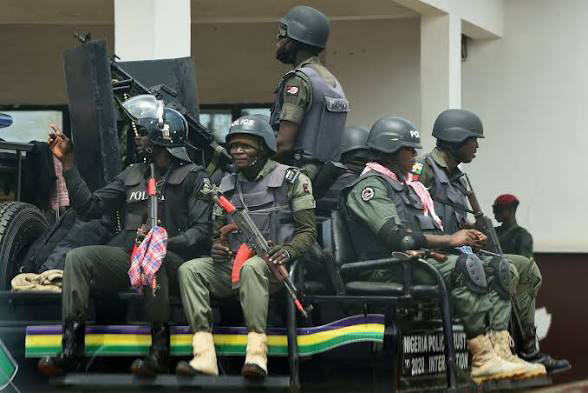
On September 3, 2026, at about 8 p.m., operatives acting on intelligence arrested a 46-year-old woman, Amina Abdurrahman, at Mobil Quarters in Katsina. She was allegedly found with two sacks containing 600 sachets of suspected diverted RUTF. The police said she told investigators that she had bought the products from an accomplice who is still at large in the Kofar Marusa area of the city. Then, on September 7, at about 5 p.m., a joint operation by the police and the Joint Taskforce Committee on RUTF led to raids at Mashi Market in Mashi Local Government Area and Kwado Quarters in Katsina metropolis. Eight additional suspects were arrested: Aisha Rabi’u, Jamila Yahaya, Farida Kabir, Shafa’atu Abubakar, Sabiu Kabir, Rabilu Rabi’u, Maryam Kabir, and Buhari Usman. Police recovered 888 sachets from seven of the suspects at Mashi Market and another 136 sachets from Usman at Kwado Quarters.
The numbers tell their own story. In total, 1,624 sachets of diverted RUTF have been recovered across these operations. Nine suspects are in custody. And the principal supplier, Zaharaddini Musa, is still on the run. The Commissioner of Police, CP Ali Umar Fage, has ordered a thorough investigation to uncover the source, supply chain, and networks allegedly involved in diverting therapeutic food intended for public health and malnutrition interventions. The suspects will be arraigned in court upon the conclusion of the investigation. But the implications of their alleged crimes extend far beyond the courtroom.
Katsina State has one of the highest rates of child malnutrition in Nigeria. According to UNICEF, millions of Nigerian children suffer from acute malnutrition, and hundreds of thousands die each year from causes linked to hunger and nutrient deficiencies. The RUTF that was allegedly diverted was not surplus stock. It was not expired product. It was not destined for a warehouse where it would sit unused. It was meant for children who are already fighting for their lives, children whose bodies have been ravaged by poverty and food insecurity, children whose parents have brought them to clinics because they have nowhere else to turn. Every sachet that ended up in a market stall instead of a child's hands represents a missed meal, a missed chance at recovery, and in some cases, a missed chance at survival. The police have made this clear. “RUTF is strictly not for sale,” the Command said in its statement. “It is a specialised medical nutrition product designed exclusively for vulnerable children suffering from severe malnutrition.”
The Command has warned traders and vendors against buying, selling, or handling diverted government medical and nutrition supplies, adding that anyone found involved would face the full extent of the law. The warning is necessary, but it is not enough. The arrests in Katsina are a positive development, a sign that the police and the state government are taking the diversion of humanitarian aid seriously. But they also raise uncomfortable questions. How long has this network been operating? How many sachets have already been sold and consumed by children who were not supposed to receive them, or by adults who bought them as a cheap source of protein? Who else is involved? And perhaps most importantly, how many malnourished children in Katsina have been deprived of treatment because the food that was meant for them was stolen and sold?
The diversion of RUTF is not a victimless crime. It is a theft from the most vulnerable members of society, committed by people who have found a way to profit from the suffering of children. The nine suspects in custody are entitled to the presumption of innocence, and the courts will determine their guilt or innocence. But the evidence recovered so far, the confessions, the quantity of the product, and the locations where it was found, paints a picture of a network that operated with confidence and impunity. The police have promised a thorough investigation. The people of Katsina, and the children whose lives depend on the integrity of the distribution system, deserve nothing less. The sachets are in police custody now. The question is whether the system that failed to protect them will be fixed before the next batch of life-saving food disappears into the market.
📩 Stone Reporters News | 🌍 stonereportersnews.com
✉️ info@stonereportersnews.com | 📘 Facebook: Stone Reporters News | 🐦 X (Twitter): @StoneReportNew | 📸 Instagram: @stonereportersnews
Add comment
Comments