

Reported by: Ijeoma G | Edited by: Oravbiere Osayomore Promise.
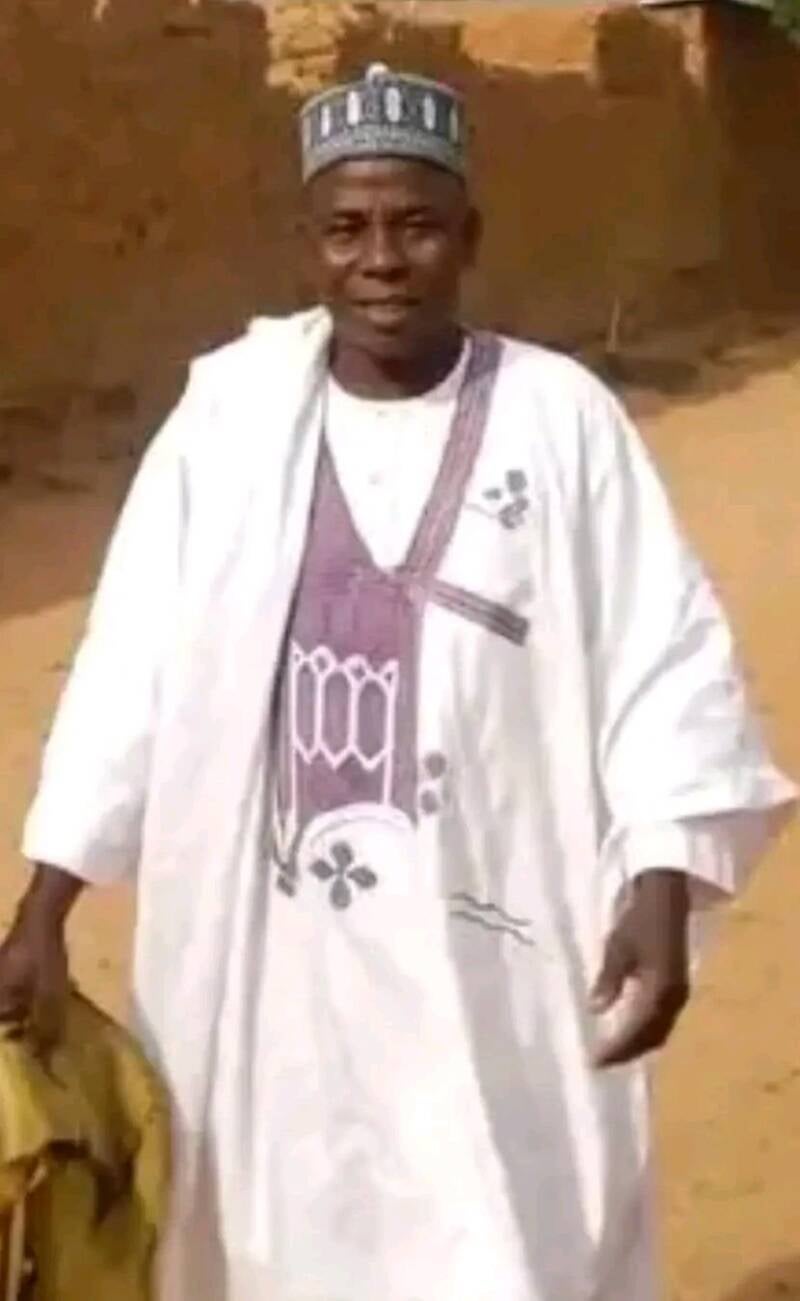
Malam Ahmed Basiru had done everything right. He had spent time in Lagos, working as a driver, far from his family and his community. On Saturday evening, September 12, 2026, he finally made it back to Kano State. He arrived at Yari Motor Park after Isha prayer, exhausted from the long journey but no doubt eager to see his loved ones. He boarded an Okada from the Makarfi Bypass to complete the final leg of his journey home to Fulatan community in Rogo Local Government Area. He never made it. Minutes after he set off on the motorcycle, suspected bandits attacked him and the Okada rider along the Makarfi Road, shooting both men dead and fleeing with the motorcycle. By Sunday morning, Malam Basiru was being buried in Fulatan community in accordance with Islamic rites. The Okada rider's body was also recovered, but his name has not yet been made public.
The police have launched a manhunt for the attackers, but no arrests have been announced. The identities of the gunmen remain unknown, and the circumstances surrounding the attack—whether it was a targeted ambush or a random attack on travellers—have not been established. What is clear is that Malam Basiru, a man who had travelled hundreds of kilometres to reunite with his family, was killed within minutes of arriving in the state he called home. The Okada rider, a commercial motorcyclist simply trying to earn a living by ferrying a passenger, was killed alongside him. The attackers took the motorcycle and disappeared into the night.
The killing of Malam Basiru and the Okada rider is not an isolated incident. Rogo Local Government Area has become a flashpoint for bandit violence in Kano State, with a series of attacks recorded in recent weeks. On September 1, 2026, suspected bandits abducted the Chairman of the All Progressives Congress in Rogo Local Government Area, Alhaji Audu Fanka Salisu Yahaya, during a midnight raid on Beli village. A young man was killed in the attack, and a resident was shot and injured. The APC chairman was later released, but the incident sent shockwaves through the community. On the same night, bandits attacked Rantan community in Bebeji Local Government Area, killing two residents and abducting a woman. The previous Sunday, bandits had invaded Chiromawa in Garun Mallam Local Government Area, killing three people and abducting an elderly man who later escaped.
The pattern of attacks across Kano State has raised serious concerns about the effectiveness of the security response. Governor Abba Kabir Yusuf condemned the attacks in four local government areas—Chiromawa in Garun Mallam, Beli in Rogo, Bebeji and communities around Gwarzo—describing them as "deeply disturbing and unacceptable". He directed relevant authorities to strengthen surveillance, intelligence gathering and rapid response operations in the affected areas. He also appealed to residents to remain calm and provide credible information that could assist in apprehending the perpetrators. But for the families of those killed, condolences and directives do little to ease the pain of losing a loved one.
For Malam Basiru's family, the agony is compounded by the cruel irony of his death. He had travelled from Lagos, one of Nigeria's most dangerous cities, only to be killed in his home state, minutes from his community. He had survived the long road from the South-West, navigating checkpoints and highways, only to be cut down on the final stretch of his journey. He had done what millions of Nigerians do every day: he had travelled home, hoping to see his family, hoping to rest, hoping to be safe. And he was killed for it.
The Okada rider's family is also grieving. Commercial motorcyclists are among the most vulnerable workers in Nigeria, often operating without insurance, without protection, and without any guarantee of safety. They ferry passengers through dangerous roads, sometimes at night, sometimes in areas where bandits operate freely. When they are killed, their families are often left without compensation, without justice, and without answers. The Okada rider who carried Malam Basiru on that final journey was simply doing his job. He was not a bandit. He was not a criminal. He was a man trying to make a living. And he paid for it with his life.
The people of Rogo Local Government Area are living in a state of constant fear. The attacks have displaced families, disrupted farming activities, and shattered the sense of security that rural communities once enjoyed. Residents have repeatedly called on the government to intensify security operations in the area, but the attacks continue. The bandits operate with a freedom of movement that speaks to a collapse of the security architecture in rural Kano. They strike at night, they know the terrain, and they know that the nearest security outpost is often hours away. The police and military have recorded some successes, but the frequency of the attacks suggests that these operations, however successful in isolation, are not sufficient to stem the tide.
Malam Basiru's story is a tragedy, but it is also a question that every Nigerian must confront: how many more people must leave home hoping to return safely, only for their families to receive the heartbreaking news that they never made it back? How many more Okada riders must be killed for simply doing their job? How many more communities must be attacked before the government finds a way to protect its citizens? The answers, for now, remain elusive. The bandits will continue to raid villages, kill travellers, and steal motorcycles. And the families of Malam Basiru and countless others will continue to bury their dead, count their losses, and wonder when the nightmare will finally end.
📩 Stone Reporters News | 🌍 stonereportersnews.com
✉️ info@stonereportersnews.com | 📘 Facebook: Stone Reporters News | 🐦 X (Twitter): @StoneReportNew | 📸 Instagram: @stonereportersnews
Add comment
Comments