

Reported by Ariajegbe Sylvia Esezobor
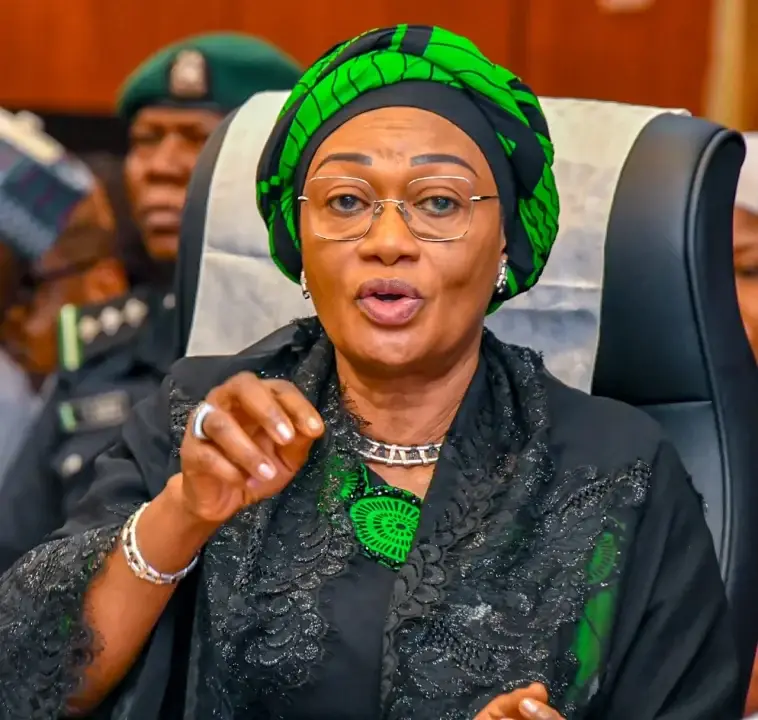
Nigeria's First Lady, Senator Oluremi Tinubu, has called on Nigerians to reduce food waste and adopt responsible waste disposal practices, warning that cleaner cities must begin with more sustainable habits in homes, businesses and communities, in a message marking World Cleanup Day 2026.
The First Lady made the call on Sunday in a statement issued to mark the global observance, which this year carried the theme "From Clean Plates to Clean Cities." She said the focus on food waste was particularly relevant amid disruptions to global food production and supply caused by climate change, conflicts and other challenges. "This year's focus on food waste is particularly important at a time when climate change, conflicts, and other global challenges continue to disrupt food production and supply," she said. She urged Nigerians to become more conscious of their consumption habits, particularly in the way they purchase, prepare, consume and preserve food. "I encourage households, businesses, and communities to reduce food waste, dispose of refuse properly, and adopt more sustainable practices that protect our environment," she said.
The First Lady stressed that environmental cleanliness was not only about clearing refuse from streets and public spaces but also about reducing the amount of waste generated in the first place. She emphasised the importance of collective action in achieving cleaner and healthier communities, noting that environmental responsibility should be sustained for the benefit of both present and future generations. "Through our collective efforts, we can build cleaner, healthier communities for present and future generations," she said.
Her intervention comes against a stark backdrop of food waste in Nigeria. The country has emerged as Africa's highest food-wasting nation, discarding an estimated 38 million tonnes of food annually, according to data cited by the European Union and reported by Punch. That translates to approximately 189 kilograms of food wasted per capita each year. Researchers estimate that nearly 50 per cent of Nigeria's perishable food output is lost annually, amounting to about 35 million metric tons, with the economic impact valued between N3.5 trillion and N5 trillion every year. The losses are driven largely by inadequate cold storage facilities, post-harvest inefficiencies and logistics challenges across the country's food supply chain. Vanguard reported that Nigeria loses approximately 40 million metric tonnes of food yearly due to logistics challenges, with annual post-harvest losses ranging between 30 million and 40 million metric tonnes.
The irony of the figures is difficult to ignore. Nigeria, Africa's most populous nation, is also home to millions of people facing acute hunger. The United Nations has warned that nearly 35 million Nigerians could face acute food insecurity between June and August 2026 if timely interventions are not implemented. The juxtaposition of staggering food waste and widespread hunger has made the issue a growing priority for policymakers and advocacy groups, who argue that reducing waste is not only an environmental imperative but a food security strategy.
The First Lady's call is part of a broader pattern of engagement on food security and environmental issues. Through the Renewed Hope Initiative, she has launched the National Community Food Bank Programme, a structured intervention designed to provide nutritious food to children under the age of six, pregnant women and lactating mothers through Primary Healthcare Centres. The programme, which was formally unveiled in April 2026 with pledges exceeding N66 billion from government and private sector stakeholders, has since been rolled out across Nigeria's geopolitical zones, including launches in Borno, Cross River, Anambra, Kogi and Ogun states. The initiative is designed to operate in all 774 local government areas, with food distribution centres established at primary healthcare facilities to reach vulnerable households. In April, the First Lady also flagged off the distribution of 100 trucks of rice and N1.2 billion in aid to support vulnerable households across the 19 northern states and the Federal Capital Territory.
The timing of the First Lady's message reflects the growing recognition that environmental sustainability and food security are interconnected. World Cleanup Day, observed annually on September 20, is a global movement that brings attention to the need for coordinated action against waste and environmental pollution. This year's campaign placed particular emphasis on food waste and its wider environmental implications, including the greenhouse gas emissions generated by decomposing food in landfills. The theme, "From Clean Plates to Clean Cities," was designed to draw a direct line between what happens on individual plates and the broader environmental condition of urban and rural communities.
Reactions to the First Lady's message were not immediately available from the public, but the statement aligns with a growing body of advocacy work on food waste in Nigeria. Non-governmental organisations, including the Foundation for A Better Environment, used the occasion of World Cleanup Day to advocate for proper food waste disposal and sorting, while other groups organised community cleanup exercises in Kaduna, Lagos and other states. The First Lady's appeal adds a prominent voice to those efforts, leveraging her platform to encourage behavioural change at the household level.
For the millions of Nigerians who confront the dual realities of wasted food and unmet nutritional needs, the message from the First Lady is both a call to action and a reminder of the gap between national abundance and individual deprivation. Nigeria's agricultural sector produces enough food to feed its population, yet inefficiencies across the supply chain, combined with inadequate storage and distribution infrastructure, mean that a substantial portion of that production never reaches the table. The First Lady's intervention, framed around the simple acts of purchasing, preparing, consuming and preserving food more responsibly, places the responsibility for change at the household level while acknowledging the systemic challenges that require broader intervention.
Whether her message translates into measurable reductions in food waste will depend on factors beyond individual behaviour, including investment in cold storage, improved transportation networks and better coordination across the agricultural value chain. But the First Lady has made clear that the conversation about cleaner cities must begin with what happens on the plate, and that the choices Nigerians make in their kitchens and markets have consequences that extend far beyond their homes. As she put it, through collective efforts, Nigerians can build cleaner, healthier communities for present and future generations.
📩 Stone Reporters News | 🌍 stonereportersnews.com
✉️ info@stonereportersnews.com | 📘 Facebook: Stone Reporters News | 🐦 X (Twitter): @StoneReportNew | 📸 Instagram: @stonereportersnews
Add comment
Comments