

Reported by: Oahimire Omone Precious | Edited by: Oravbiere Osayomore Promise.
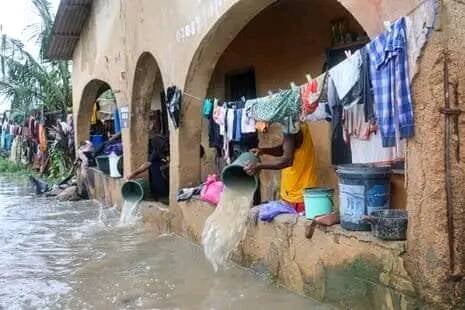
The Lagos State Government has ordered residents in 13 flood-prone and low-lying communities to immediately relocate to higher ground, following a fresh seven-day flood alert issued by the Nigerian Hydrological Services Agency covering September 19 to 25, 2026. The alert places Lagos among 15 states considered vulnerable to severe riverine flooding during the period, prompting the state government to activate emergency preparedness measures and urge residents to act before the waters rise.
The Commissioner for Environment and Water Resources, Tokunbo Wahab, issued the directive in a statement on Monday, warning that the second phase of the rainy season was characterised by increased rainfall, rising water levels and tidal influences that could worsen flooding in vulnerable locations. "We are urging Lagosians, particularly those living in flood-prone and low-lying areas, not to take this warning lightly. When the signs point to danger, the safest decision is to move early. No property is worth risking a life," Wahab declared.
The 13 Areas at Most Risk
The government identified 13 specific locations on its high-alert list. They are Eti-Osa, Lagos Island, Oke-Ira Nla in Ajah, Kirikiri, Ilaje Waterfront Jetty, Jetty Terminal B, Isheri North, Kara, Itowolo, Ajegunle, Majidun, Ogolonto, and parts of Agboyi. Residents in these communities have been urged to remain on high alert throughout the seven-day window and to make arrangements for temporary relocation. The commissioner also warned communities along the Ogun River and other major waterways to exercise heightened caution, noting that heavy rainfall upstream and rising water levels in connected river systems could affect downstream communities in Lagos.
What NiHSA Warned
The NiHSA report warned that rising river levels could trigger flooding in vulnerable communities and disrupt critical facilities, including schools, healthcare centres, markets, farms and places of worship. The agency estimated that more than 8,000 communities and 4,500 schools across the affected states were at risk between September 19 and 25. In Lagos, the areas with the worst conditions were identified as Eti-Osa, Lagos Island, Oke-Ira Nla in Ajah, Kirikiri, Ilaje Waterfront Jetty and Jetty Terminal B.
What Residents Should Do
Wahab urged residents not to wait until floodwaters rise before taking action, stressing that early preparation and temporary relocation could prevent loss of life and property. "When the signs point to danger, the safest decision is to move early," he said. He advised residents living near rivers, lagoons, wetlands and drainage channels to monitor official flood forecasts and be prepared to relocate temporarily when flooding becomes imminent. He also called on local governments, emergency management agencies and community leaders to activate early-warning and response mechanisms, and to help move people, livestock and valuable possessions to safer locations where necessary.
The commissioner cautioned residents against walking or driving through flooded roads, bridges and fast-moving water, warning that such actions could put lives at risk. He also appealed to residents to refrain from dumping refuse in drains, canals and waterways, noting that blocked drainage channels could worsen flooding and delay the recession of floodwaters.
The Bigger Picture
The flooding alert is the latest in a series of warnings issued by NiHSA and the Lagos State Government in recent months. In August 2026, residents in flood-prone areas like Ajegunle, Majidun in Ikorodu and parts of the Lekki corridor were warned to relocate to higher ground as heavy rainfall continued across the state. The recurring alerts underscore the growing vulnerability of Lagos and other coastal states to flooding, a challenge that experts attribute to a combination of climate change, poor drainage infrastructure and unregulated construction in flood plains.
For the thousands of residents living in the 13 identified communities, the message from the government is clear: the next seven days are dangerous, and the safest option is to leave. The state government has said it will continue to monitor river levels, rainfall patterns and other hydrological developments in collaboration with federal agencies, and has promised to provide timely updates as the situation evolves. But for now, the responsibility rests with residents to heed the warning and take action before the floodwaters arrive.
📩 Stone Reporters News | 🌍 stonereportersnews.com
✉️ info@stonereportersnews.com | 📘 Facebook: Stone Reporters News | 🐦 X (Twitter): @StoneReportNew | 📸 Instagram: @stonereportersnews
Add comment
Comments