

Reported by: Ijeoma G | Edited by: Oravbiere Osayomore Promise.
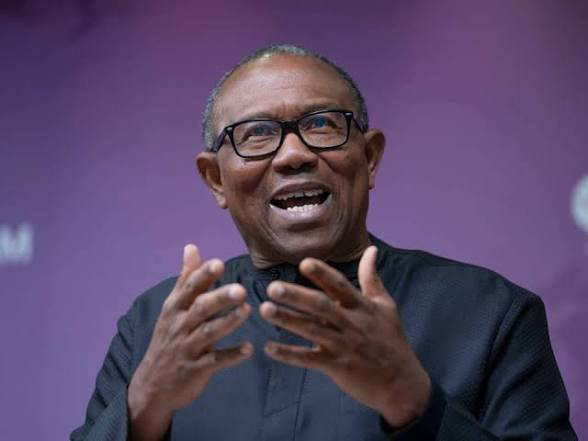
Peter Obi, the presidential candidate of the Nigeria Democratic Congress, has pledged to reinstate petroleum subsidy if elected president in 2027, saying his administration would first tackle corruption in the sector before restoring any form of subsidy. Obi made the declaration on Monday, September 28, 2026, during a town hall meeting organised for the Obi/Kwankwaso presidential ticket in Sokoto State. The former Anambra State governor, who had previously opposed the return of the subsidy, told supporters that the real issue was not whether subsidy should exist but how corruption and leakages within the system could be dealt with.
"People are talking about subsidy but what is all about it is corruption. By removing the corruption, I assure you that we will bring back subsidy," Obi said. "The problem of Nigeria is corruption, as such, if elected, we will stop all forms of corruption in every sector of the country". The statement represents a significant shift from his earlier position. During the 2023 election campaign and in the months that followed, Obi argued that the removal of the petrol subsidy by President Bola Tinubu's administration was a difficult but necessary reform. He had called for the savings from the subsidy removal to be deployed to critical sectors, particularly education, healthcare and security, rather than reversed. As recently as September 10, 2026, he had rejected the proposal by former Vice President Atiku Abubakar to restore the subsidy, arguing that Northern Nigeria would benefit more from investment in agriculture than from a return to the old subsidy regime.
On Monday, however, Obi framed his new position as consistent with his long-standing emphasis on corruption as the root of Nigeria's problems. He argued that the subsidy regime had been undermined by corruption, and that if corruption were eliminated, restoring subsidy would become viable. "We will eradicate corruption, especially the one related to fuel subsidy, before we find a way to return subsidy in another dimension," he said, in comments reported by Tribune. He also promised a transparent framework for monitoring crude oil production, transactions, imports, exports and government revenues. "Kwankwaso and I will initiate a work plan that would transparently arrive at the quantum of crude, nature of transactions, import and export, and revenue accruing from every single oil and gas transaction and activity for the benefit of Nigerians," Obi said, according to Punch.
The Sokoto town hall was not solely about subsidy. Obi used the platform to outline his broader policy priorities, including security, education, agriculture and infrastructure. He identified education as "our number one priority after unity and security". He promised to connect all state capitals with railway lines to facilitate economic activities and boost development. He also pledged to expand rail transportation, including establishing connections linking Sokoto, Kebbi and Zamfara with other parts of the North-West and the country. On insecurity, he said an NDC government would collaborate with state governors to tackle banditry, kidnapping and terrorism, while supporting farmers through fertiliser subsidies and other interventions to boost food production.
Obi's running mate, Senator Rabiu Kwankwaso, spoke at the event and highlighted the security challenges confronting the North-West, particularly banditry and kidnapping. "We are, therefore, committed to mitigating all these challenges and make Nigeria better," Kwankwaso said. The NDC governorship candidate in Sokoto State, Dr Shamsudeen Haido, pledged to provide good governance if elected in 2027. The state Chairman of the party, Alhaji Bello Yabo, said the meeting provided an opportunity for residents to hear directly from Obi and Kwankwaso about their plans and vision for the country. Before the town hall, the candidates paid a courtesy visit to the Sultan of Sokoto, Sa'ad Abubakar III, where they sought his blessings ahead of the elections.
The pledge to restore subsidy is likely to intensify the political debate over Nigeria's fuel pricing regime ahead of the 2027 elections. The removal of the subsidy by the Tinubu administration in May 2023 triggered a sharp increase in fuel prices, contributing to a nationwide cost-of-living crisis that has affected transportation, food prices and household expenses. The government has defended the reform as necessary to redirect resources to infrastructure and social programmes, while opposition parties have criticised the administration for failing to deliver tangible benefits from the savings. President Tinubu has claimed that the government saved trillions of naira from the subsidy removal and that the funds are being used to finance development projects. The Presidency has also dismissed calls for the restoration of the subsidy, with officials arguing that returning to the old regime would bankrupt the country and benefit only fraudsters and smugglers.
Obi's new position is likely to be met with scepticism from both the ruling party and some of his own supporters. The APC has previously accused him of inconsistency on the subsidy issue, pointing out that he supported removal before the 2023 election. More recently, the Presidency criticised him for what it described as a lack of clear ideas. Obi's shift also creates a potential divergence within the NDC ticket, as Kwankwaso had earlier said the party would reintroduce subsidy "in a different form". Obi, however, sought to downplay any suggestion of disagreement, telling the All Nigeria Editors Conference in Enugu that Kwankwaso had not proposed outright removal of the subsidy but a different approach to the regime.
The political implications of Obi's U-turn are significant. Fuel subsidy is one of the most emotive issues in Nigerian politics, and any candidate's position on it is scrutinised closely by voters. Obi's previous opposition to restoring the subsidy had been seen as a signal of his commitment to fiscal discipline and reform. His decision to reverse that position may be calculated to appeal to voters who have borne the brunt of the subsidy removal and are receptive to any proposal that promises to bring down the cost of living. Whether it will persuade them that he can deliver on the promise, given his insistence that corruption must be tackled first, remains to be seen. For now, the debate over subsidy and corruption has taken a new turn, and Obi has positioned himself at its centre.
📩 Stone Reporters News | 🌍 stonereportersnews.com
✉️ info@stonereportersnews.com | 📘 Facebook: Stone Reporters News | 🐦 X (Twitter): @StoneReportNew | 📸 Instagram: @stonereportersnews
Add comment
Comments