

Reported by Ariajegbe Sylvia Esezobor
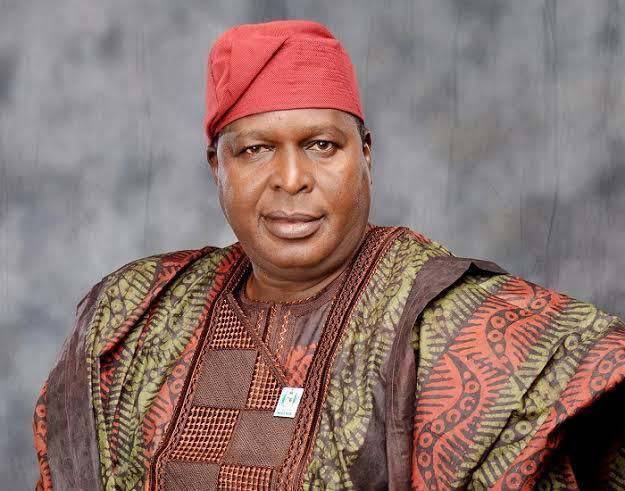
Former Director-General of the National Council for Arts and Culture, Otunba Olusegun Runsewe, has warned against the increasing misuse of Artificial Intelligence on social media, saying the technology, while not inherently harmful, is being exploited to misinform, disinform and spread fake narratives that pose threats to societal peace and stability.
Runsewe, who spoke on Wednesday, October 7, 2026, in Abuja, said AI was freely available and could enhance communication, research, content creation and solutions to difficult problems when used responsibly. However, he said its unguided use could become a major liability to society, particularly through the creation and circulation of false images and fabricated content. “Fake AI images and voices are capable of tearing families apart, creating social tension, fuelling inter-religious and inter-ethnic strife and even discrediting and destabilising government,” Runsewe said. He said such content could cause serious damage to families, social institutions and government, while creating tension within society.
The former NCAC boss cited widespread AI-generated voices and cloned images of prominent political figures and other members of society circulating online as examples of AI’s capacity to mislead. He advised Nigerians to be wary of information circulated on social media, stressing the need to fact-check such information before accepting or sharing it. “Members of the public should scrutinise every piece of information from social media and cross-check with relevant government agencies rather than swallowing it hook, line and sinker,” he said. “Artificial Intelligence, an innovative technology in the global information and communication system, can be counterproductive in Nigeria if citizens consume social media information without proper scrutiny.”
Runsewe’s warning comes as Nigeria prepares for the 2027 general elections, scheduled for January 16, with the governorship and state assembly elections following on February 6. He cautioned against AI-generated content deliberately designed to heat up the polity and create social tension, and called on stakeholders in the electoral process to develop proactive and effective information dissemination strategies to counter fake narratives pushed into the public domain. He also advocated greater use of conventional media to disseminate relevant and credible information promptly and prevent rumours, fake news and sensational reports.
The former director-general also decried the negative impact of AI on institutions of higher learning, particularly students’ increasing dependence on the technology for assignments and research. According to him, excessive reliance on AI has promoted plagiarism, intellectual laziness, lack of originality and the production of graduates without adequate knowledge and skills. His concerns echo a broader national conversation about the integrity of Nigeria’s education system and the challenges posed by generative AI tools that can produce essays, research summaries and even entire projects with minimal human input. The Nigerian Educational Research and Development Council and the National Universities Commission have both flagged the need for policies to govern AI use in academic settings, though comprehensive frameworks remain in development.
Runsewe’s intervention adds to a growing chorus of warnings from Nigerian institutions and international bodies about the risks AI poses to electoral integrity. The Independent National Electoral Commission has itself warned that the misuse of AI to create and spread manipulated content is no longer a distant, theoretical risk to the 2027 elections. The commission’s National Commissioner and Chairman of the Information and Voter Education Committee, Mohammed Haruna, said in September 2026 that generative AI had made it cheaper and considerably harder to detect manipulated audio, video and images, and that the threat extended beyond fabricated content to highly targeted messages designed to feed conflicting narratives to different groups of voters. INEC has since deepened engagement with global technology companies, including Google and Microsoft, to strengthen cybersecurity and the responsible application of AI in the electoral process.
The broader context of Runsewe’s warning is a global surge in AI-generated misinformation and its potential to disrupt democratic processes. In Nigeria, fact-checkers documented several AI-generated political contents in 2026, including a manipulated video of a former first lady and an AI-generated image falsely presented as showing voters during the Ekiti governorship election. Cybersecurity experts have warned about the “liar’s dividend,” whereby the growing prevalence of synthetic media makes it easier for individuals to dismiss genuine evidence as fake. The National Peace Committee has recorded 60 election-related incidents within one month, including political violence, intimidation, threats and misinformation, and has warned political actors against inflammatory campaigns.
Runsewe’s own record at the NCAC was marked by consistent advocacy for Nigerian cultural values and warnings against content he considered detrimental to the country’s image. In 2019, he cautioned Nigerian youths against emulating social media personalities he said misrepresented Nigerian identity. In 2026, his successor at the NCAC, Obi Asika, warned that AI tools could not replace foundational learning and urged young creatives to critically engage with AI-generated content, verify information from multiple sources and continue investing in education. Asika also disclosed that Nigerian creators generate between 10,000 and 15,000 pieces of original content daily across more than 60 digital platforms, a figure that underscores both the scale of Nigeria’s creative economy and the challenge of ensuring that the information circulating within it is accurate and credible.
For Nigerians, Runsewe’s warning is a reminder that the same technology that can enhance communication and creativity can also be weaponised to deceive, divide and destabilise. As the 2027 elections approach, the ability of citizens to distinguish between genuine information and AI-generated falsehoods will be critical to the integrity of the democratic process. Runsewe’s advice was straightforward: scrutinise every piece of information from social media, cross-check with relevant government agencies, and do not swallow it hook, line and sinker. The coming months will determine whether that advice is heeded or whether Nigeria becomes another case study in the corrosive effects of unchecked digital misinformation.
📩 Stone Reporters News | 🌍 stonereportersnews.com
✉️ info@stonereportersnews.com | 📘 Facebook: Stone Reporters News | 🐦 X (Twitter): @StoneReportNew | 📸 Instagram: @stonereportersnews
Add comment
Comments