

Petrol Could Hit ₦2,000, Dollar Could Reach ₦3,000 — FG Warns Against Fuel Subsidy Return
The Federal Government has warned that restoring petrol subsidy could push the price of petrol to at least ₦2,000 per litre and weaken the naira to around ₦3,000 against the US dollar within months.
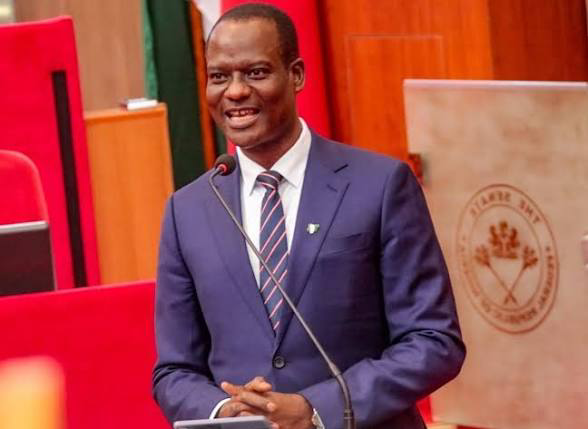
The Minister of Finance and Coordinating Minister of the Economy, Taiwo Oyedele, gave the warning on Thursday, October 8, 2026, during a press briefing in Abuja amid renewed calls for the reintroduction of petrol subsidy.
Oyedele argued that bringing back the subsidy would reduce government revenue, potentially affect Nigeria’s credit rating, increase borrowing costs and trigger capital outflows. He said these pressures could reduce foreign exchange reserves and weaken the naira.
According to the minister, the government estimates that the exchange rate could approach ₦3,000 to the dollar within months if the subsidy is restored, while petrol could cost at least ₦2,000 per litre under the resulting economic pressures.
He maintained that subsidising petrol would not eliminate the actual cost of the product but would shift the financial burden to the government, which would have to find money to cover the difference between the market price and the amount paid by consumers.
Oyedele warned that financing such a programme could require higher taxes, increased borrowing, delayed payment of salaries and pensions, or additional money creation, potentially worsening inflation.
The minister also argued that a return to subsidy could encourage petrol smuggling into neighbouring countries because of price differences, leaving Nigerian taxpayers to bear some of the cost of fuel consumed elsewhere.
The Federal Government estimates that restoring petrol subsidy could cost more than ₦20 trillion annually, based on Nigeria’s estimated daily petrol consumption of about 50 million litres. Oyedele said even a proposal to sell petrol at ₦500 per litre could cost more than ₦16 trillion yearly.
President Bola Tinubu announced the removal of petrol subsidy on May 29, 2023. Since then, rising fuel and transportation costs have fuelled calls from some political figures, labour groups and other Nigerians for the government to reconsider the policy or introduce stronger relief measures.
Defending the reform, Oyedele said the government had mobilised ₦15.8 trillion for the Federation Account between June 2023 and December 2025 following subsidy removal. He said ₦10.4 trillion of that amount went to state and local governments.
The minister said the government would continue considering measures to cushion the impact of fuel prices but rejected a return to a blanket subsidy.
Among the measures announced is a 30-day petrol discount at Nigerian National Petroleum Company Limited (NNPC) filling stations, with public transport operators given priority. The government is also pursuing a proposed ₦1,350 ceiling on petrol’s ex-gantry or landing cost, alongside other targeted interventions.
Oyedele said those proposing a return to subsidy should explain how it would be funded sustainably, how much it would cost and the pump price it would deliver.
The projected ₦2,000 petrol price and ₦3,000-to-the-dollar exchange rate are the government’s estimates of what could happen if subsidy returns; they are not confirmed future prices or exchange rates.
📩 Stone Reporters News | 🌍 stonereportersnews.com
✉️ info@stonereportersnews.com | 📘 Facebook: Stone Reporters News | 🐦 X (Twitter): @StoneReportNew | 📸 Instagram: @stonereportersnews
Add comment
Comments