

The Federal Government has warned hotel owners and managers across Nigeria against allowing their establishments to become centres for money laundering, electoral offences or other unlawful activities as preparations intensify for the 2027 general elections. The warning places greater responsibility on hospitality operators to verify guests' identities, maintain reliable records, monitor suspicious financial transactions and cooperate with security agencies, reflecting growing concerns about the potential exploitation of commercial accommodation facilities during politically sensitive periods.
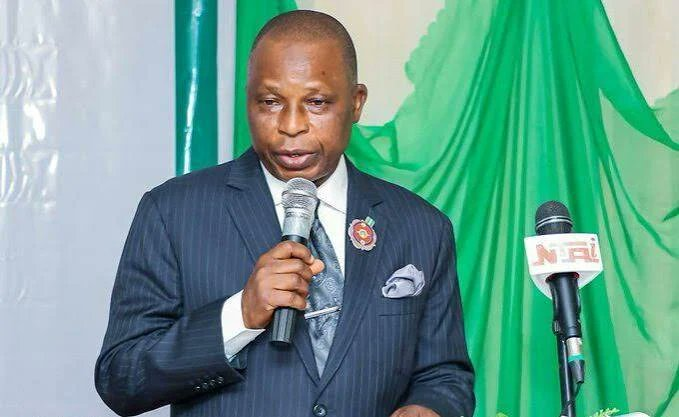
The warning was delivered on Thursday, October 1, 2026, at the second edition of the JAGZ Hospitality Conference, held at The JAGZ Hotel in Ibadan, Oyo State. Attorney-General of the Federation and Minister of Justice, Prince Lateef Fagbemi, SAN, addressed participants through Fernandez Marcus-Obiene, Special Assistant to President Bola Ahmed Tinubu on Justice Sector Reform and ICT, Digital and Innovative Technology. The conference, themed "The Hotel at the Centre: Money, Elections, Security," brought together government representatives, law enforcement officials, financial crime regulators and hospitality executives.
Fagbemi explained that hotels would play an important role in maintaining security before, during and after the elections because of the diverse individuals and organisations expected to use their facilities. He urged operators to maintain accurate information about guests and provide relevant details to security agencies when lawfully required.
The Attorney-General particularly cautioned against the use of hotels as channels for illicit political funds. His remarks highlighted the financial risks associated with election periods, when political meetings, accommodation bookings, campaign activities and business transactions can increase substantially.
He also emphasised professionalism, regulatory compliance and political neutrality, maintaining that hospitality establishments should conduct their operations within the law regardless of the political affiliations of their customers.
The message did not prohibit hotels from accommodating politicians or hosting lawful political meetings. Rather, it called on operators to distinguish legitimate commercial activities from transactions or conduct that could breach criminal, financial or electoral regulations.
Conference convener Lugard Agbomoagan, Group Managing Director of Charis Ultimo Hotels Limited, explained that the hospitality industry had developed beyond providing accommodation into an important meeting point for investment, tourism, business negotiations and international transactions.
Agbomoagan said hotels would inevitably accommodate politicians, campaign organisations, journalists, business executives and security personnel during the approaching electoral cycle. He argued that these activities made preparedness and compliance increasingly important for operators.
He stressed that the conference was not intended to portray hotels as inherently dangerous environments. Instead, its purpose was to equip hospitality professionals with the knowledge required to protect guests, employees and businesses while responding appropriately to emerging security and financial risks.
Agbomoagan outlined security arrangements introduced at The JAGZ Hotel, including regular employee training, an in-house legal practitioner responsible for regulatory compliance and cooperation with relevant security institutions.
He disclosed that the establishment maintained a dedicated surveillance unit responsible for monitoring closed-circuit television cameras and responding to security incidents or emergencies involving guests.
According to him, the arrangements were designed to prevent the hotel from becoming involved in illicit transactions or electoral offences while maintaining normal hospitality services.
Financial crime prevention also featured prominently during the conference. Toyin Ehindero-Benson, Ibadan Zonal Coordinator of the Economic and Financial Crimes Commission's Special Control Unit Against Money Laundering, urged operators to strengthen customer due diligence and internal financial monitoring.
Ehindero-Benson warned that inadequate identification procedures and poorly documented payments could create opportunities for criminal exploitation. She encouraged hotels to establish reliable systems for identifying customers and maintaining records of relevant transactions.
The EFCC representative also advised operators to minimise cash transactions and scrutinise questionable payments made by third parties. She explained that financial activities should be consistent with available information about customers and their business purposes.
High-value transactions, she added, should pass through appropriate banking channels and receive the scrutiny required under applicable financial regulations.
Her recommendations reflected the wider responsibilities imposed on designated businesses under Nigeria's anti-money laundering framework, which seeks to prevent criminals from concealing the origins or ownership of unlawfully obtained funds.
The discussion also addressed practical security measures. Police representatives encouraged hotel managers to maintain effective relationships with local police formations, install functional surveillance equipment and conduct appropriate background checks before employing workers.
Security officials explained that properly maintained CCTV recordings could assist investigations by documenting movements and activities within hospitality premises when incidents occur.
However, collecting customer information and cooperating with investigators must remain consistent with applicable legal requirements, including privacy protections and lawful procedures governing access to personal records.
The conference also examined the economic significance of hospitality businesses. Oyo State Commissioner for Culture and Tourism, Dr Wasiu Olatunbosun, representing the state government, highlighted the sector's contribution to economic activity and encouraged operators to meet their tax obligations.
His remarks connected hospitality regulation with wider development priorities, including tourism, employment generation, investment and government revenue.
Lanre Balogun, General Manager of Glocient Hospitality, which manages Ikogosi Warm Springs Resort in Ekiti State, emphasised the importance of proactive security arrangements and stronger relationships between hotels and their host communities.
Balogun maintained that hospitality businesses should recognise their responsibilities beyond commercial operations, particularly their contributions to employment, community development and public safety.
The conference brought these perspectives together against the background of Nigeria's approaching general elections, when hotels and event facilities are expected to experience increased demand from political organisations and associated visitors.
The warnings also reflect broader concerns about electoral integrity and the movement of funds during political campaigns. Nigeria's electoral laws regulate campaign financing and prohibit certain unlawful practices, while financial crime legislation establishes obligations concerning suspicious transactions and customer verification.
Hotels occupy a distinctive position within this environment because they provide accommodation, conference facilities and commercial services to customers whose activities may involve substantial financial transactions.
Nevertheless, the government did not announce a blanket restriction on political gatherings in hotels, nor did Fagbemi identify particular establishments as having committed electoral offences during the conference.
The emphasis was preventive: encouraging operators to identify potential risks, maintain records and seek assistance from competent authorities before suspicious activities develop into serious incidents.
For hotel owners, compliance requires more than installing cameras or collecting identification documents. Effective procedures also depend on trained personnel, appropriate financial controls, clear reporting arrangements and consistent enforcement of internal policies.
As preparations continue for the 2027 elections, the Federal Government's warning places the hospitality industry within wider efforts to strengthen security and financial accountability.
The central message from Ibadan was that hotels should remain accessible to lawful customers while ensuring that their facilities, services and financial systems are not exploited for criminal purposes. The effectiveness of that approach will depend on cooperation between operators, regulators and security agencies, alongside respect for the legal rights of guests and businesses.
📩 Stone Reporters News | 🌍 stonereportersnews.com ✉️ info@stonereportersnews.com | 📘 Facebook: Stone Reporters News | 🐦 X (Twitter): @StoneReportNew | 📸 Instagram: @stonereportersnews
Add comment
Comments