

Reported by: Ijeoma G | Edited by: Oravbiere Osayomore Promise.
Residents of Gorau town in are reeling from shock and grief following a deadly overnight attack by armed bandits that left several people dead, many injured, and an unspecified number abducted. The assault, which occurred late Monday night, has once again highlighted the deepening insecurity in northwestern Nigeria, where rural communities continue to bear the brunt of escalating violence.
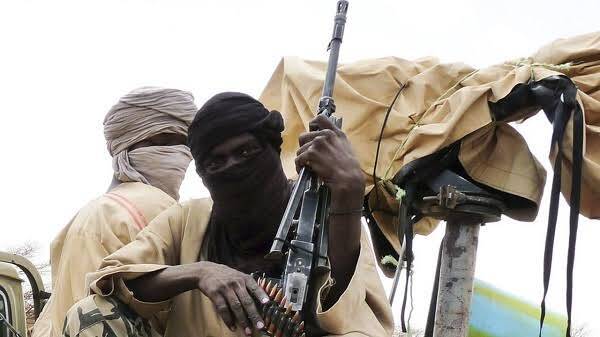
According to local accounts, the attackers, believed to be heavily armed bandits operating in the region, stormed Gorau under the cover of darkness, firing indiscriminately and forcing residents to flee for safety. Eyewitnesses described scenes of chaos as gunmen moved through the town, targeting homes and attempting to abduct villagers. Those who resisted or were unable to escape were reportedly shot, leaving multiple casualties in the aftermath.
Gorau holds particular significance as the ancestral home of , who represents the Gada/Goronyo federal constituency. The attack has therefore drawn heightened attention, not only because of its brutality but also due to its symbolic impact on a community tied to a serving member of Nigeria’s National Assembly.
Residents who spoke after the attack said the gunmen arrived in large numbers, overwhelming local vigilante groups and exploiting the absence of immediate security response. Many villagers reportedly fled into surrounding bushes and farmlands, spending the night in fear and uncertainty. By dawn, the scale of destruction had become evident, with bodies recovered and several homes either damaged or looted.
Local sources indicated that several individuals were injured during the attack, some sustaining gunshot wounds, while others were hurt in the chaos of trying to escape. The injured have been taken to nearby medical facilities, although access to adequate healthcare remains a challenge in many rural parts of . The exact number of casualties has yet to be officially confirmed, but community leaders fear it may rise as more information emerges.
In addition to the fatalities and injuries, a number of residents were abducted by the attackers. Kidnapping for ransom has become a recurring feature of banditry in northwestern Nigeria, with victims often held in remote forest camps until payments are made. Families of those abducted in Gorau are said to be in distress, uncertain of their loved ones’ fate and bracing for possible ransom demands.
Security officials have not yet released a comprehensive statement detailing the incident, but sources within local government structures confirmed that efforts are underway to assess the situation and deploy additional security personnel to the area. Community members, however, expressed frustration over what they described as a delayed response, a concern that has become increasingly common in regions affected by bandit attacks.
The latest violence in Gorau underscores the persistent security challenges facing , where armed groups have carried out repeated attacks on villages, highways, and farmlands. These groups, often referred to as bandits, have evolved from cattle rustlers into organized criminal networks capable of launching large-scale assaults and maintaining control over vast rural territories.
Over the past few years, states such as Sokoto, Zamfara, Katsina, and Kaduna have witnessed a surge in such attacks, leading to widespread displacement and humanitarian concerns. Entire communities have been forced to abandon their homes, while farmers have struggled to cultivate their land due to fear of нападение, exacerbating food insecurity in the region.
Local leaders in Goronyo have called for urgent intervention by federal and state authorities, emphasizing the need for sustained security presence rather than reactive deployments after attacks occur. They argue that without a proactive strategy, communities will continue to remain vulnerable to sudden and devastating assaults.
The attack has also reignited debates about Nigeria’s broader security architecture, particularly the effectiveness of current measures in addressing rural banditry. Analysts have long pointed to gaps in intelligence gathering, insufficient manpower, and difficult terrain as factors that enable bandits to operate with relative impunity.
For residents of Gorau, however, the immediate concern is survival and recovery. Families are mourning loved ones, tending to the injured, and searching for those still missing. The psychological impact of the attack is expected to linger, as survivors grapple with trauma and the fear of potential future assaults.
Community elders have appealed for calm while urging authorities to act swiftly to restore a sense of safety. Some residents have also called for increased support for local vigilante groups, which often serve as the first line of defense in rural areas despite limited resources and training.
The incident adds to a growing list of violent episodes that have shaken communities across Sokoto State in recent months. While security forces have occasionally reported successes in neutralizing bandit leaders and dismantling camps, such gains have yet to translate into lasting peace for many affected areas.
As investigations continue, attention is likely to focus on identifying those responsible for the Gorau attack and determining how such a large-scale operation was carried out without interception. The outcome of these efforts will be closely watched, particularly by communities that have repeatedly called for accountability and effective protection.
For now, the people of Gorau are left to pick up the pieces in the wake of a devastating night. Their experience reflects a broader reality faced by countless rural communities across northwestern Nigeria, where the threat of banditry remains an ever-present danger, and the quest for security continues to be both urgent and unresolved.
📩 Stone Reporters News | 🌍 stonereportersnews.com
✉️ info@stonereportersnews.com | 📘 Facebook: Stone Reporters News | 🐦 X (Twitter): @StoneReportNew | 📸 Instagram: @stonereportersnews
Add comment
Comments