

Reported by: Althiea .P | Edited by: Bornet .k
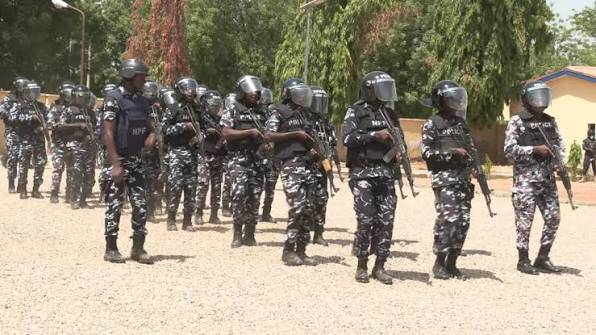
As Nigeria moves closer to considering the establishment of state police, the national conversation has shifted from whether decentralised policing is necessary to how such a system can be created to ensure effectiveness, adequate funding, accountability and protection against political abuse.
For more than two decades, state policing has remained one of Nigeria’s most debated constitutional and security issues. The increasing challenges of terrorism, banditry, kidnapping, communal conflicts, secessionist violence and cult-related crimes have exposed the limitations of the current centralised policing structure, strengthening calls for a security system that can respond more directly to local threats.
The debate over state police is not new. Before the military takeover in 1966, Nigeria’s regions operated their own police structures alongside the Native Authority Police, allowing local governments to address security challenges within their territories. However, allegations that regional police formations were being used for political intimidation and opposition suppression contributed to their abolition during military rule.
Following the return to civilian government, the 1979 and 1999 Constitutions maintained a single Nigeria Police Force controlled by the Federal Government. Although state governors are often referred to as the chief security officers of their states, they do not have constitutional authority over police operations within their jurisdictions.
In recent months, the discussion has gained renewed attention, with the Federal Government expressing support for the idea of establishing state police as part of wider reforms aimed at tackling Nigeria’s worsening security situation. The ongoing constitutional amendment process at the National Assembly has also created an opportunity to examine the legal, financial and institutional requirements needed for a decentralised policing system.
The issue was further highlighted during the ARISE Town Hall Meeting on Building a National Consensus for State Police and National Security, organised by the Chairman of ARISE/THISDAY Media Group, Prince Nduka Obaigbena. Political leaders, security experts and policymakers who attended the event largely agreed that decentralised policing had become necessary, but warned that strong safeguards must be introduced to prevent abuse.
One of the biggest concerns raised during the discussions was funding. Senator Opeyemi Bamidele, the Senate Leader, argued that establishing state police without a sustainable financial structure would create institutions that could struggle to function effectively.
Bamidele said the country must address what he described as the “political economy of financing the police,” warning that poorly funded state police formations could become vulnerable to control by governors, wealthy individuals, criminal networks and other powerful interests.
He proposed that financial independence should be guaranteed within the legal framework establishing state police. According to him, funding should not depend entirely on the discretion of state governors, but should include constitutional provisions that guarantee a percentage of state resources for policing, similar to the financial protections enjoyed by institutions such as the judiciary.
The Senate Leader argued that such safeguards would prevent situations where state authorities could weaken police commands by withholding resources or reward officers who act in their political interests. He also stressed that state police reform must go together with stronger local government institutions.
According to Bamidele, effective security begins at the grassroots level, and local governments must be empowered to support community policing initiatives. He warned that creating state police without strengthening local governance would limit the impact of the reform.
The Governor of Anambra State, Professor Chukwuma Soludo, also supported the idea of decentralised policing but said it could only succeed under a system of genuine fiscal federalism. He described funding as the major challenge that must be addressed before states assume greater policing responsibilities.
Soludo argued that states cannot be expected to operate professional police organisations while the Federal Government continues to control the majority of national revenue. He maintained that responsibilities and resources must move together, warning that states without adequate financial capacity may struggle to recruit and maintain effective security personnel.
Supporters of state police believe the system could improve intelligence gathering, strengthen community relations and enable faster responses to security threats. They argue that local security personnel are more familiar with the communities they serve and can better understand criminal networks operating within their areas.
However, critics continue to warn about the possibility of political interference, especially in states where institutions responsible for oversight and accountability remain weak. They argue that without independent monitoring mechanisms, state police could be used against political opponents, journalists or civil society groups.
As Nigeria continues its constitutional discussions, stakeholders agree that the success of state police will depend not only on its creation but also on the structures put in place to guarantee professionalism, independence and public trust.
The debate now centres on finding a balance between local control and national standards, ensuring that decentralised policing becomes a solution to Nigeria’s security challenges rather than another institution vulnerable to misuse.
📩 Stone Reporters News | 🌍 stonereportersnews.com
✉️ info@stonereportersnews.com | 📘 Facebook: Stone Reporters News | 🐦 X (Twitter): @StoneReportNew | 📸 Instagram: @stonereportersnews
Add comment
Comments