

Reported by: Oahimire Omone Precious | Edited by: Bornet .k
The Christian Association of Nigeria (CAN) has rejected a proposed provision seeking to ban preaching inside commercial vehicles, warning that the move could infringe on Nigerians’ constitutional right to freedom of religion and expression.
The South-West chapter of CAN criticised the proposed measure contained in the Federal Road Safety Corps (FRSC) Amendment Bill, 2026, which seeks to impose penalties on individuals involved in activities including preaching, hawking and trading inside commercial vehicles. The bill, recently passed by the Senate, is awaiting further legislative and presidential consideration.
In its reaction, CAN said regulations aimed at improving safety and order on Nigerian roads should not become instruments for limiting legitimate religious practices. The association called for wider consultation among government agencies, religious organisations, transport operators and other stakeholders before any final decision is taken.
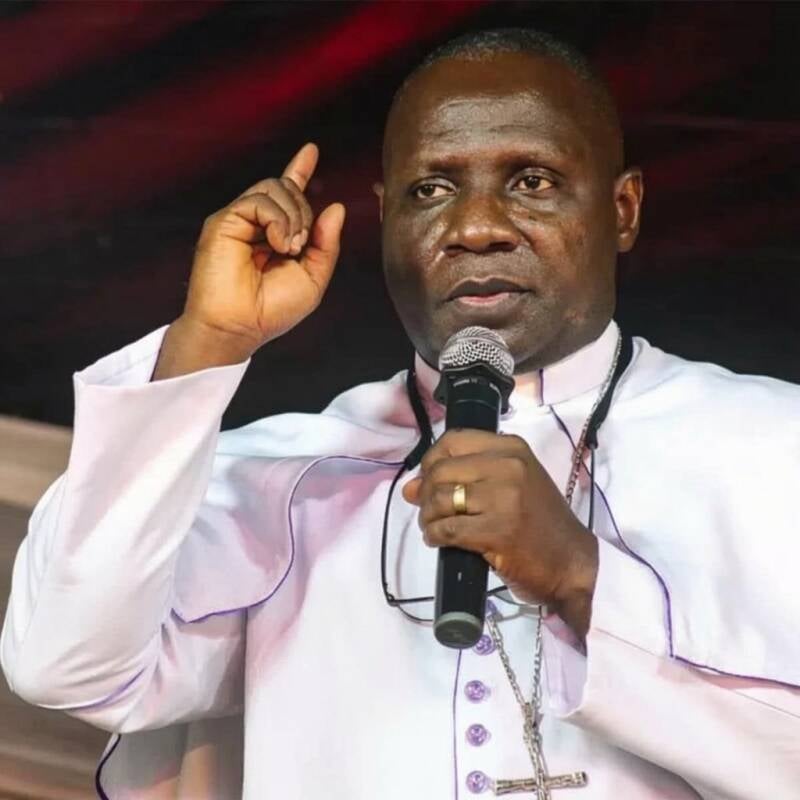
The South-West Chairman of CAN, Bishop Barnabas Akinsanya, said the proposed legislation required careful review to ensure that it did not violate fundamental rights guaranteed under the Nigerian Constitution.
CAN argued that preaching is an important aspect of religious practice for many Christians and that any restriction must carefully balance public safety concerns with citizens’ freedom to practise and express their faith.
The controversy followed the passage of the FRSC Amendment Bill, 2026, which seeks to strengthen enforcement powers of the road safety agency and introduce penalties for certain activities considered capable of causing distractions or inconvenience inside commercial vehicles.
Under the proposed legislation, individuals convicted of preaching, hawking or trading inside commercial vehicles could face a ₦50,000 fine, while other penalties are also included for specific violations connected to road safety enforcement.
Supporters of the measure have argued that public transport spaces require better regulation to protect passengers, reduce distractions and improve safety. They say activities carried out inside moving vehicles can sometimes interfere with drivers and create discomfort for commuters.
However, religious organisations have expressed concern that the provision could unfairly target religious expression. The Pentecostal Fellowship of Nigeria (PFN) also urged President Bola Ahmed Tinubu not to assent to the bill in its current form, describing the proposed restriction as problematic and calling for reconsideration.
The debate has attracted reactions from different sections of society, with some commuters supporting measures to reduce unwanted disturbances during journeys, while others argue that peaceful religious activities should not be criminalised.
CAN maintained that government authorities have the responsibility to protect public order but must ensure that regulations do not undermine constitutional freedoms. The association called for dialogue as the best approach to resolving concerns surrounding activities in commercial vehicles.
Nigeria’s Constitution guarantees freedom of thought, conscience and religion, including the right to manifest religious beliefs through worship, teaching, practice and observance. It also protects freedom of expression, although these rights may be subject to lawful restrictions designed to protect public safety and order.
The association stressed that responsible regulation should focus on preventing genuine disruptions rather than placing broad restrictions on religious activities.
The issue has renewed discussions about the challenge of balancing individual rights with public interest in Nigeria’s diverse society, where religious activities often form a significant part of social life.
Transport experts and civic groups have also highlighted the need for clearer guidelines governing activities inside public vehicles, arguing that safety concerns and passengers’ rights must both be considered.
As the bill progresses, attention is expected to remain on consultations between lawmakers, government authorities and affected groups over the final content and implementation of the proposed amendments.
CAN said it remained committed to peaceful engagement with authorities but would continue to defend what it described as the constitutional rights of Nigerians to practise their faith without unnecessary restrictions.
The controversy represents another major debate over the relationship between public regulation, freedom of religion and citizens’ rights in Nigeria’s democratic system.
📩 Stone Reporters News | 🌍 stonereportersnews.com
✉️ info@stonereportersnews.com | 📘 Facebook: Stone Reporters News | 🐦 X (Twitter): @StoneReportNew | 📸 Instagram: @stonereportersnews
Add comment
Comments