

Reported by: Oahimire Omone Precious | Edited by: Oravbiere Osayomore Promise.
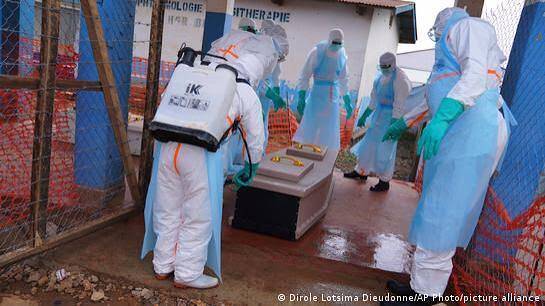
The Democratic Republic of the Congo (DRC) is grappling with the fastest-growing Ebola outbreak in history, with official data released on Thursday, July 30, 2026, showing that more than 1,500 people have now died from the virus in the eastern part of the country. The latest government update indicates that as of Tuesday, July 28, 3,442 cases had been recorded, with 1,521 confirmed deaths. The death toll represents a staggering 50 per cent increase in approximately one week, underscoring a crisis that continues to outpace containment efforts.
The outbreak, which was officially declared on May 15, 2026, is unlike most previous Ebola epidemics because it is caused by the Bundibugyo virus strain, for which there are currently no approved vaccines or treatments. This particular strain has proven exceptionally lethal, killing more people at a quicker rate than any previous Ebola outbreak, including the devastating 2014-2016 West Africa epidemic, which took about eight months to reach 1,000 deaths. In the current crisis, that grim milestone was reached in just over two months.
The epicentre of the outbreak remains the remote Ituri province in eastern DRC, which accounts for nearly 90 per cent of all cases. However, the virus has now spread to at least five provinces, including Kisangani, one of the country's largest cities, raising fears of further geographical expansion. UN officials have described the situation as dire. Julien Harneis, the UN senior Ebola coordinator, warned on Wednesday that the outbreak is growing exponentially, with cases doubling every 20 days, while the response continues to lag behind. Carl Skau, acting executive director of the UN World Food Programme, called it "the fastest-growing Ebola crisis ever," noting that 1,000 people died in the past two months—a toll that took eight months to reach in West Africa.
The response effort is severely hampered by a combination of factors. Contact tracing remains critically insufficient, with only about 78 per cent of known contacts monitored nationwide, well below the 95 per cent target health officials say is necessary to interrupt transmission. Armed conflict and population displacement in the region have made it extremely difficult to track thousands of individuals who may have come into contact with infected persons. Public concern has also grown as some communities in affected provinces have become unreachable or have been abandoned by responders following attacks by angry residents and rebels. On July 15, an attack on a hospital and treatment centre in Ituri’s Nyakunde health zone prompted international partners, including the World Health Organization (WHO), Africa CDC, Samaritan's Purse, and Mercy Corps, to temporarily withdraw their teams, severely disrupting surveillance, contact tracing, and supplies.
The crisis is compounded by a deepening humanitarian catastrophe. The long-running conflict in eastern DRC has driven nearly 10 million people into crisis or emergency levels of food insecurity, with Ituri province—the epicentre of the Ebola outbreak—among the hardest-hit areas. UN officials have issued urgent calls for a massive scaling up of the response, warning that the current funding levels are critically inadequate. The UN humanitarian response plan for the DRC requires $2.1 billion but is only 45 per cent funded, while the WFP requires $76 million specifically for the Ebola response over the next six months.
Neighbouring Uganda declared itself free of Ebola on Tuesday following the discharge of its last patient in mid-June. The WHO has assessed the global risk of spread as low, noting that Ebola is transmitted through direct contact with bodily fluids, not through the air. However, within the DRC, the risk remains "very high," according to the agency. As the death toll continues to climb and the outbreak shows no signs of slowing, health officials and UN agencies are making an urgent plea for the international community to step up before the crisis spirals further out of control.
📩 Stone Reporters News | 🌍 stonereportersnews.com
✉️ info@stonereportersnews.com | 📘 Facebook: Stone Reporters News | 🐦 X (Twitter): @StoneReportNew | 📸 Instagram: @stonereportersnews
Add comment
Comments