

Reported by: Oahimire Omone Precious | Edited by: Oravbiere Osayomore Promise.
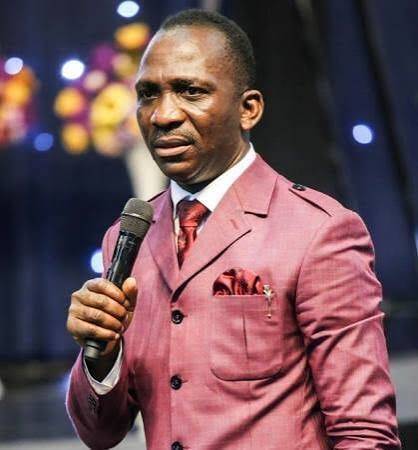
The Senior Pastor of the Dunamis International Gospel Centre, Dr. Paul Enenche, has ignited a fierce national debate after launching a blistering attack on the Afrobeats genre, describing the lyrics of many popular songs as "rubbish" and accusing artists of negatively influencing Nigerian youths through the glorification of substance abuse and immoral behaviour. Addressing his congregation during the church's Mid-Year Worship Concert at The Glory Dome in Abuja on Friday, July 31, 2026, the cleric did not mince words in his assessment of contemporary secular music. "Most of those Afrobeats are just saying rubbish. Smoking Indian hemp while they are singing and influencing the youths in negative ways," Enenche declared, urging young gospel artists to produce music that would provide a "positive replacement for such garbage".
Enenche's remarks were delivered during the church's Mid-Year Worship Concert, a programme designed to showcase energetic gospel music as a viable alternative to secular offerings. The cleric announced plans for a Youth Fire Night scheduled for September 25, 2026, calling on gospel ministers like Prinx Emmanuel to participate and help shape the values of young people through spiritually uplifting music. "It is better to have music that is saying something that youth is hearing than the garbage that worldly musicians sing," he said. He expressed hope that gospel music would evolve to become "word-loaded" enough to disciple young people, teaching them how to stay away from negative influences and make the right decisions.
The cleric's criticism extended beyond mere lyrical content to the broader moral implications of music consumption. "When a generation keeps feeding on vulgarity, profanity and reckless living through music, it should not surprise us that character and discipline begin to disappear," he warned. He stressed that music is powerful and that repeated exposure to explicit lyrics could influence the attitudes and behaviour of young listeners. "Nobody who promotes evil should expect to escape the consequences forever. There is always a day of accountability," he added.
Enenche's comments have since triggered intense debate across social media platforms, with Nigerians sharply divided over whether contemporary music is helping or harming the younger generation. Supporters of the cleric insist that many popular songs glorify profanity, materialism, promiscuity, and substance abuse, arguing that entertainers should be held accountable for the messages they promote. They contend that musicians, like religious leaders and teachers, play a significant role in shaping public values.
Critics, however, argue that Enenche unfairly generalised an entire genre that has become one of Africa's most successful cultural exports. They point out that Afrobeats is diverse and includes songs about love, struggle, social issues and cultural identity, adding that music often reflects realities already present in society rather than creating them. Some critics of Enenche's remarks also argue that religious leaders face growing scrutiny over issues such as materialism, alleged moral inconsistencies and their relationships with wealthy politicians and public officials. They contend that while pastors are often quick to condemn popular culture, many are less vocal about corruption and unethical conduct.
Supporters of the pastor reject that criticism, insisting that religious leaders have a duty to speak on moral issues regardless of imperfections within the church and that concerns about corruption and governance do not invalidate warnings about harmful cultural influences. The debate has also drawn attention to how youth culture is changing in the digital age. With streaming services, TikTok and other social media platforms driving music discovery, many young Nigerians consume music almost constantly through smartphones, making questions about lyrical content and influence more difficult to ignore. Education and child-development experts have long argued that music can influence attitudes, language and social behaviour, especially among adolescents, but they caution against reducing complex social problems to entertainment alone.
As the debate continues to unfold across social media and mainstream platforms, Enenche's comments have not only sparked a conversation about the role of music in shaping moral values but have also highlighted the growing tension between religious and secular worldviews in Nigeria's cultural landscape. What began as a church sermon has now become a nationwide conversation about the kind of society Nigerians want to build and the values they wish to pass on to the next generation. The cleric's call for gospel artists to step up and provide a positive alternative has been met with both enthusiasm and scepticism, but it has undoubtedly placed the spotlight on the power of music and the responsibility of those who create it.
📩 Stone Reporters News | 🌍 stonereportersnews.com
✉️ info@stonereportersnews.com | 📘 Facebook: Stone Reporters News | 🐦 X (Twitter): @StoneReportNew | 📸 Instagram: @stonereportersnews
Add comment
Comments