

Reported by: Ijeoma G | Edited by: Oravbiere Osayomore Promise.
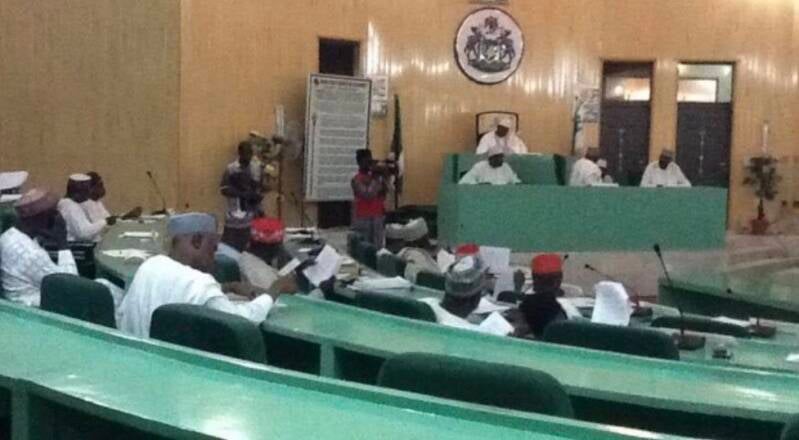
The Kano State House of Assembly has passed a landmark bill seeking to regulate tuition fees charged by private schools across the state, including a provision that limits any fee increase to a maximum of 10 per cent. The legislation, titled the Kano State Private and Voluntary Institutions Board (Amendment) Bill, 2026, was approved on Monday, August 3, 2026, after lawmakers completed its third reading and considered it during plenary, according to multiple reports published on August 3 and 4, 2026.
The bill, which is now awaiting the assent of Governor Abba Kabir Yusuf, introduces sweeping reforms designed to strengthen regulatory oversight of private and voluntary educational institutions and protect parents from arbitrary fee hikes. Speaking after the bill was passed, the House Majority Leader, Lawan Hussaini, said private primary and secondary schools must first discuss any proposed fee increase with their Parent-Teacher Associations (PTAs). He added that any approved increase “must not exceed 10 per cent” of the current tuition fees, a provision that effectively caps the amount schools can raise their charges without regulatory approval.
Beyond the cap on tuition increases, the amendment introduces several other significant changes. Hussaini further stated that private schools would no longer be allowed to charge students more than 10 per cent above the official registration fees fixed by external examination bodies, including the West African Examinations Council (WAEC), the National Examinations Council (NECO), and the National Business and Technical Examinations Board (NABTEB). This provision is aimed at curbing excessive charges for external examinations, which have often been a source of financial strain for parents. The legislation also makes it mandatory for all private schools in the state to comply with the government's approved academic calendar on resumption dates and holidays, ensuring greater uniformity across the education sector.
In a move designed to reduce the financial burden on parents, the amendment also slashes the statutory levy payable by private schools to the Kano State Private and Voluntary Institutions Board from 15 per cent to 5 per cent. Lawmakers said the reduction became necessary because the high taxes imposed on private school operators were often passed on to parents as higher school fees. By lowering the tax burden on schools, the government hopes to encourage more affordable fee structures while maintaining quality standards. The bill also prescribes new qualifications for the Executive Secretary of the Private and Voluntary Institutions Board, stipulating that the office can only be occupied by a retired or experienced educationist who attained at least Grade Level 14 in the public service, a move aimed at ensuring professional leadership of the regulatory body.
The passage of the bill followed extensive consultations with stakeholders during public hearings organised by the House Committee on Education, which engaged parents, school operators, and education experts before presenting its findings to the Assembly. Speaking after the passage of the bill, the Speaker of the House, Rt. Hon. Ismail Falgore, commended members for their contributions throughout the legislative process, describing the amendment as a significant step toward improving the administration of private and voluntary schools in Kano State. The bill, which was read by Bashir Diso, Clerk of the House, before lawmakers considered it at the committee of the whole, has been transmitted to Governor Abba Yusuf for assent. Once signed into law, the bill will bring much-needed regulation to a sector that has long been characterised by arbitrary fee increases and a lack of oversight, providing relief to thousands of parents across Kano State while ensuring that private schools operate within a clear and accountable regulatory framework.
📩 Stone Reporters News | 🌍 stonereportersnews.com
✉️ info@stonereportersnews.com | 📘 Facebook: Stone Reporters News | 🐦 X (Twitter): @StoneReportNew | 📸 Instagram: @stonereportersnews
Add comment
Comments